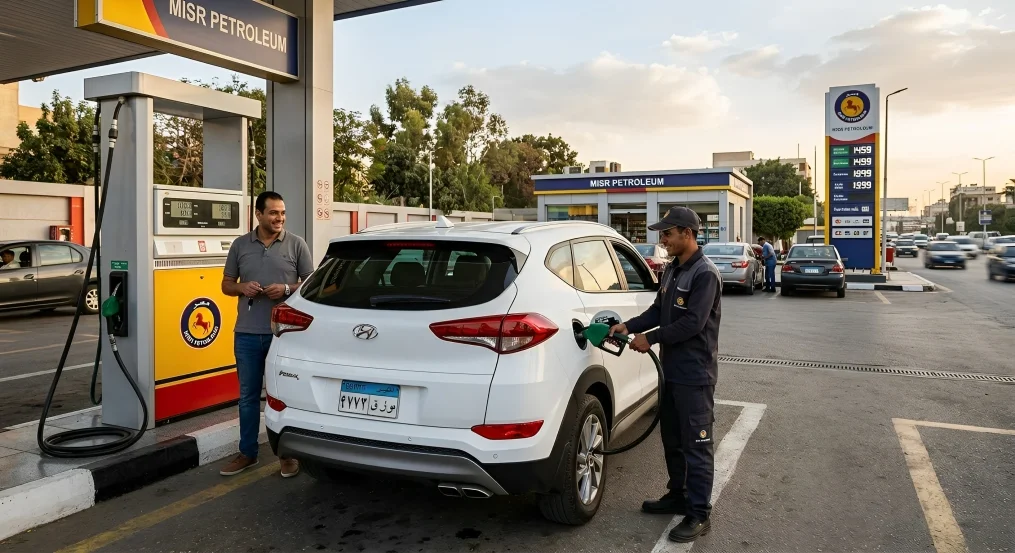
Egypt’s Automatic Fuel Pricing Committee decided to leave domestic petroleum product prices unchanged following a quarterly review covering July through September 2026. The decision shields local markets from rising global oil costs, keeping benchmark fuels like 92 and 95 octane at their current official rates.
Egypt’s Automatic Fuel Pricing Committee opted to keep petroleum product prices unchanged after evaluating market developments for the third quarter of 2026. The Egyptian Ministry of Petroleum and Mineral Resources stated that the committee reviewed currency exchange fluctuations and the cost of Brent crude oil compared to the previous quarter before making its determination. The pricing body resumed its operations following a decision by the cabinet to review price determination factors. Egypt first adopted the automatic fuel pricing mechanism in July 2019 to provide state institutions with the flexibility needed to deliver optimal services to citizens.
The evaluation accounts for international oil markets, the exchange rate of the Egyptian pound against foreign currencies, and handling expenses associated with fuel acquisition and distribution. Petroleum experts note that the formula looks at the combined weight of these elements rather than reacting automatically to a single index.
Official Fuel Prices Across Egyptian Service Stations
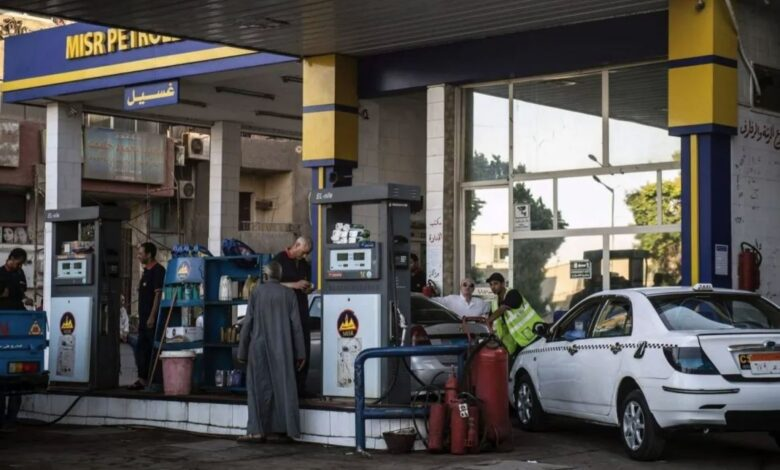
Following the stability decision, official rates at fueling stations remain steady across standard octane categories and commercial fuels. The pricing structure provides predictability for vehicle owners, transport fleets, and commercial distributors.
- 95 Octane Gasoline: 24.00 Egyptian pounds per liter
- 92 Octane Gasoline: 22.25 Egyptian pounds per liter
- 80 Octane Gasoline: 20.75 Egyptian pounds per liter
- Solar (Diesel): 20.50 Egyptian pounds per liter
- Kerosene: 20.50 Egyptian pounds per liter
- Automotive Natural Gas: 13.00 Egyptian pounds per cubic meter
- Household Butane Cylinder (12.5 kg): 275.00 Egyptian pounds
- Commercial Butane Cylinder (25 kg): 550.00 Egyptian pounds
Relief for Supply Chains and Consumer Prices
Analysts and trade representatives emphasize that keeping diesel and gasoline prices steady prevents secondary cost surges across food supplies and retail markets.
Egypt’s Ministry of Petroleum and Mineral Resources announced that the Automatic Pricing Committee for Petroleum Products has decided to maintain current fuel prices unchanged#البنزين #Egypt #Business #Economy | #مصر #الاقتصاد #تحيا_مصر pic.twitter.com/m14YEjsDZf
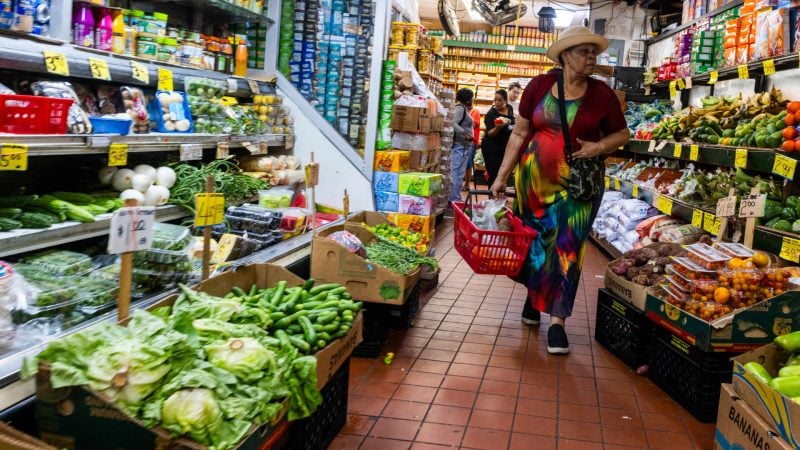
Food and agricultural trade representatives noted that stable fuel costs provide a positive baseline for seasonal crop distribution. Vegetable and fruit merchants observed that predictable logistics expenses help keep produce items accessible for household shoppers as markets transition into winter distribution schedules.
Citizens across urban districts expressed relief regarding the pricing outcome.
State Budget Pressures and Global Crude Benchmarks
While domestic pump prices remain frozen, the broader fiscal picture involves a delicate balance between public spending and international energy costs. Financial analysts point out that state budget allocations for petroleum subsidies in the 2026–2027 fiscal plan dropped significantly compared to the previous year, shifting heavier reliance onto Treasury allocations when import costs outpace domestic revenues.
Global crude benchmarks have traded at elevated levels, with Brent crude registering around 104.53 dollars per barrel during the committee’s review window. Official data published by the Ministry of Petroleum on Thursday, October 15, 2026, also noted West Texas Intermediate at 94.24 dollars and OPEC crude at 112.30 dollars per barrel.