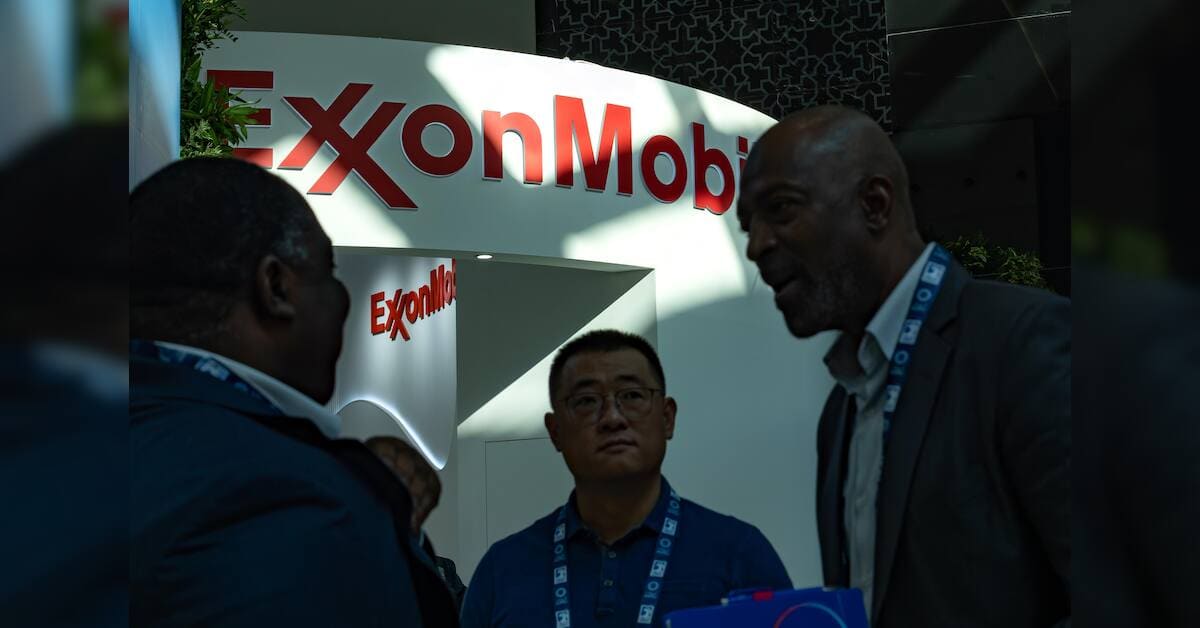
ExxonMobil has formalised negotiations with Venezuela about operating one or more oil fields, signing a memorandum of understanding with the state-owned Petróleos de Venezuela SA for potential upstream opportunities,
according to Business Standard.
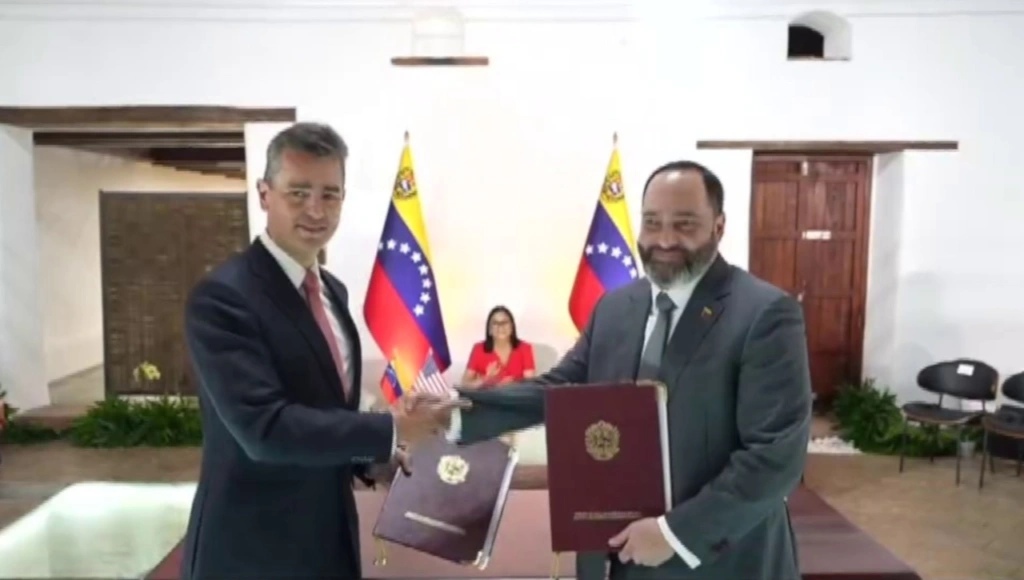
The agreement was signed on Monday, with acting President Delcy Rodríguez leading the ceremony. Andrés Acosta, ExxonMobil’s chief executive for Venezuela, signed the document alongside Héctor Obregón, president of Petróleos de Venezuela SA, as reported by teleSUR English.
Acting President Rodríguez explained that the arrangement covers brownfields currently in production along with greenfields to be developed. She pointed out that these sites contain reserves of billions of barrels of oil intended to strengthen the hydrocarbons sector, boost economic growth, and generate revenue to improve the people's quality of life under a framework of legal security and very good conditions.
What does ExxonMobil’s return to Venezuela mean? As Venezuela’s acting president, Delcy Rodríguez, pointed out, the signed agreement covers fields with potential reserves of billions of barrels, ensuring legal certainty for investments and aiming to ensure that the benefits of… pic.twitter.com/qSro7zHNLP
Minister of Hydrocarbons Paula Henao described the agreement as a highly important and significant event
for both Venezuela and the U.S., while noting the pact is intended to drive successful long-term oil development.
This memorandum is a meaningful first step, but any future investment would require stable policies, clear regulations, strong investment protections and competitive returns,
ExxonMobil
Chief Executive Officer Darren Woods previously called Venezuela uninvestable
given its condition at the time, making the remark to U.S. President Donald Trump at a White House meeting in January shortly after the U.S. military captured Nicolás Maduro.
Woods told President Trump at the time that re-entering the country a third time would require substantial changes. The Texas oil giant previously quit the country in the early 2000s after then-Hugo Chavez nationalised its assets following a prior seizure in the 1970s.
The Spring, Texas-based company stated that the memorandum of understanding is typically non-binding. The agreement advances the Trump administration's effort to revive Venezuela’s oil sector, which holds 300 billion barrels of oil reserves, the largest in the world according to OPEC.
Woods more recently noted that ExxonMobil’s expertise in Canadian heavy crude could provide a competitive advantage in Venezuela, where oil has a similar viscosity. The move follows Chevron Corp. agreeing to invest $7 billion to boost production in the South American country earlier this year alongside several smaller companies winning drilling rights.
While Chevron’s assets became mired in U.S. sanctions for years, that competitor is now in pole position to benefit from Venezuela’s rebound, stoking competitive pressures as Woods remains cautious regarding the company’s past nationalisations.
Dan Ammann, president of ExxonMobil, said the project seeks to unite technology and resources to drive development and benefit all of society.