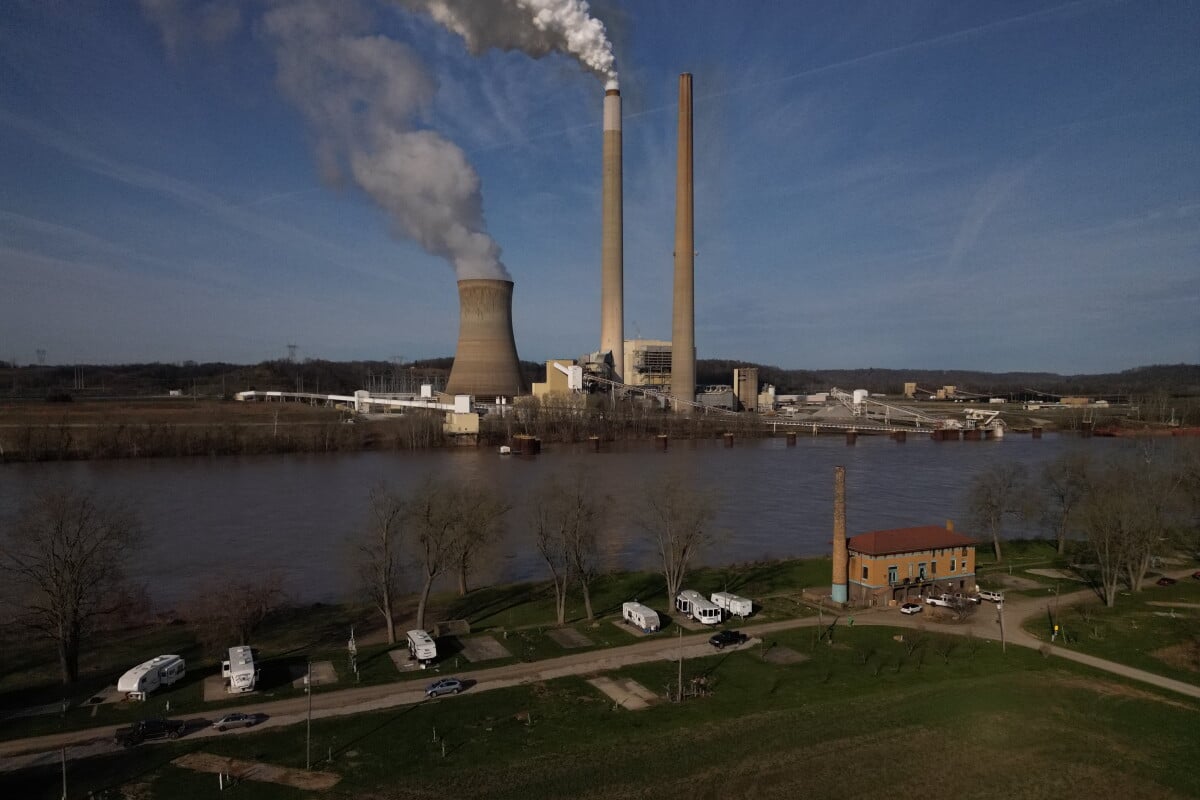
Global carbon dioxide emissions from fossil fuels are projected to decrease by 0.4 per cent in 2026 compared to the previous year, driven by renewable energy expansion and supply disruptions stemming from the conflict involving Iran.
Fossil Fuel Emissions Reach 38.2 Billion Metric Tons
According to the annual Global Carbon Budget report, total emissions from burning fossil fuels are estimated at 38.2 billion metric tons for the year. This marks the third time global carbon pollution has dropped in the 21st century, following the global recession and the 2020 COVID-19 pandemic, according to AP News.
The research, which notes that the 2026 edition is the 21st annual report, is scheduled for publication as a preprint in Earth System Science Data with a peer-reviewed version to follow.
The slight downward adjustment stems primarily from a drop in oil emissions tied directly to prolonged shipping disruptions in the Strait of Hormuz, where the Iran war effectively closed a vital shipping artery for petroleum products and pushed up global prices of gasoline and oil.
Natural gas emissions fell by 0.3 per cent, while coal emissions rose by 0.6 per cent. Coal accounts for around 41 per cent of global fossil CO2 emissions in 2026, oil accounts for 33 per cent, gas accounts for 21 per cent, and cement accounts for roughly 2 per cent after subtracting the carbonation sink.
| Fuel Type | Projected Change in 2026 |
|---|---|
| Oil | -1.9% |
| Natural Gas | -0.3% |
| Coal | +0.6% |
Expert Warnings on Geopolitical Shocks Versus Structural Change
Scientists emphasize that the temporary dip should not be mistaken for a permanent peak driven purely by climate action. Niklas Höhne, co-founder of Germany’s NewClimate Institute, stated that permanent shifts are happening especially with skyrocketing switches to electric cars and trucks, particularly in Asia, leading him to believe the global peak of carbon emissions is near or here.
Joeri Rogelj, a climate scientist, noted that while the growth of emissions slowing and decarbonisation efforts starting to make a difference is an encouraging sign, the projected decline is very small at 0.4 per cent. Rogelj observed that the exceptional circumstances experienced by energy markets show the decline is no reason to declare emissions are now reducing.
“A decline in fossil CO2 emissions is encouraging, but a reduction driven partly by geopolitical shocks is not a sustainable climate solution,” said Pierre Friedlingstein, lead researcher and director of the Global Carbon Budget Office at the University of Exeter.
Glen Peters noted that the abrupt drop in oil emissions contrasted sharply with the gradual curve expected from steady clean-energy adoption.
Emissions Trends Across Major Economies
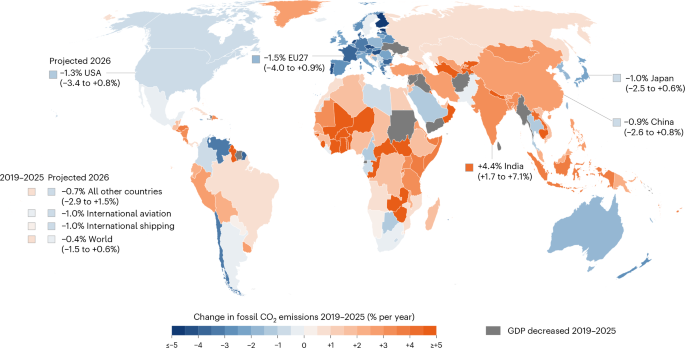
Regional data reveals varied trajectories among the world’s largest emitters. China, which produces 32 per cent of global emissions, is projected to reduce its carbon output by 0.9 per cent due to a decline in oil emissions and strong growth in renewable electricity generation, while also remaining active in deploying clean technologies and increasing carbon sinks.
United States emissions are expected to fall by 1.3 per cent, European Union emissions are set to drop by 1.5 per cent, and the rest of the world is projected to fall by 0.7 per cent mainly due to higher oil prices and supply constraints. Conversely, India’s emissions are expected to increase by 4.4 per cent.
Land-Use Changes Accelerate Carbon Accumulation
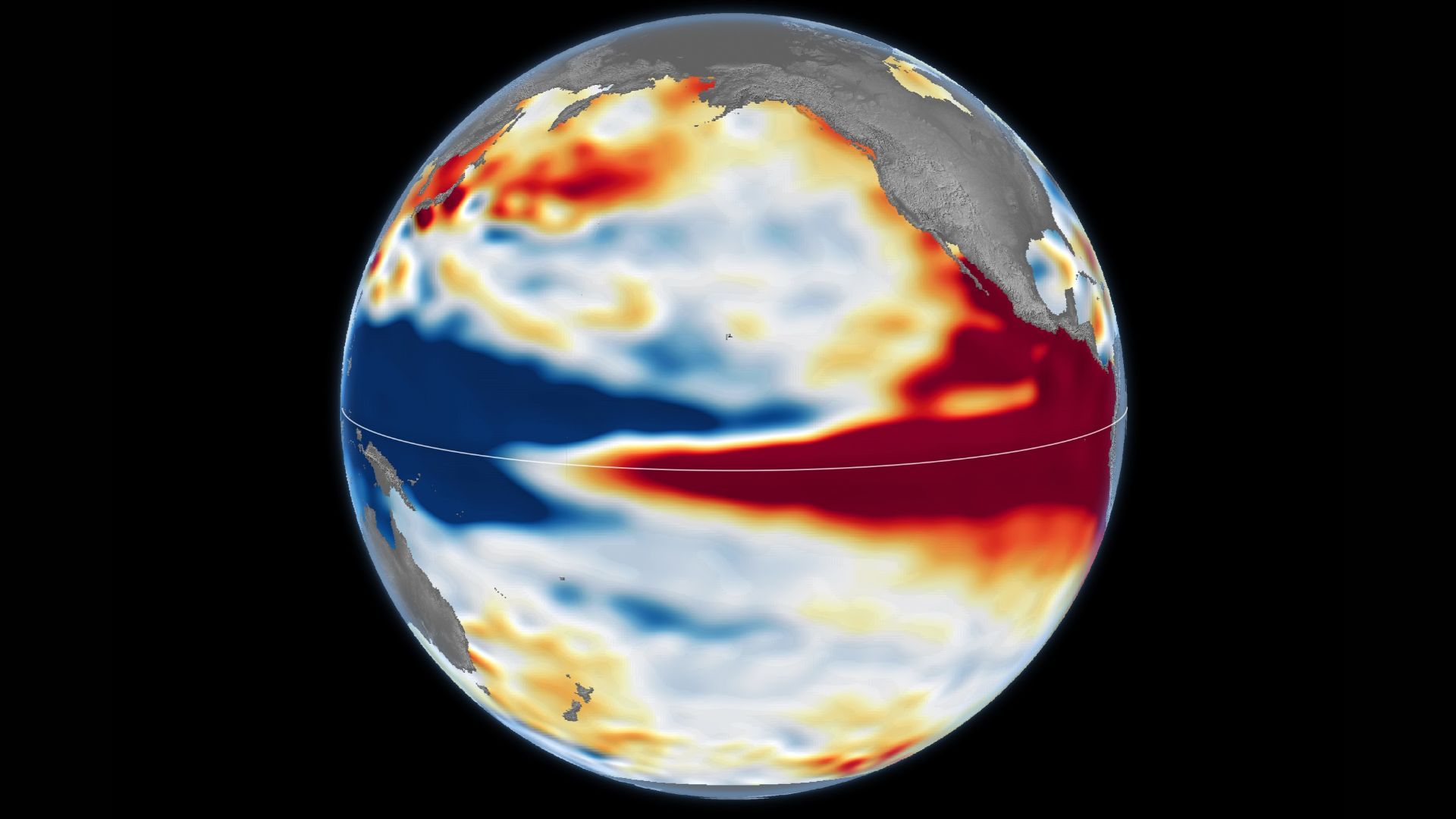
This overall increase is attributed to land-use changes, including deforestation and human-caused peat fires driven by El Niño-linked conditions and forest degradation in South-East Asia, which advanced faster than fossil fuel reductions.
At the current pace, the remaining carbon budget that can be released before warming hits 1.5 degrees Celsius above pre-industrial levels stands at 150 billion tonnes and will be exhausted in four years, whereas electric vehicles successfully prevented an estimated 0.24 GtCO2 of emissions in 2026.
“The point the report is trying to make is that we need to change these policies and be a little more aggressive in the way we look at the transition to net zero,” said CSIRO chief research scientist and Global Carbon Project executive director Pep Canadell.
During the last decade, total emissions originating from both land-use shifts and fossil fuels climbed at an average yearly rate of 0.3 per cent, representing a substantial decrease from the 1.7 per cent annual rise recorded in the preceding ten years.