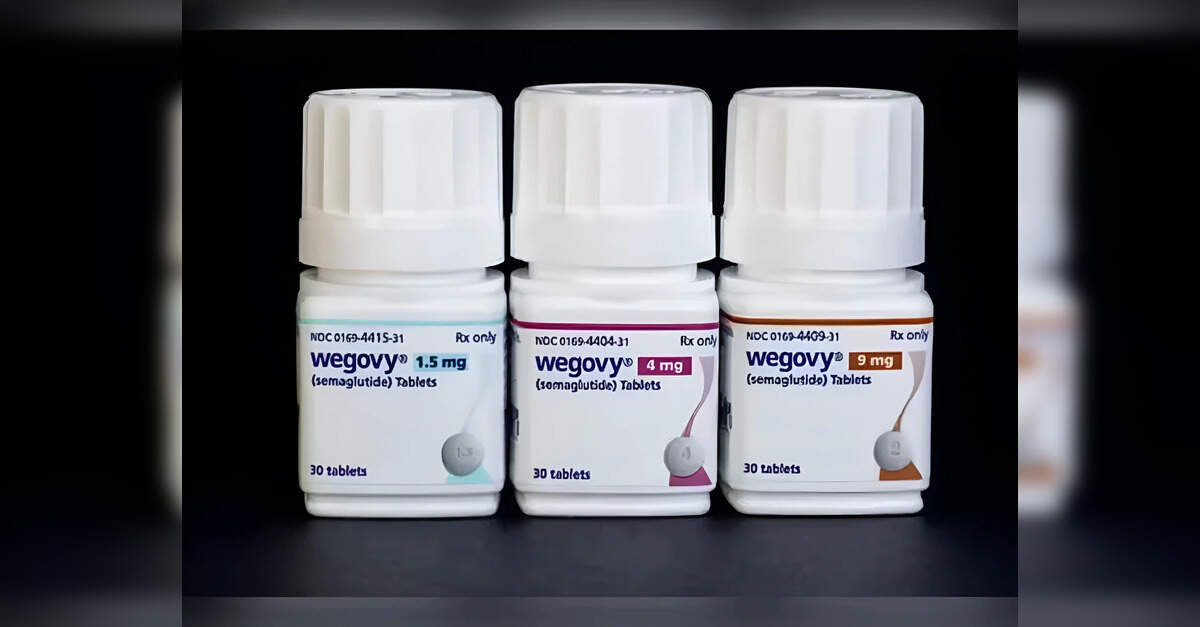
Novo Nordisk presented new clinical trial data at the ObesityWeek 2026 conference on Monday, showing that its weight-loss drug Wegovy significantly reduced body mass index in children ages 6 to 11.
The study, which tracked 167 children over 68 weeks, found that those who remained on the weekly semaglutide injection experienced an estimated 17.4% decrease in body mass index compared to a 2.2% increase in the placebo group. When accounting for all participants, including those who discontinued the treatment, the average difference versus the placebo was 16.2 percentage points.
The trial enrolled children with moderate or severe obesity, with 85% of participants meeting those thresholds at the start. Novo Nordisk reported that after 68 weeks, nearly 40% of the children who stayed on the treatment were no longer classified as having obesity, while none of the children in the placebo group reached that outcome.
Dr. Andrea Traina, Novo’s medical director lead of obesity, emphasized the severity of the condition in this age group. “We are driving towards control of this chronic disease in that patient population when they are still so young and at such high risk for more advanced and accelerated disease progression because they developed it so early,” Traina said.
While the drug is already approved for patients 12 and older, there are currently no medications cleared for children under 12. Novo Nordisk stated it intends to ask the U.S. Food and Drug Administration to expand the drug’s approval to include this younger population.

The study, which also involved researchers from the Schneider Children’s Medical Center, Shamir Medical Center, and Rambam Health Care Campus, reported that the drug’s safety and tolerability profile in children was consistent with those seen in trials with adults. The company observed no adverse effects on participants’ growth or development during the study.
Despite these results, some experts remain cautious about the long-term impact of using GLP-1 medications during critical growth years. “The question is: Is this the right thing to do?” said Dr. Robert Lustig, a professor of pediatrics at the University of California, San Francisco. “Not, does it work? Of course it works. But is it the right thing?”
Traina acknowledged that the two-year study does not yet reveal how early intervention might affect a patient’s long-term health trajectory or the requirements for maintenance care as these children reach adulthood, noting that “that is something that is still an evidence gap.”

Beyond the pediatric trial, the company presented real-world data from the SIGNAL and OCTANE studies concerning “food noise,” defined as persistent, intrusive and unwanted thoughts about food. Adults using semaglutide injections reported statistically significant reductions in these thoughts within the first month of treatment.
In the OCTANE study, oral semaglutide was associated with an approximate 25% reduction in average food noise scores over three months.
Real-world data presented at the conference showed that patients who remained on the oral version of the drug for three months lost an average of 6.2% of their body weight. These findings follow a broader market trend where the anti-obesity drug market is projected to grow significantly by 2035.