Researchers at the University of Bath have found no evidence that essential genes mutate less frequently than other parts of DNA, delivering a significant blow to a long-running and contentious hypothesis in evolutionary biology.
The new study, published in PLOS Biology, challenges the idea that natural selection actively shields vital genetic sequences from random mutations, supporting instead the traditional view of evolution where spontaneous mutations arise independently of a gene’s importance.
Putting a Decades-Old Idea to the Test
Classically, evolution is understood as a two-step process in which random mutations generate genetic variation, and forces like natural selection subsequently act on that variation. However, an alternative hypothesis first proposed in 1972 by biologist Edward Cox suggested that some gene sequences might be protected from mutation based on how essential they are to an organism.
This adaptive model has resurfaced periodically, most recently in 2022 when a research team reported fewer mutations in important regions of the genome in the thale cress plant, “Arabidopsis thaliana”.
That 2022 study quickly ran into pushback. In 2023, a team of scientists including University of Bath Professor Laurence D. Hurst re-analyzed the data and pointed to DNA sequencing errors. While the original authors acknowledged some errors, they maintained their conclusions, leaving the debate open. To settle the question definitively, Hurst and co-author Sofia Radrizzani conducted what they described as the largest and cleanest sample of mutations assembled to date.
Researchers Map Spontaneous Mutations in E. Coli and Yeast
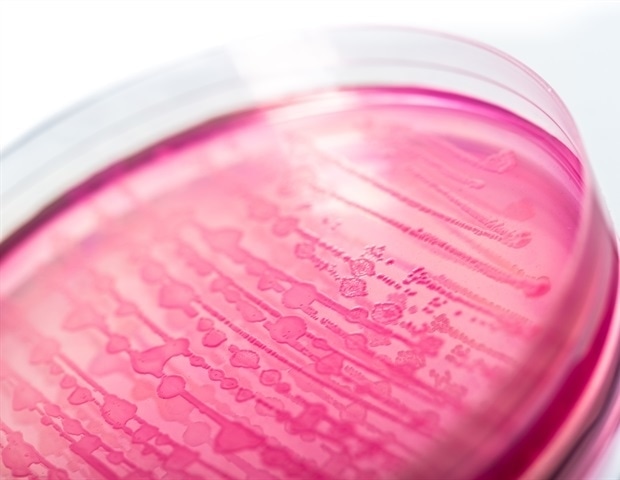
The researchers examined spontaneous mutations in two microorganisms: the bacterium “Escherichia coli” (“E. coli”) and the single-celled baker’s yeast fungus, “Saccharomyces cerevisiae”. These organisms were bred for many generations under conditions designed to minimize external pressures, allowing mutations to accumulate naturally. In total, the team mapped the locations of about 3,600 mutations in “E. coli” and 4,600 mutations in yeast.
When comparing mutation rates against how essential each gene was to microbial survival—including protein abundance and viability—the researchers found no protective effect. “Analyze the data any which way and we found nothing,” Hurst said. “In neither species did these key genes have a lower mutation rate,”.
Reflecting on the study, Dr. Radrizzani stated, “The claim that mutation is slower for important genes is a triumph of hype over substance. It’s a really old suggestion and is reinvented in various forms routinely,”. Radrizzani co-wrote the paper as part of her PhD work at the University’s Centre for Evolution.
Hurst also addressed why previous observations might have pointed toward lower mutation rates in vital genes, noting the problem of “ghost mutations”. Because mutations in essential genes are far more likely to cause severe harm or death, organisms carrying them often fail to survive.
“This can create the illusion that important genes have fewer mutations when, in reality, some mutations have simply disappeared before we have a chance to analyze them,” Hurst explained.
While genic importance did not predict mutation frequency, the researchers did observe that structural features played a role. For instance, in yeast cells, genes that were copied later during DNA replication exhibited higher mutation rates. Ultimately, the authors concluded that existing variations provide no basis to alter our fundamental understanding of evolutionary theory.