Millions of British households face a 26% jump in energy bills starting in January 2027, as international gas prices continue to surge following the conflict in the Middle East.
Price Cap Increases and Household Costs
The energy regulator Ofgem has confirmed that the price cap for domestic customers will rise for the period of 1 January to 31 March 2027. For a typical household in England, Scotland, and Wales paying by direct debit, the annualised cost is set to climb from £1,723 to £2,166. This adjustment represents an estimated £443 increase in the typical annualised figure. Ofgem reports that approximately £404 of this hike is directly attributable to the rising wholesale costs of natural gas.
While the cap limits unit rates and standing charges, the total bill remains dependent on actual energy consumption, with some households likely to see monthly costs rise by roughly £60 during the winter months. Ofgem notes that other costs, such as electricity grid upgrades, were not factors in this specific increase. The cap, which is adjusted four times annually, affects roughly 20 million households on standard variable tariffs.
IEA Warning on Winter Supply
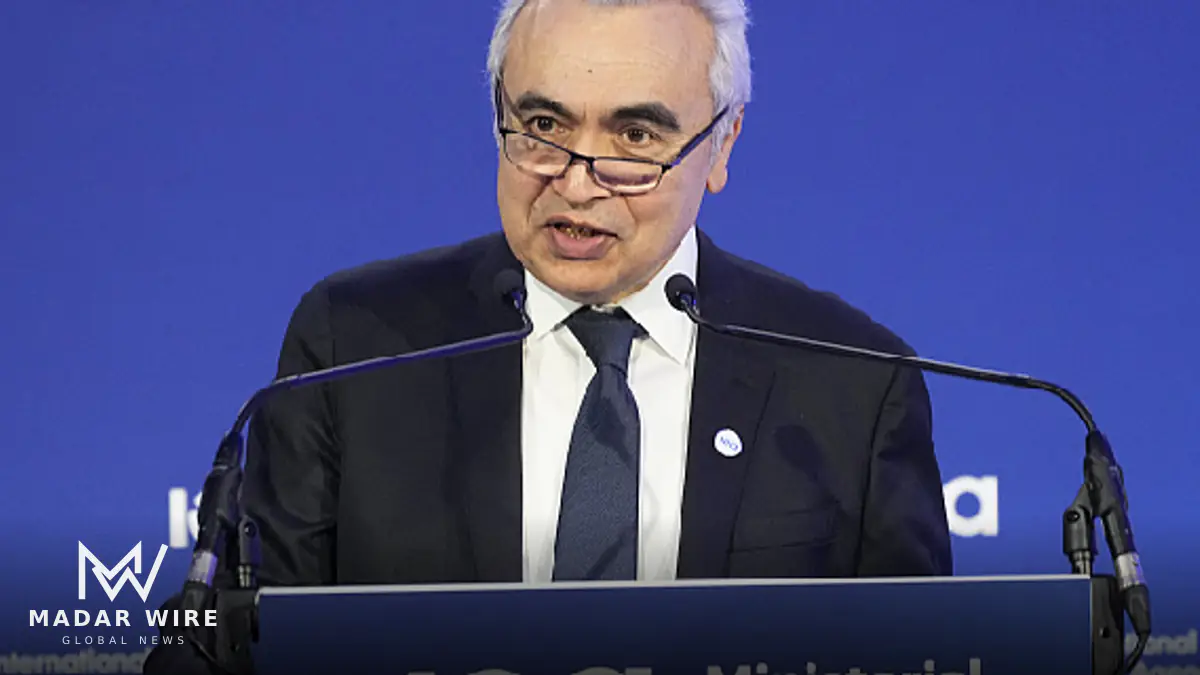
Dr. Fatih Birol, executive director of the International Energy Agency, has cautioned that the global energy system faces unprecedented security threats. He warned that if Europe experiences a particularly cold season, the resulting competition for gas could drive market prices even higher than current levels. He described the situation as the largest energy security threat in history.
If we have a harsh winter in Europe, we may have difficulties. I don’t think that we will have shortages, but we may see even higher prices than we have now.
Fatih Birol, executive director of the International Energy Agency
Birol said that the energy landscape has been “impossible” to reconcile with pre-war conditions. He stated, “The vase is broken. Once it is broken, you cannot bring it back together.” He identified the ongoing disruption of supplies through the Strait of Hormuz as a critical variable, stating that market stability depends on whether the route can be reopened in a way that restores confidence among international traders.
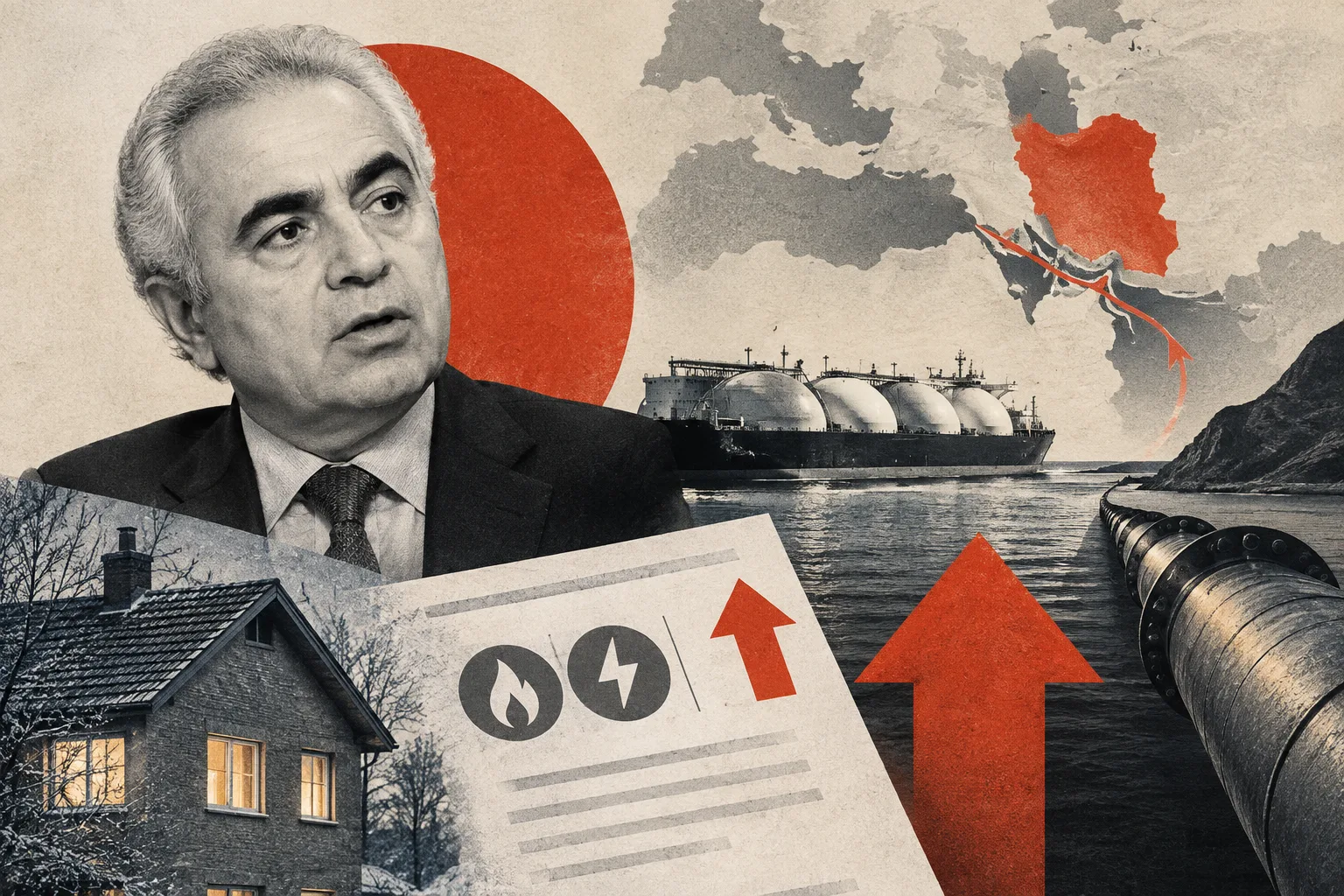
Data from the maritime intelligence firm Kpler indicates that the volume of liquefied natural gas tankers exiting the Strait of Hormuz remains well below levels seen before the conflict.
“In my view, most importantly, I don't see any credible pathway for the energy system, global energy system goes back where it was before the war,” Dr. Fatih Birol, executive director of the International Energy Agency, said.
Market Volatility and Future Outlook
Wholesale gas prices have more than doubled since late 2025. According to reports, prices surged after US-Israeli strikes on Iran began on 28 February. The IEA maintains a cautious outlook, noting that while some participants expect stabilization, the unpredictability of geopolitical developments poses a persistent risk.
The April price cap will be determined by gas market performance over the next three months, though domestic bills typically decrease in the spring as seasonal demand for heating subsides.
Government Support Measures
To mitigate the immediate financial pressure, the British government has announced a £100 Household Energy Payment. This support is slated to reach up to 20 million households in England in council tax bands A to D, with payments scheduled to begin on 4 January 2027.
Ofgem, the government regulator for electricity and downstream natural gas markets in Great Britain, operates under the Gas and Electricity Markets Authority to protect consumer interests. By establishing independent regulatory oversight, the organization ensures that energy markets remain competitive, even as it manages the price cap mechanism.
This cap is designed to limit the unit rates and standing charges that suppliers can impose on domestic customers, effectively acting as a safeguard against the abuse of market power.
The regulator adjusts the price cap four times a year to reflect fluctuating wholesale energy costs, a process that allows domestic prices to track market reality while shielding consumers from excessive volatility.
Despite these measures, analysts and charities remain concerned about rising energy debt. While roughly 10 million households on fixed-rate tariffs are shielded from this specific price cap increase for the duration of their current deals, those on standard variable tariffs remain fully exposed to wholesale market volatility.