Surging fuel prices and global trade policies have pushed U.S. inflation to 3.7% annually in September 2026, creating severe economic pressures in rural areas just weeks before the midterm congressional elections and complicating the Federal Reserve’s monetary policy path.
Rural America Bears the Heaviest Burden of Rising Fuel Costs
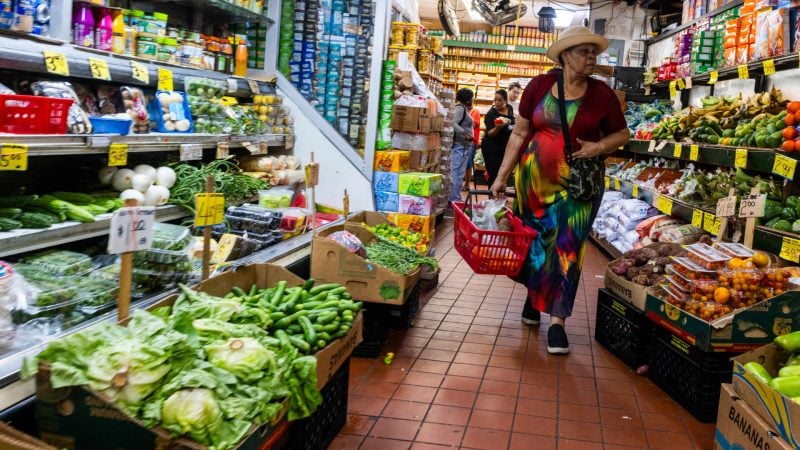
President Donald Trump’s trade tariffs and the ongoing conflict involving Iran have altered the geography of American inflation. While price increases historically hit major metropolitan areas hardest, rural communities have emerged as the epicenter of this price surge. According to data analyzed by consumer price data across regions, consumer prices in rural America climbed over the twelve months leading to September, outpacing the increase recorded in urban centers.
The disparity stems heavily from the disproportionate weight of vehicle fuels in non-urban household budgets. Rural families also rely more heavily on home heating fuels like propane and kerosene, which surged 44% to service homes located outside traditional utility grids across parts of the Midwest, the Plains, and Appalachia.
Federal Reserve Faces Tough Decisions as Supply Shocks Broaden
The core inflation measure, which strips out volatile food and energy items, ticked up to 2.6% annually. Energy costs jumped 5.2% for the month alone, driven by a 9.1% spike in gasoline prices that accounted for roughly half of the headline increase.
Wholesale costs followed a similar upward trajectory. The producer price index climbed sharply, reflecting how energy transport shocks cascade through manufacturing and shipping inputs before reaching retail shelves. The shock to transport prices affects every commodity in the economy; manufacturing inputs are transported to factories, and goods at all stages of production move from the producer to the wholesaler and then to the retailer via trucks or trains, and so on, thus energy price increases seep through to reach basic commodity prices, wrote Karl Weinberg, chief economist at High Frequency Economics, as noted in market commentary.
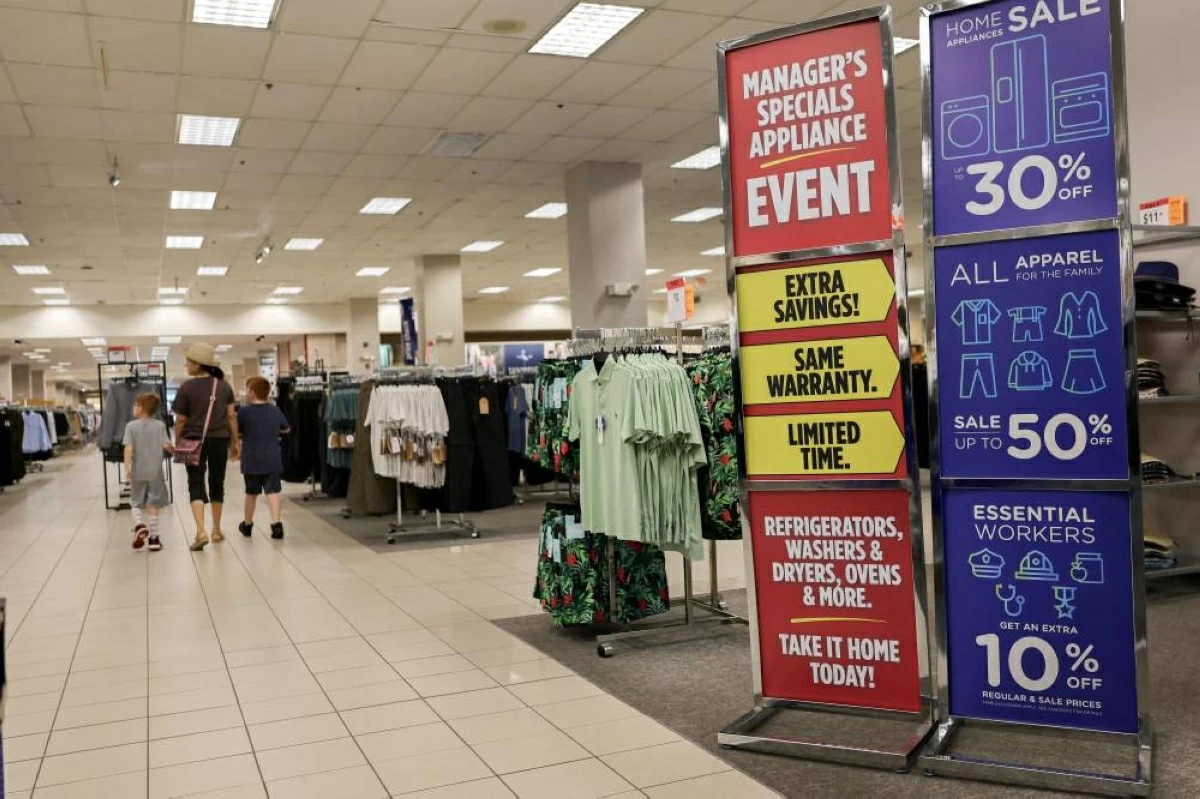
Import prices also saw their largest annual jump in over four years, rising 8.1% in the twelve months through September, fueled by a 34.5% surge in imported fuel costs, according to the Bureau of Labor Statistics. Treasury and trade data further revealed that import prices from China posted their largest monthly increase since December 2021.
Consumer Sentiment Slumps as Political Pressure Mounts Before Midterms
With the midterm congressional elections scheduled for November 3, the persistent cost-of-living squeeze has altered political calculations. Polling indicates deep public dissatisfaction with economic management. Separate polling from AP-NORC found that only 17% of adults approve of how the administration is managing the cost of living.
Americans face an inflation threat literally on every front, and everywhere they turn, they have to reach into their pockets and pay a little more for the same goods that were cheaper just a few months ago.

Despite this widespread pessimism, consumer spending has proven surprisingly resilient. Retail sales rose in September, bolstered by a 6.4% jump in service station outlays and steady restaurant spending. Economists attribute this continued spending to a strong labor market where initial jobless claims remain low.
Inflation Reports Reshape Federal Reserve Policy Expectations
The hotter-than-expected inflation reports have reshaped expectations for the Federal Reserve’s upcoming policy meeting on October 27 and 28.
Federal Reserve officials, including Chair Kevin Warsh, have emphasized that inflation is not cooling fast enough toward the central bank’s 2% target. Regional economic reports from the Fed’s Beige Book survey indicate that half of the central bank’s 12 districts experienced strong or growing price pressures through early October, driven by fuel surcharges, rising insurance costs, and import tariffs filtering through supply chains.