The S&P 500 fell 2.00% to 7,032 at 11:30 a.m. ET on Friday dipping into correction territory as the benchmark traded 10.06% below its one-year high of 7,818.93.
That drop dragged the index below the 7,037.04 threshold that marks a 10% decline from its October 6 peak. The Dow Jones Industrial Average joined the slide, trading down near 48,848 during the session, while the Nasdaq Composite shed 3.34% to hit 23,082.
S&P 500 Breaks 200-Day Average After 155 Sessions
The market retreat deepened a week of technical damage across Wall Street. Earlier in the week, the S&P 500 closed below its 200-day moving average at 7,341, breaking a run of 155 straight sessions above that gauge.
S&P 500 is 3.3 standard deviations away from the 50-day MA. March 2026 and Liberation Day (April 2025) were the last two times that happened. A normal distribution says 3 standard deviations should happen once every three years. Markets aren't normal though 😉 pic.twitter.com/KoWTY2sBWz
The benchmark decline formed part of a six-session losing streak that left the index roughly 8.5% under its 52-week high, pushing near the conventional 10% correction threshold. Strategists including Chris Senyek at Wolfe Research said that stocks were biased toward downside movement in the near term until technical indicators washed out.
Jonathan Krinsky, chief market technician at BTIG, observed that the S&P 500 was nearing a tactical bottom around the 7,000 level even though market breadth suggested the final low had not yet been reached.
The S&P 500's forward 12-Month P/E ratio has moved down to 17, its lowest level in over 3 years. So why are we seeing panic selling today? As @cullenroche once said: "The stock market is the only market where things go on sale and all the customers run out of the store." pic.twitter.com/Qe0aLWfNKI
BTIG also tracked downside scenarios with extended bearish levels near 6,900 and first downside references at 7,100, alongside November 19 closes at 7,175.83 and initial recovery references at 7,348. On the New York Stock Exchange, positive volume dropped to just 17.9% on a 1.45% loss in the NYSE Composite, its lowest reading since November 5.
Meanwhile, the Nasdaq Composite fell 0.74% to 24,328, its lowest close since November 5, touching an intraday low of 23,989, while the Nasdaq-100 fell 0.72% to 27,002. Forward 12-month P/E ratios for the index stood at 18.7, compared with a five-year average of 19.8 and a ten-year average of 19.1.
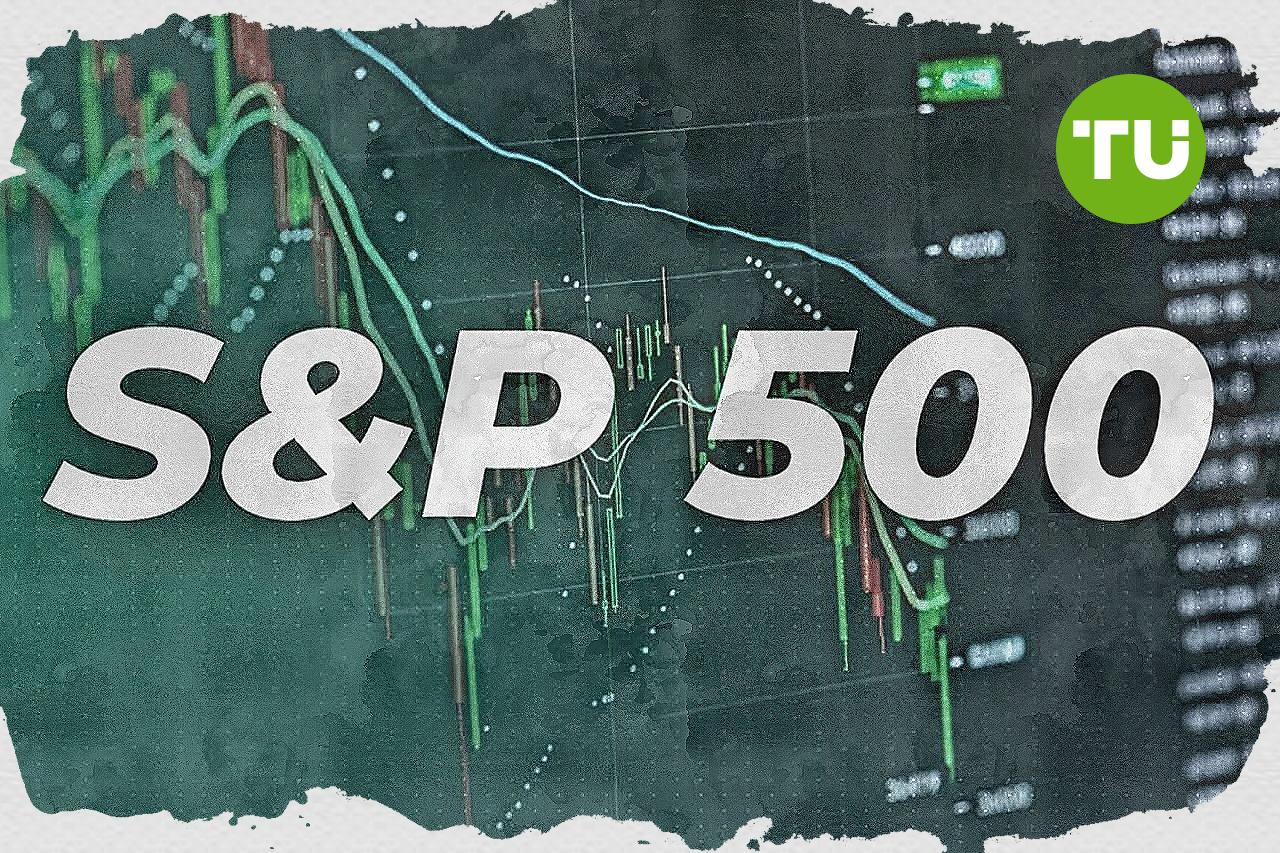
The S&P 500 futures contract (US500) extended its selloff after falling below the 7,300 support level, marking the fifth correction of this magnitude since the market emerged from the 2022 bear market. Across asset classes, the Dow Jones Industrial Average fell 1.17% to 50,167 as weakness in healthcare and software stocks dragged the index toward the 50,000 level, while gold tumbled 3.10% to $3,744.30.
Consumer Retail Gains Offset Technology and Energy Declines
While technology and energy shares retreated—with ExxonMobil and Chevron both falling 4% as Brent crude settled down—consumer retail stocks provided a counterweight. Target climbed 4% following a profit report that featured its strongest quarterly sales gain in particular markets, while The TJX Companies surged 10.40% on raised full-year guidance.
The S&P 500 is now down 8.6% from its all-time high in October. As @morganhousel often says… "This is the worst market decline since the last one you don’t remember or care about anymore." pic.twitter.com/rq2FSjwrur
BTIG, a global financial services firm specializing in institutional trading, investment banking, and research, was acquired by U.S. Bancorp in 2026, combining its client-first approach with the scale of the nation’s fifth largest commercial bank. The firm operates from 19 cities across the U.S., Europe, Asia, and Australia with more than 750 employees worldwide and is recognized as a top 10 global broker by high-touch equity volume executed.
Earlier coverage: Investors Pull Money From AI Stocks, Nasdaq Slides 3%
Only 38 stocks in the S&P 500 higher today, the lowest since 15 on the the last day of 2025. pic.twitter.com/Muwj4zmyR7