The Trade Desk (NASDAQ:TTD) enters the current period carrying an unusual burden for a firm long characterized as a model of consistent expansion.
On November 9, 2026, the company reported third-quarter revenue of $736 million, a 0.5% decrease from the $739 million recorded a year prior. This represents the company’s first year-over-year revenue decline since its 2016 initial public offering.
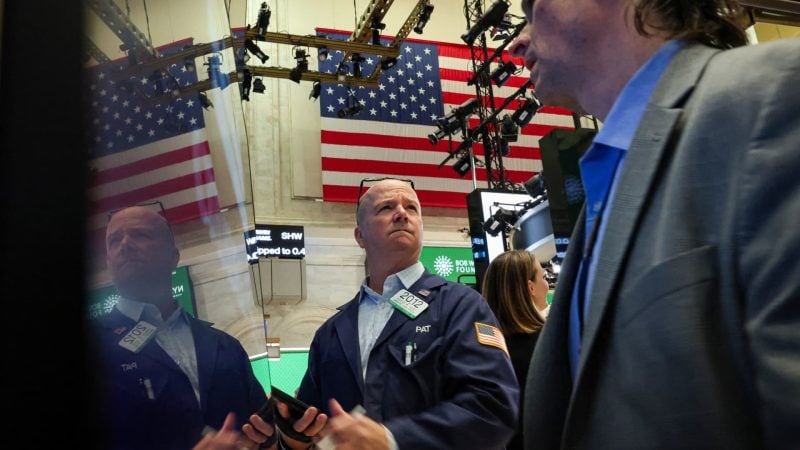
The market reaction was swift; shares of The Trade Desk surged as much as 16.6% on Monday, with the stock maintaining a 15.47% gain by the close of the session, according to Yahoo Finance. As the earnings call took place, the focus shifted toward the company’s strategic pivots and internal restructuring.
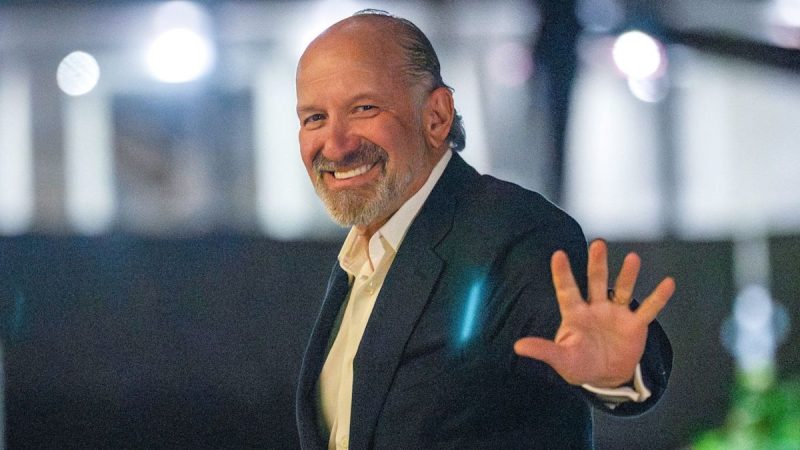
The company’s net income fell from $116 million in the prior-year period to $38 million, a larger decline than its revenue figures. This figure includes $44 million in restructuring charges, primarily associated with severance costs. Following a second-quarter miss, the company implemented a 15% workforce reduction, with CEO Jeff Green telling staff the organization would operate in smaller pods and smaller scrums, but with greater focus.
Adjusted EBITDA for the third quarter reached $266 million, representing a 36% margin, a decline from the 43% margin reported in the same quarter of 2025. Adjusted earnings per share of $0.33 beat consensus estimates, but the company's overall financial situation is complex. The company faces many advertising competitors and uncertainty over whether current revenue trends reflect temporary sector pressure or a deeper loss of market share.

The Trade Desk continues to differentiate itself from the walled gardens
of competitors like Google and Amazon.
Green stated, We don’t own media that we are trying to sell. We are in the pole position here because we operate objectively on the buy side.
This demand for independence remains a core structural argument in favor of the company, even as analysts scrutinize the firm’s reliance on programmatic open web advertising.
The company also highlighted the 2026 political cycle as its biggest political cycle yet,
viewing the midterm election performance as a strong indicator of its role in the future.

As the company looks ahead, it has provided revenue guidance of $755 million for the fourth quarter of 2026. However, Green remained tempered in his outlook, telling investors, Our growth is still below the level we expect from ourselves and what we think we are capable of.
For investors, the path forward remains tied to the integration of new AI workflows and the ability to maintain advertiser value as advertising channels multiply. While the stock trades significantly below its five-year average price-to-earnings multiple, the company continues to navigate a transformation phase, with market observers waiting to see if these strategic changes will restore the company’s historical growth trajectory.