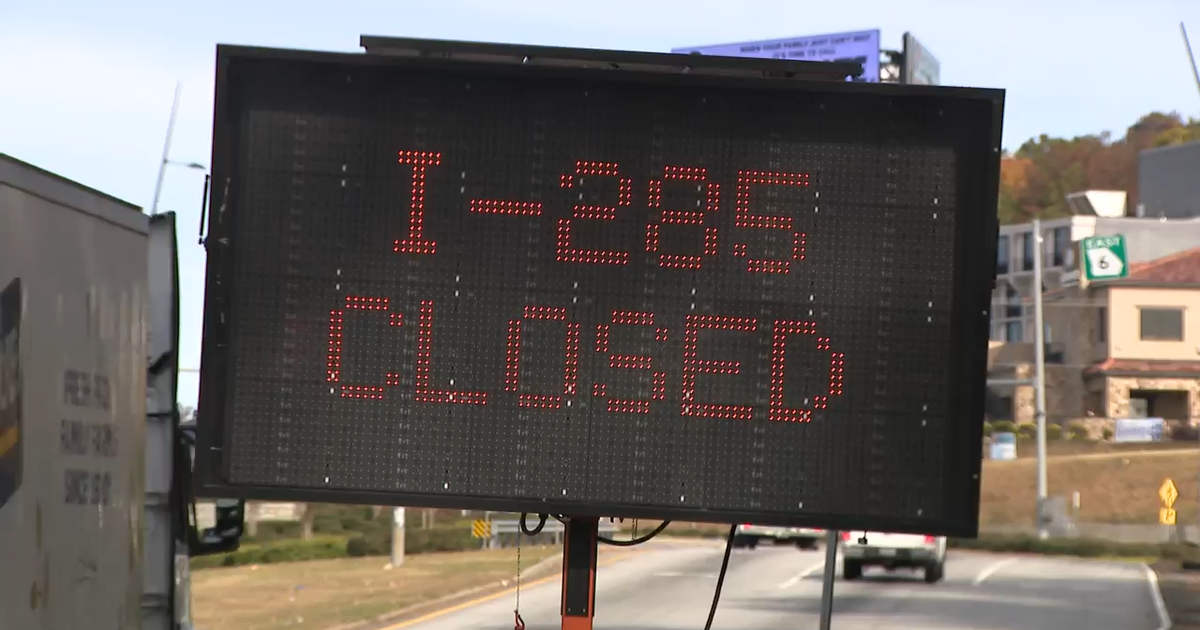
A cascade of technical failures paralyzed essential services across the United States this week, disrupting email inboxes, banking transactions, and commercial aviation in a rapid sequence of digital disruptions.
Microsoft 365 and Air Traffic Control Disruptions
The week of technological breakdowns began when Microsoft 365 experienced a major outage impacting its tool suite, including Outlook, Teams, and the Copilot AI assistant. By late Friday morning, Microsoft reported that services were stabilizing after the disruption affected products for about a day.
Just days later, the Federal Aviation Administration issued a nationwide ground stop for all departing flights after equipment on its telecommunications network became unstable, delaying tens of thousands of travelers.
Pushing back 20 years now, and 2013 Aug was worse it seems. pic.twitter.com/eHbeSMZjWh
The stoppage lasted for more than four hours while air carriers cancelled and delayed swaths of flights. Government contractor L3Harris Technologies oversaw a router upgrade in southern Arkansas that, as the FAA subsequently noted in part, flooded the agency’s telecommunications network with excessive traffic.
Software Bugs Disrupt Banking Transactions and Financial Access
Financial and travel infrastructure absorbed the next wave of system failures. JPMorgan Chase customers found themselves unable to move their own money after a software bug in on-premise hardware systems caused account information access issues and delayed transactions.
I dug into this a bit. It looks like we're at highs, but not unprecedented highs for major systems failures. We're seeing alarming headlines every day, but a lot of it is recency bias. https://t.co/YdTM0CXoNd pic.twitter.com/tW7bWz5VB2
Alongside Chase, patrons of other financial institutions also experienced difficulties—including Wells Fargo, Bank of America, and US Bank—with the latter pointing out that individuals trying to use Zelle via Chase may have encountered issues.
Government and Intelligence Officials Dismiss Cyberattack Theories
Despite immediate public speculation regarding foreign adversaries, cyberattacks, or rogue AI agents, federal officials insisted that the incidents were completely unconnected. Director of National Intelligence Jay Clayton dismissed suspicions of malicious activity during an appearance on television.
“This is not cyberattack, and this is not a coordinated effort by a nation state,” he told CNBC’s “Closing Bell” on Tuesday. “We’ve looked very closely.”
Microsoft said that its outage was technical and not related to cyber or AI agents. Other institutions, including United Airlines and JPMorgan Chase, likewise confirmed that their respective technology issues were not cybersecurity-related.
The Role of Artificial Intelligence in Development Pace
While officials ruled out direct cyberattacks, technology analysts pointed out that artificial intelligence is reshaping software development speeds. Developers are deploying code faster than ever, putting tremendous strain on legacy systems. Luke Kehoe from Ookla said that the past week has been unusually busy compared with the past 12 months, with Downdetector data showing millions of user reports.
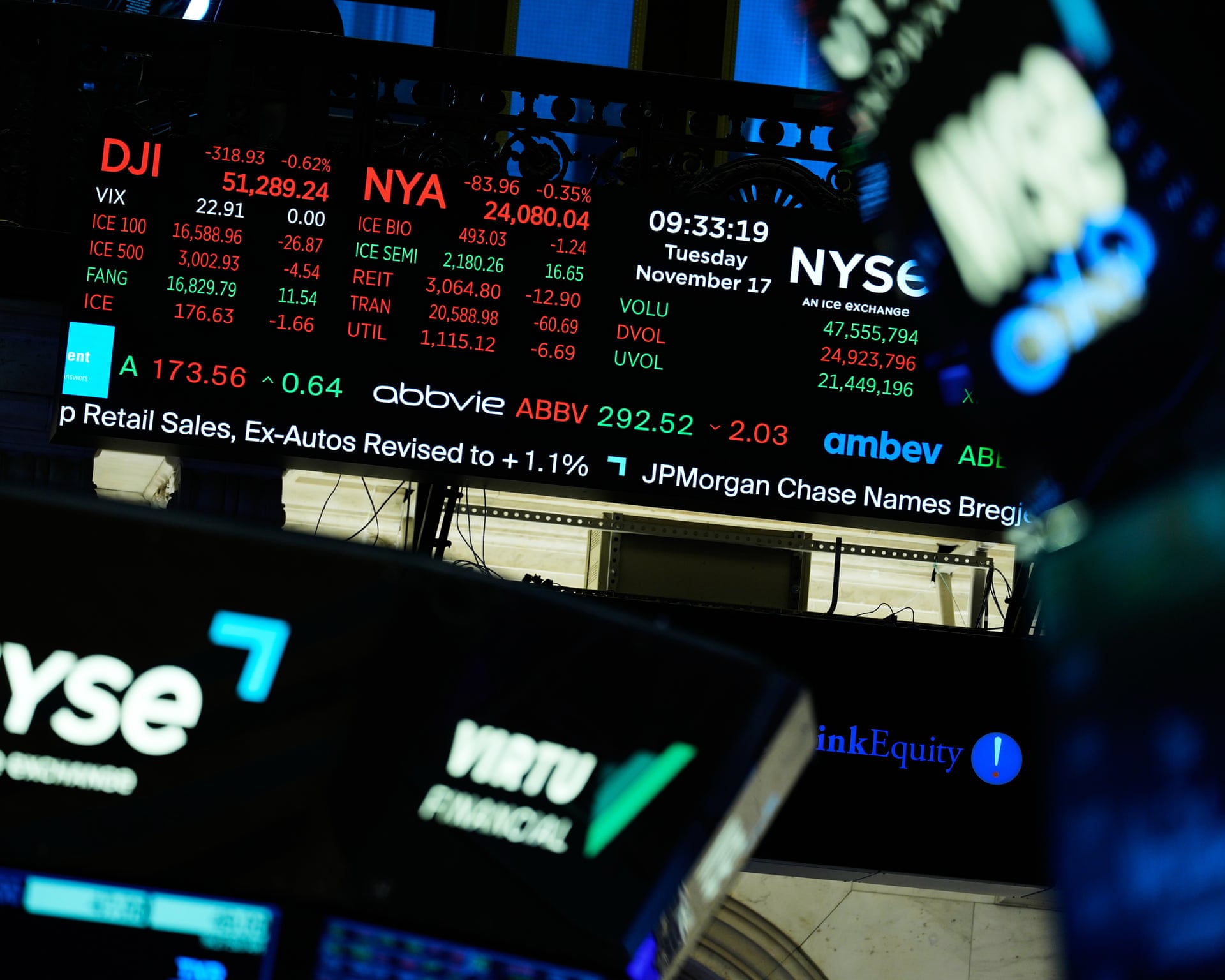
“As AI adoption accelerates, we are likely to witness more incidents of this nature,” Raj Rajarajan, director of the Institute for Cyber Security at City St George's, University of London, said last week.
Matthew Prince, CEO and cofounder of Cloudflare, predicted that “it’s going to feel like the sky is falling for two years” as patching and vulnerabilities crest, though he suspects AI acceleration will eventually help defenders secure software.
“These disruptions should serve as a wake-up call,” he said. “It feels like every day brings another reminder that AI is moving faster than our ability to manage its consequences.”
Expert Recommendations for Digital Resilience
Security specialists urged both institutions and individual consumers to build better contingency protocols. Theresa Payton, CEO of Fortalice Solutions and a former White House chief information officer, suggested that individuals maintain multiple banking relationships rather than relying on a single digital wallet provider.
The involvement of L3Harris Technologies highlights the complexities of managing critical infrastructure. The company, which was formed from a merger of L3 Technologies and Harris Corporation in June 2019, is the sixth-largest defense contractor in the United States. Its roots trace back to the Harris Automatic Press Company, founded in 1895, which spent 60 years developing printing processes before expanding into space race technologies.
Zach Iscol, the former emergency management commissioner for New York City, advised people to prepare and check in on plans already in place, ensuring they have sufficient water, cash, and documents protected.
Palo Alto Networks Unit 42 vice president of threat intelligence Sherrod DeGrippo concluded that the week highlights the vulnerability and deep interdependence of our primary digital systems, where a single router malfunction or software flaw can trigger a nationwide domino effect.