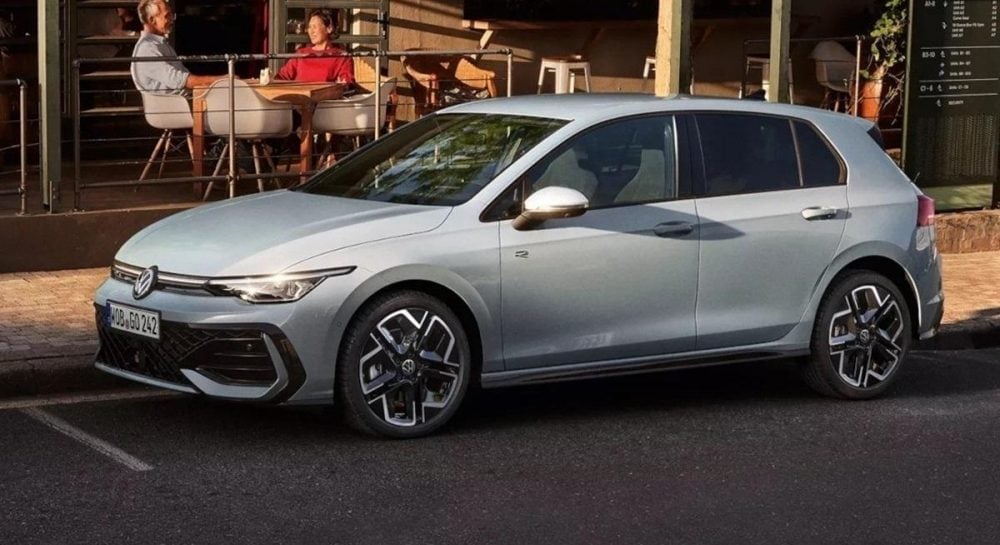
Facing a deficit of 300 million euros, Volkswagen confirmed on October 30, 2026, that it has suspended development of its upcoming electric Golf at its Wolfsburg headquarters. While production of current petrol models continues, the brand has frozen the project amid severe financial pressures and declining profitability on battery-powered vehicles.
Financial Strain Freezes Wolfsburg Headquarters Development
The primary production plant in Wolfsburg missed internal targets designed to slash operating and manufacturing costs, leaving the facility facing a deficit of 300 million euros, or roughly 336 million dollars. Volkswagen has officially halted the preliminary design stages for its next-generation battery-powered hatchback, commonly referred to as the ID. Golf. The decision was revealed in a company report published on October 30, 2026, which detailed widespread austerity measures across the German manufacturing giant.
While the main plant is not currently facing closure, the failure to meet budget thresholds triggered an immediate freeze on uncommitted engineering budgets. Speaking to employees at the headquarters, Thomas Schäfer, head of the mass brand group, acknowledged the immense significance of the vehicle to the region before confirming that the organization could no longer sustain the expenses.
I know what Golf means for Volkswagen and for Wolfsburg. Exactly why this decision was truly not easy for us. But we simply cannot afford this work right now.
Thomas Schäfer, Head of the Core Mass Brands Division, via Reuters and internal memorandum
Group Restructuring Delays Scalable Systems Platform
Volkswagen Group reported significant quarterly losses during the third quarter of 2026, intensifying pressure on management to restructure operations. Leadership has outlined aggressive proposals to eliminate up to 100,000 jobs and potentially shutter as many as four manufacturing plants within Germany. The restructuring effort has strained relations with powerful labor unions, with IG Metall weighing potential strikes starting from January 1. Tensions were further inflamed by decisions from sister brand Audi to pour billions into a new American facility.
The electric model was slated to serve as a flagship vehicle built on the company’s new Scalable Systems Platform (SSP). Originally targeted for a 2026 rollout, development of this unified vehicle architecture has repeatedly slipped due to software complications and surging research expenses. Company executives have indicated that luxury sister brands Audi and Porsche will receive priority access to the new platform, pushing the Volkswagen brand further down the queue. The architecture itself was conceived to streamline manufacturing complexities and lower production expenses across the entire portfolio.
Profitability Pressures Direct Petrol Model Relocation
Even as European consumer orders for Volkswagen electric vehicles climbed by 39 percent during the first three quarters of 2026, the narrower margins on those sales failed to generate the cash flow required to sustain aggressive multi-model investments. Company leadership has openly acknowledged a persistent economic imbalance: battery-powered vehicles continue to lag behind traditional internal combustion engine models in profitability. The wider group recorded special items and impairments totaling 8.7 billion euros in its nine-month report, leaving operating figures far below previous targets.

The current eighth-generation Volkswagen Golf remains available with conventional internal combustion and hybrid powertrains, though its manufacturing footprint is shifting. Volkswagen plans to relocate assembly of the petrol-powered hatchback and variant models away from Wolfsburg to a facility in Puebla, Mexico, with that transition scheduled to conclude by 2027. Past attempts at electrification within this product family include the e-Golf built on the seventh-generation platform from 2014 until 2020, which was eventually phased out to clear assembly lines for the ID.3.