Refining Margins Surge as Oil Giants Post Third-Quarter Earnings
As the ongoing conflict in the Middle East tightens global fuel supplies, major oil corporations are reporting staggering quarterly profits. CNBC reported that Chevron’s downstream earnings more than quadrupled from a year earlier to $4.9 billion, driven by soaring margins on refined-product sales. This surge mirrors broader market trends across the energy sector, where integrated oil majors are operating facilities near capacity to meet demand.
The Bottom Line:
NEW REPORTING: Big Oil has made blockbuster profits from the Iran War — literally 3 times what they made in the year before the war. https://t.co/9gNvPQoKKR
- Chevron reported downstream earnings reaching $4.9 billion, marking a more than fourfold increase compared to the previous year.
- ExxonMobil posted a third-quarter profit of $15.4 billion, more than double its earnings from the same period a year ago.
- National average gasoline prices hit $4.12 a gallon during the third quarter, representing a 96-cent increase from a year prior, as tracked by AAA data.
The Market Mechanics Behind Tightening Global Fuel Supplies
The core catalyst behind these blockbuster earnings is severe margin expansion in the downstream refining sector. Raphael Portela, director for corporate strategy and analytics at energy consultancy Wood Mackenzie, noted to CNBC that while crude oil barrels are still exiting the Gulf amid ongoing geopolitical conflicts, they do so at a steep freight premium. The diesel and jet fuel those barrels would normally produce are largely missing from the global pool.
Russian refinery outages and export bans have compounded the crisis by removing a second critical layer of supply from international markets. According to Wood Mackenzie, physical tightness across the global energy grid will likely persist well into 2027, even if a diplomatic settlement regarding the Strait of Hormuz were to briefly impact market sentiment.
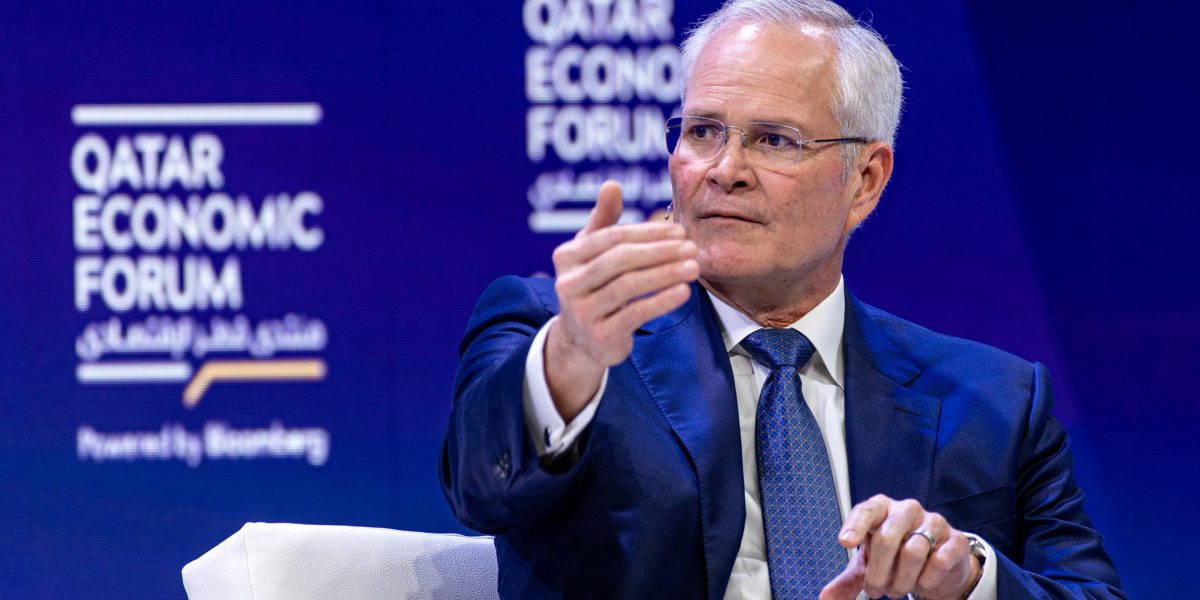
Exxon and Chevron Balance Massive Profits With Consumer Pain Points
Integrated energy firms are reaping the rewards of a highly favorable commodities environment. ExxonMobil’s third-quarter profit reached $15.4 billion, just shy of its highest quarterly profit ever in 2022. Meanwhile, Chevron reported earnings of $9.9 billion, up sharply from $3.5 billion the previous year.
We recognize the impact high prices have on people’s lives and economic growth,
said Exxon CEO Darren Woods during a Friday earnings call. Despite acknowledging these consumer pressures, energy executives emphasize that they do not control global oil and fuel prices.
While you struggle to afford gas at the pump because of @POTUS’s war-of-choice in Iran, his billionaire oil executive buddies are profiting over $130 billion. Shameless.https://t.co/YAZCf0CDNJ
At the same time, political fallout has intensified. President Donald Trump addressed industry earnings during a campaign stop, noting that U.S. oil companies are making a freaking fortune
as crude prices remain well above $100 per barrel. Administration officials defended the remarks, pointing to the United States’ standing as the world’s top producer and exporter of oil.
Financial Disclosures and Congressional Scrutiny Ahead of the Midterms
The financial windfall has extended beyond corporate balance sheets into political discourse. A report released by the U.S. Congress Joint Economic Committee highlighted that President Trump’s personal oil and gas stock holdings increased significantly during the first half of the year, bringing his total investments in the sector to as high as $81.6 million. Advocacy groups have seized upon these figures to criticize the administration’s fossil fuel policies, calling for windfall profit taxes as everyday Americans face escalating energy costs.
"… Right now, location really matters…" – Chevron CEO said today about the oil market amid high freight costs.Read my @Opinion column from a few days ago ⤵️ about why now "with oil, as with real estate, it’s all about location, location, location."https://t.co/nS7Ay6IfJR
White House representatives maintained that all investment decisions are managed independently by third-party managers without input or direction from the president or his family members, ensuring no conflicts of interest.
Elevated Energy Costs Hit Main Street Businesses and Households
The downstream reality of these market dynamics translates directly into financial strain for American consumers and businesses. Moody’s Analytics data indicates that U.S. households have paid an average of $1,184 more since the onset of the conflict for gasoline, diesel, and jet fuel. Farmers harvesting crops face steep diesel expenses, while homeowners grapple with rising heating oil bills.
BIG OIL 3Q EARNINGS: ExxonMobil closes the major's reporting seasons with strong results. Same theme: high oil and gas prices, but above, sky-high refining margins. As its rival CVX, Exxon guided investors to expect a similar level of buybacks next year than in 2026. $XOM pic.twitter.com/ctdFvNwr7b
Looking ahead, energy leadership expects pricing pressures to remain sticky. Chevron CEO Mike Wirth indicated that refining margins will likely stay elevated in the short term, citing logistical costs and tanker leasing rates as ongoing contributors to financial results. Unless international supply chains fully recover and damaged refining infrastructure is repaired globally, market participants should prepare for sustained volatility.
Disclaimer: The information provided in this article is for educational and market analysis purposes only and does not constitute financial, investment, or legal advice. Always consult with a certified financial professional before making investment decisions.