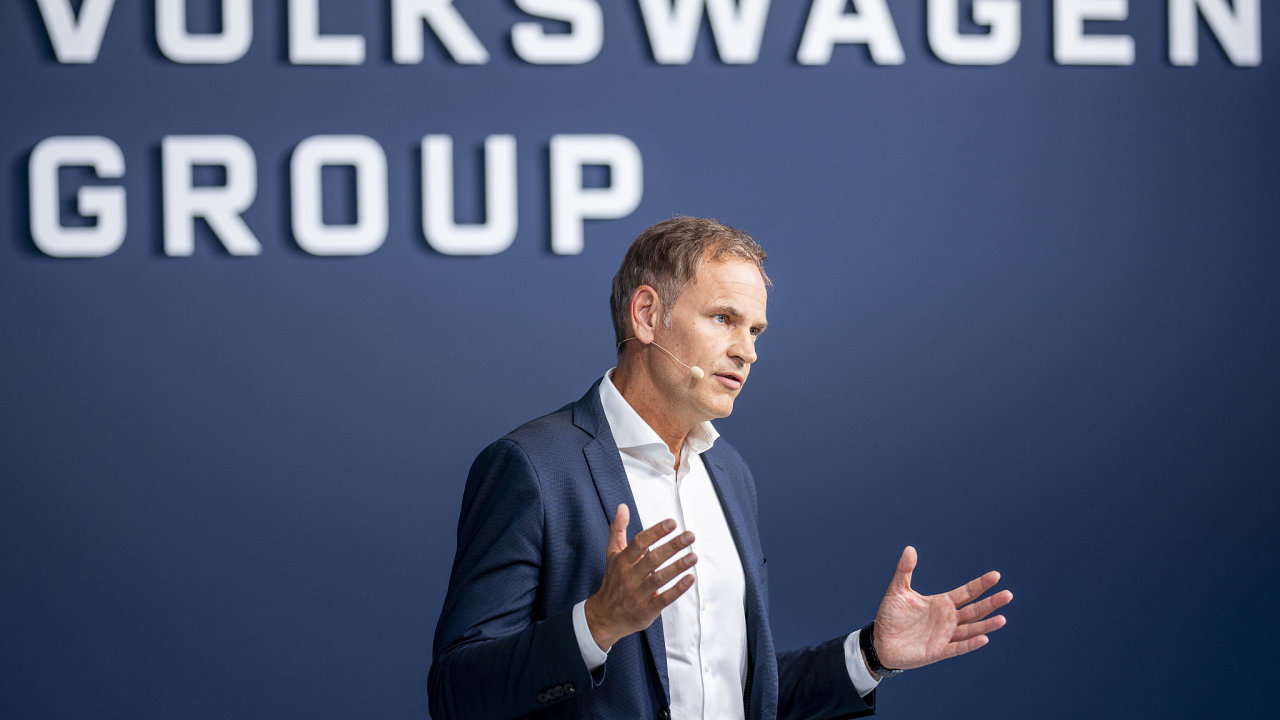
Volkswagen is planning to eliminate more than 100,000 jobs out of a total workforce of 660,000 as part of a sweeping restructuring effort, according to Echo24.
Volkswagen Chief Executive Officer Oliver Blume stated in an interview with the newspaper Bild that staff costs in Germany are roughly double those found in other European nations, contributing directly to the drive for extensive cost-cutting.
Restructuring Pressures and Labor Reductions
Blume acknowledged that the mood inside company factories is tense and that workers harbor anxieties regarding their future. He defended the job-reduction initiative by noting that a portion of the reductions will be achieved through early retirement and severance packages, with billions of euros allocated for these measures. “For those who stay, jobs will be more secure because we are cutting costs by doing so,” Blume said, according to Echo24.
Beyond internal workforce reductions, Blume pointed to broader structural hurdles within Germany, asserting that the country requires faster administrative approval processes, digitization of government administration, and increased utilization of artificial intelligence. “We need more speed in our country,” Blume said, as reported by Echo24.
Operating Profit Plummets as Restructuring Impacts Stakeholders
The extensive restructuring coincides with severe financial deterioration across the automotive group and its major stakeholders. According to Hospodářské noviny, the group’s operating profit plummeted by 98.7 percent year-on-year to 0.1 billion euros during the first nine months of the year, while the operating margin for the year is projected to reach a maximum of one percent alongside planned closures of certain German plants.
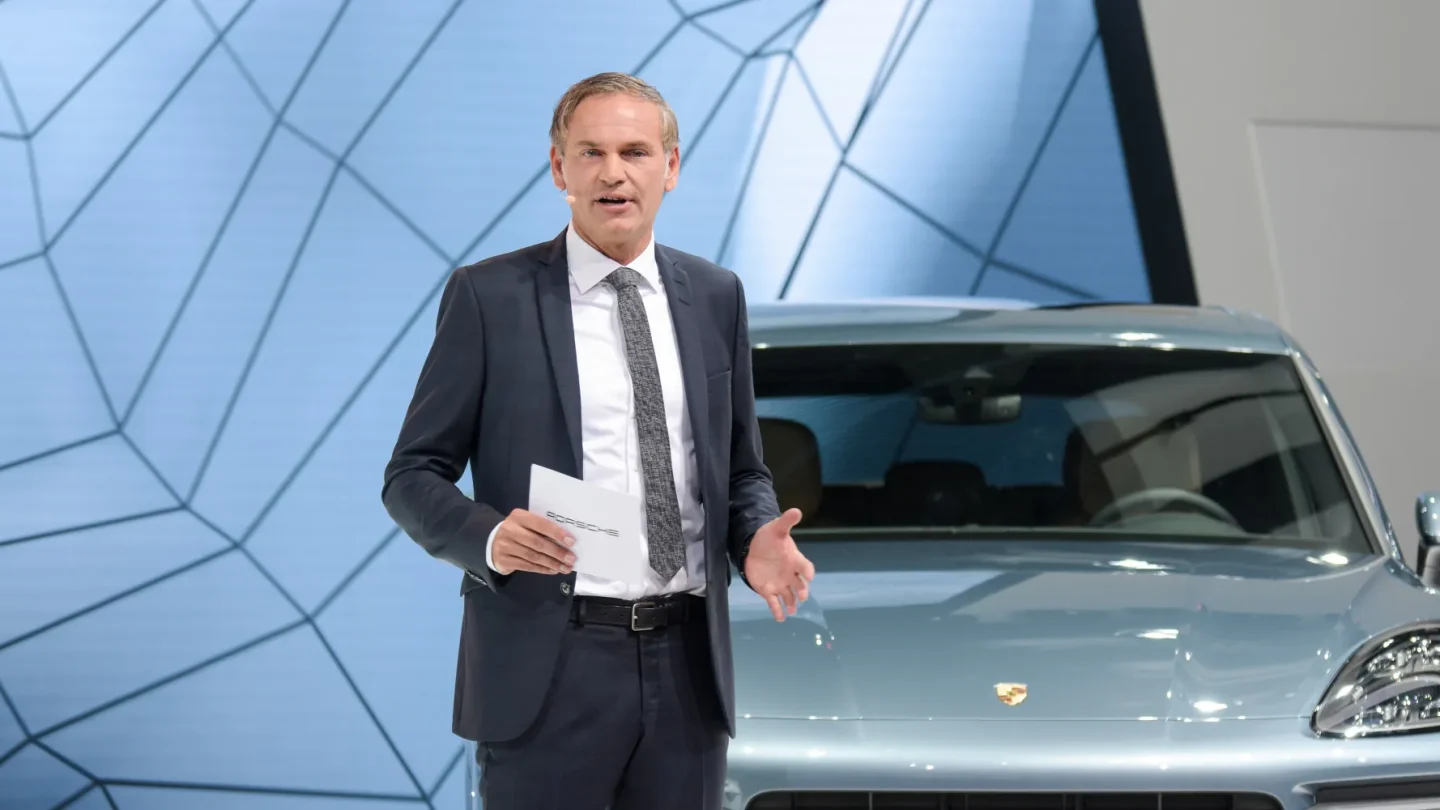
This downturn has cascaded through ownership structures. Porsche Automobil Holding SE, which holds 31.9 percent of Volkswagen’s ordinary shares representing 53.3 percent of its voting rights alongside a 12.5 percent stake in Porsche AG, reported a massive accounting loss of 2.8 billion euros for the first three quarters of the year, compared to a profit of 1.2 billion euros during the same period in the previous year, as detailed by Autoforum.cz.

The holding company was forced to record massive non-cash impairments on the accounting value of its investment in Volkswagen because the automaker itself suffered heavy losses, including a 5.8 billion euro deficit in the third quarter driven by falling sales in China, high expenditures, and the costly pivot back toward internal combustion engines.
Hans Dieter Pötsch, who serves as the chief executive of Porsche SE and the chairman of the supervisory board of Volkswagen, responded to the financial disclosures by urging the automaker’s management to act decisively. According to Novinky, Pötsch said that measures aimed at boosting competitiveness, lowering expenses, and securing sustainable profitability must be implemented rapidly.
Volkswagen Targets Nine Million Annual Sales by 2030
Despite the immediate contraction in profitability and ongoing disputes regarding plant closures, Blume outlined an ambitious long-term strategy targeting the year 2030. According to Echo24, Volkswagen aims to sell approximately nine million vehicles annually by 2030 and achieve a profitability margin approaching ten percent, a level of financial return the company has never reached in its history.
Previous figures cited by Echo24 show that the group’s margin stood at seven percent in 2023, declined to 5.9 percent in 2024, dropped to 2.8 percent last year, and recovered slightly to 3.8 percent in the first half of the current year.
Addressing pressures in international markets, Blume insisted that China remains a viable arena despite mounting competition from domestic electric vehicle manufacturers and an environment where the Chinese automotive market contracted by 20 percent while vehicle prices fell by 15 percent over the preceding two years.
“That is not a lost market yet,” Blume declared, according to Echo24, noting that Volkswagen is actively manufacturing locally at regional cost structures and producing new models capable of competing directly with top domestic rivals.