The Alphabet subsidiary implemented the suspension on November 11, 2026, after California regulators declared its driverless vehicles an “imminent hazard to public safety.”
The California Department of Motor Vehicles intervened following two distinct traffic disruptions in early November. On November 5, 2026, three autonomous Waymo vehicles entered an active construction zone on U.S. Highway 101. On November 6, a Waymo vehicle attempted to pass California Highway Patrol vehicles conducting a traffic break on Interstate 280 in San Francisco, an episode that was captured on video and circulated widely on social media.
DMV spokesman Jonathan Groveman addressed the agency decision in a formal statement, noting that the restrictions bar the company from operating or testing driverless vehicles on any state freeways. Groveman confirmed that “similar incidents” previously occurred on May 18, 2026.
The Department determined that Waymo’s driverless freeway operations pose an imminent hazard to public safety due to recurring incursions by its vehicles into active construction zones where construction workers, vehicles and equipment are present.
Jonathan Groveman, DMV spokesman
The company said that it is working with the California DMV and other state officials “diligently and responsibly to resume freeway operations.”
While the state order applies strictly to California, the company chose to pause freeway robotaxi services across all its active markets. Waymo maintains normal operations on surface streets in cities including Las Vegas, Dallas, and Denver, serving a total of over half a million trips each week across its 15 operating cities.
NEWS: Waymo is pulling its driverless cars off US freeways, in Phoenix, Austin and Miami as well as California. California's DMV banned Waymo from its highways starting Nov 11. That came after one Waymo tried to pass two police cars that were slowing traffic, and three others… pic.twitter.com/UAZbPHonzq
In alignment with our safety-first principles, we have also temporarily restricted freeway operations across our other operating markets to evaluate our performance.
Waymo spokesperson
The company confirmed that the recent freeway encounters on U.S. 101 did not result in any injuries or collisions.
One user, identified as Slade, told KGO-TV that he is “super disappointed” by the recent performance of the vehicles. Slade said that he used to rely on the service frequently, but now prefers to walk or take the bus, stating the experience left him skeptical about using Waymo vehicles in the future.
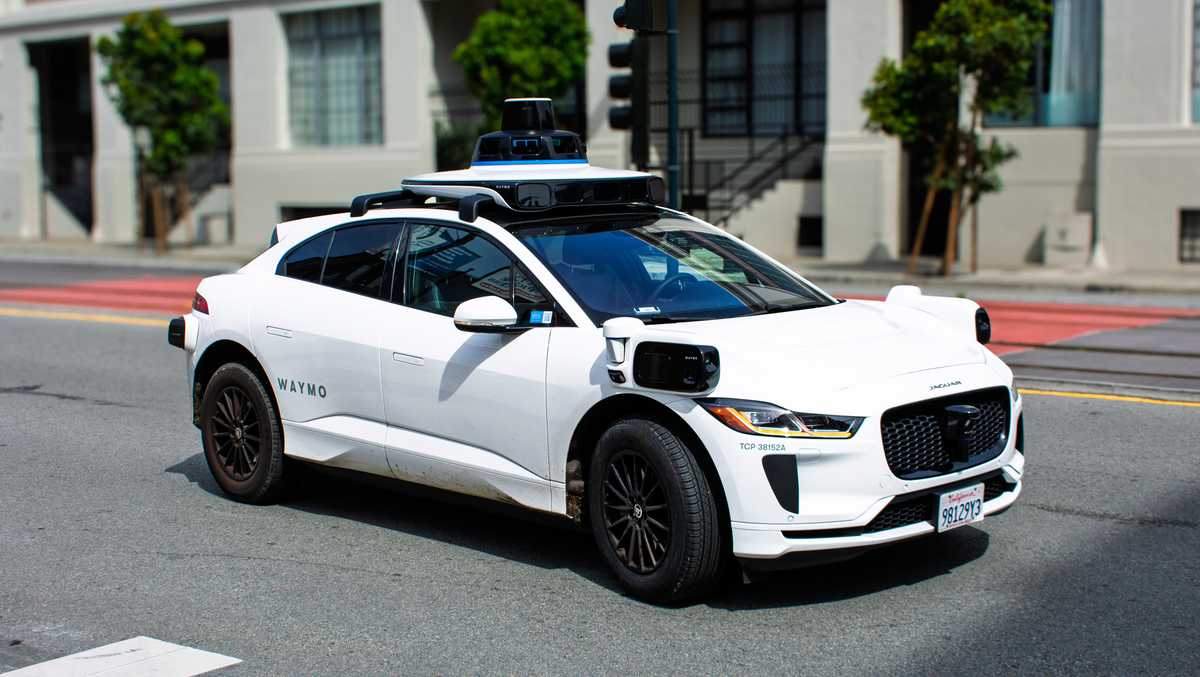
Billy Riggs, a professor at the University of San Francisco, observed that while data shows autonomous vehicles remain safer than human drivers overall, challenges are expected as the technology continues to develop.
Waymo previously faced a temporary freeway pause in May 2026 to refine construction zone software responses, successfully restoring highway access by July. The current restrictions introduce fresh hurdles for the Alphabet subsidiary as competitors such as Amazon-owned Zoox and Tesla expand their own autonomous testing and development efforts.