Nathan Fielder and Lance Oppenheim’s documentary “You Can See Everything” has crossed $102 million globally at the box office after a surprise Telluride Film Festival premiere.
- The A24 release opened to $15.6 million.
- Domestic ticket sales stand at $93.4 million, accompanied by $9 million in international earnings.
- The film debuted on PVOD platforms on Tuesday, Nov. 24.
Theatrical Run and Global Box Office Milestones
Propelled by a surprise screening in early September and a surreal first teaser trailer, You Can See Everything opened in mid-October to $15.6 million.
After holding the No. 2 spot in its first two weeks at the domestic box office, the film finally captured the No. 1 spot the weekend of Oct. 30-Nov. 1, when it earned $11.4 million. It eventually cleared the $100 million threshold worldwide, reaching $102 million globally, with international ticket sales standing at $9 million to the domestic tally of $93.4 million.
This performance makes it the second-highest-grossing domestic nonmusic documentary, trailing only Michael Moore’s Fahrenheit 9/11.
Access and Filming in the Weeks Before Prison
Co-directed by Nathan Fielder and Lance Oppenheim, the documentary follows Elizabeth Holmes during the final 34 days before she went to prison. Holmes and her husband Billy Evans granted the filmmakers permission to film their every move in a rented San Diego beachfront home.
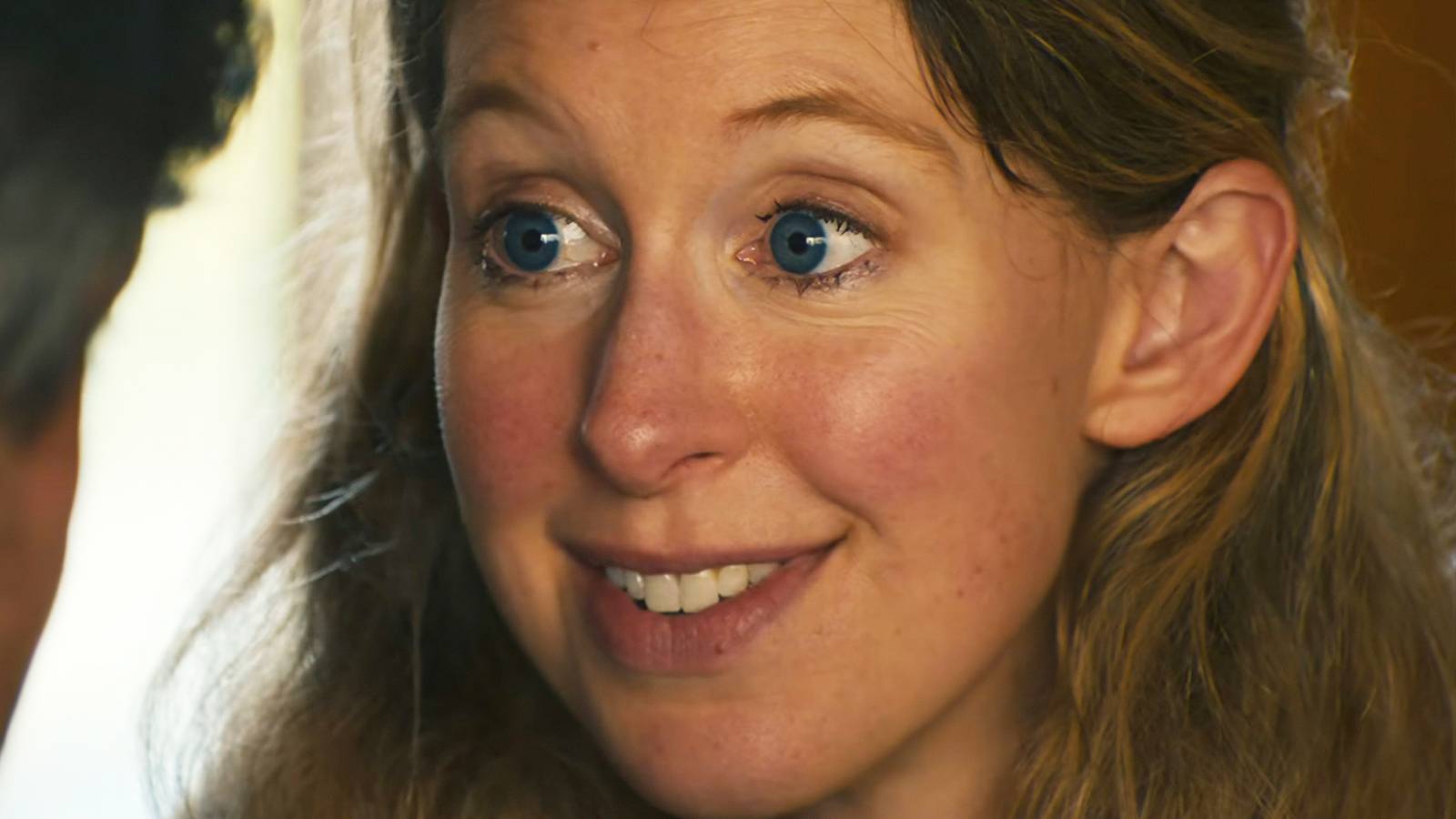
Midway through the runtime, actress Amanda Seyfried—who played Holmes in the Hulu docuseries The Dropout—appears.
Production Background and Critical Reception
The almost three-hour documentary was produced and filmed over the course of three years, operating in strict secrecy before its festival debut. A24 bought the film out of Cannes for $17 million, positioning the title among the studio’s key financial contributors for the year.
The picture was brought to the screen through the collective efforts of producers Tatiana Bears, Maggie Ambrose, Jack Davis, Nathan Fielder, and Lance Oppenheim, working under a reported $7 million budget. Media observers said that the feature contrasted sharply with other documentary releases of the period, such as Alex Gibney’s four-hour documentary Musk, which earned about $760,000 theatrically.
Reviewers highlighted the persistent ambiguity about whether the central subject was genuinely reflective or simply performing. Review aggregators documented overwhelming critical favor, positioning the title among the most thoroughly discussed wide releases of the year.

Fielder Confronts Holmes With Her Own Words
Nathan Fielder presses Elizabeth Holmes on the gap between what her blood-testing devices could theoretically do and what they actually achieved, drawing on a semantic distinction around the word can, according to the Los Angeles Review of Books.
In one exchange, Fielder interjects, What? The Los Angeles Review of Books also notes that Holmes curls away from the screen in tears and says she can’t watch any more when Fielder shows her the footage of Holmes watching The Dropout.
Hunter Harris writes that journalist Marina Hyde joined her in a Google Doc to draft post-screening questions for Holmes, including one asking about the relationship between Holmes’s father and Billy Evans.
Evans Responds to Filmmakers and Criticism
Billy Evans tells Fielder and Oppenheim, I’m not very good at this, when confronted with the irony of advocating for staying true to one’s voice while using Holmes’s voice on social media, according to the WCU Quad. Ready Steady Cut observes that Fielder never reveals his artistic hand throughout the documentary, maintaining a niche and provocative style that exploits the ambiguity of a human story.
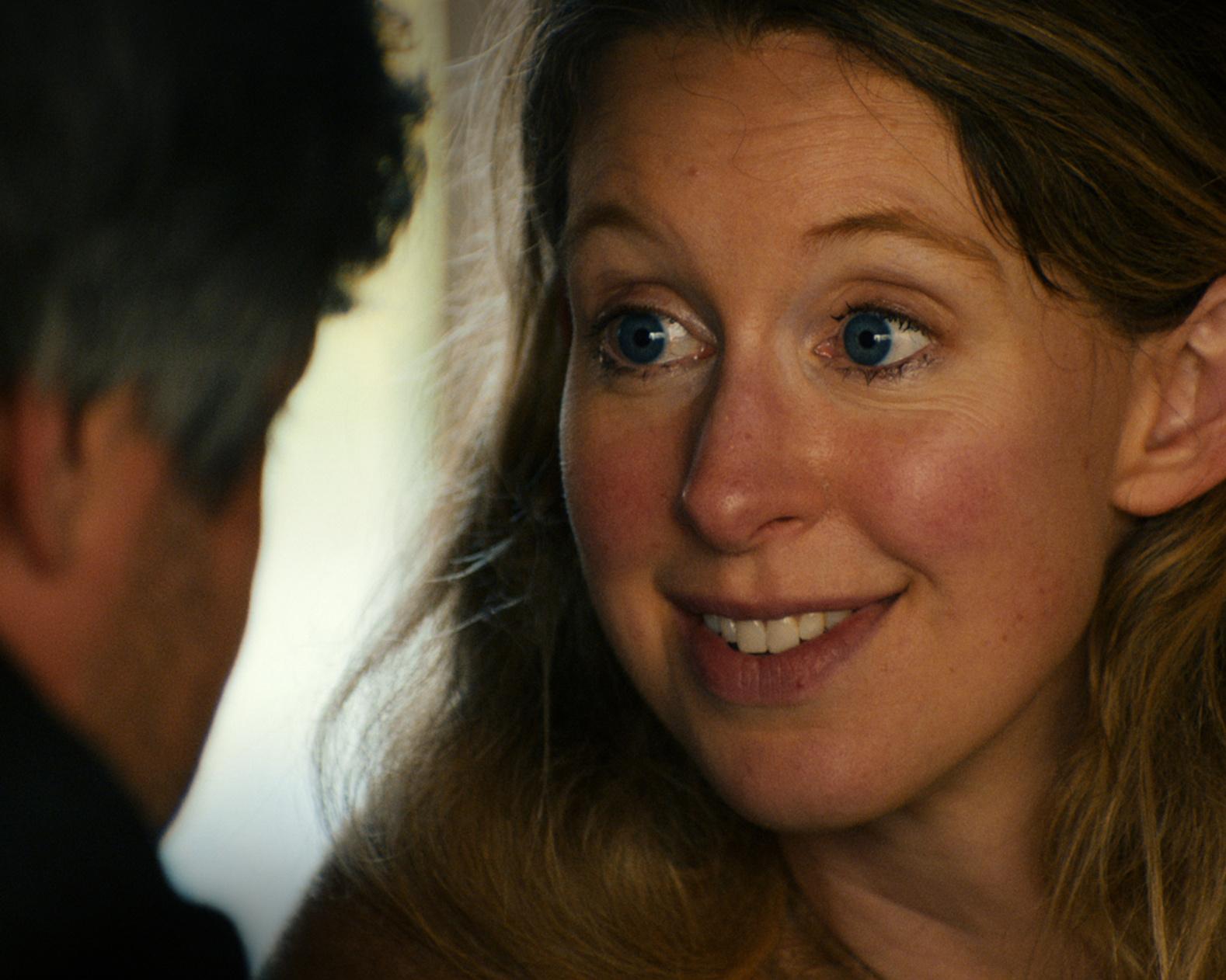
The Handbook notes that Fielder, known for The Rehearsal, was an unconventional choice for a Holmes documentary that yielded interesting results. A Forbes report states that A24 deemed the project a mind-bending three-year journey into the abyss, propelled by the Telluride surprise screening and a surreal first teaser trailer.
Streaming Release on Digital Platforms
As its theater count reached 1,252 North American theaters, the studio transitioned the film to home viewing. You Can See Everything debuted on PVOD on Tuesday, Nov. 24. Viewers can purchase the title on platforms including Apple TV, Prime Video, YouTube Movies & TV, and Fandango at Home.
Critical reception remains strong, with a 95% Popcornmeter score on Rotten Tomatoes. The Rotten Tomatoes critics’ consensus calls the project “Nathan Fielder’s ironclad commitment to the bit is pushed to its limit in You Can See Everything, an inscrutable Rorschach Test of Elizabeth Holmes’ psyche that’s as absorbing as it is haunting.”