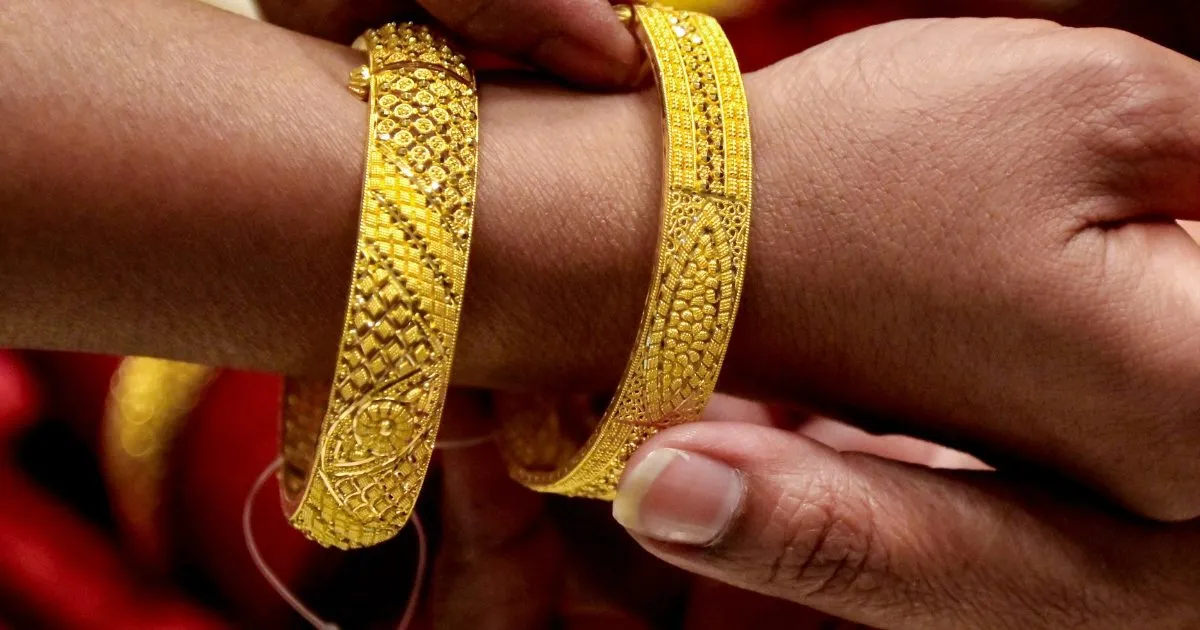
Gold purity in India faces fresh scrutiny as wedding season peaks alongside reports that rhenium powder is being mixed into jewelry to increase weight without raising gold content.
- Industry bodies flagged that 22-karat jewelry may contain closer to 20 karats of actual gold due to heavy metal adulteration.
- The Bureau of Indian Standards called a special meeting on November 23, 2026, to discuss upgrading testing standards and inspection systems.
- CAG draft audit data shows over 83 percent of registered jewelers avoided their mandatory annual inspection between 2020-21 and 2024-25.
Rhenium Powder Evades Standard Tests
Concerns center on rhenium, a dense silver-white transition metal used primarily in aerospace turbine blades. It melts at over 3,100 degrees Celsius. Gold melts at roughly 1,050 to 1,100 degrees Celsius. Investigators say rhenium does not fully dissolve and can remain localized within a piece of jewelry, according to reports detailing the technical challenges.
Standard X-ray fluorescence machines scan only the surface layer where the probe is applied, not the entire volume. All India Jewelers and Gold Smith Federation President Pankaj Arora demonstrated the method.
Earlier, this kind of powder would get caught in XRF machine checks. So there was never this much worry about it.
Pankaj Arora, All India Jewelers and Gold Smith Federation
In a test cited by industry representatives, adding one gram of rhenium powder to 7.830 grams of pure gold raised the total weight to 8.830 grams, the Indian Bullion and Jewelers Association noted. When tested at assaying centers and retail showrooms, the resulting items frequently passed as 22-karat gold with a 91.6 percent purity mark, concealing the adulteration.
Regulatory Oversight Lags Behind Expansion
The framework relies on mandatory hallmarking across hundreds of districts, requiring a six-digit alphanumeric HUID code on items from 14 to 24 karats, according to recent regulatory notifications. Draft audit findings indicate oversight has lagged.

Out of approximately 28,865 registered jewelers nationwide, authorities inspected only 5,444 during the 2024-25 fiscal year, leaving roughly 81 percent unexamined, Business Standard reported. The Gem and Jewellery Export Promotion Council questioned the scientific feasibility of using high-melting-point powders for weight addition and asked the BIS for formal clarification.
Traders also pointed to unmonitored refining capacity. Only 63 refineries hold BIS registration. An estimated 4,000 unregistered facilities operate across the country, melting scrap and raw bullion without direct oversight before it enters the commercial supply chain.
Rhenium-Laced Jewelry Passes as 22 Karat
In a controlled experiment cited by Aaj Tak, 7.830 grams of pure gold were mixed with one gram of rhenium powder and additional alloy metals to produce a finished ornament weighing 9.580 grams. A BIS-recognised hallmarking centre certified the piece as 22-karat (916) purity.
A showroom XRF machine reported 93.70 percent gold, 5.39 percent silver and 0.90 percent copper with no indication of rhenium. Based on the actual gold used, the true gold content worked out to about 81.7 percent, equivalent to roughly 20 karats.
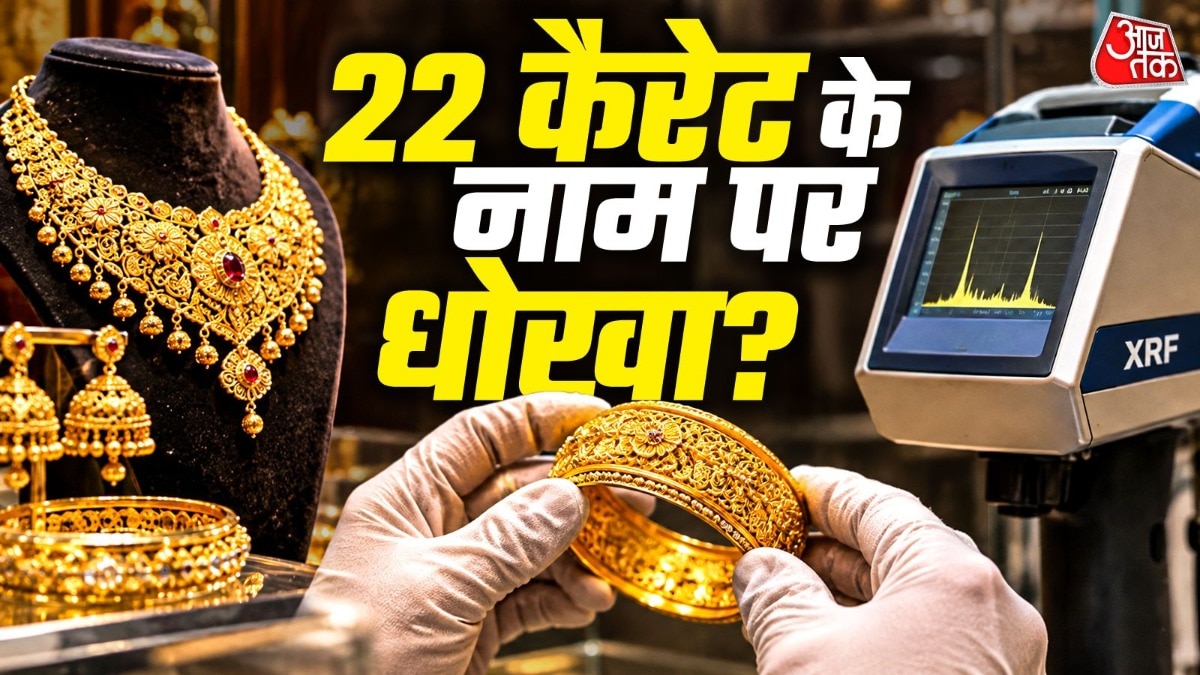
NDTV reported that the Confederation of the Jewellery Trade (CTI) chairman cited the same experiment, stating the hallmarked ornament contained only 81.73 percent gold despite its 22-karat stamp. Aaj Tak added that pure gold has a density of about 19.3 grams per cubic centimetre while rhenium’s density is near 21 grams per cubic centimetre, allowing the heavier adulterant to raise weight without a proportional rise in gold content.
Unregistered Refineries and Staffing Gaps Weaken Supply-Chain Checks
IBJA also alleged collusion between some jewellers and hallmarking centres, including falsified purity reports and misuse of the BIS Care app, and demanded mandatory sourcing from accredited refiners.
ETV Bharat reported that Madhya Pradesh’s 19 mandatory-hallmarking districts contain roughly 3,500 jewellery shops, yet the Bhopal BIS branch relies on just 24 senior scientists and staff for sampling and enforcement. The outlet noted a shop’s turn for a second sample can arrive two years after the first.
BBC Hindi added that the government informed Parliament in 2005 that BIS had revised standards to detect ruthenium and iridium adulteration, and described rhenium as a very heavy metal with a silver-like lustre.

Trade Bodies Urge HUID Verification via App
Trade associations advise buyers to exercise heightened caution during wedding purchasing cycles. The GJC urged consumers to verify the six-digit HUID code using the official mobile application, cross-checking the registered jeweler details, hallmarking center, and stated weight before completing transactions.
Regional BIS officials emphasize that consumers can lodge formal complaints through the application if discrepancies arise between physical items and digital registry records.