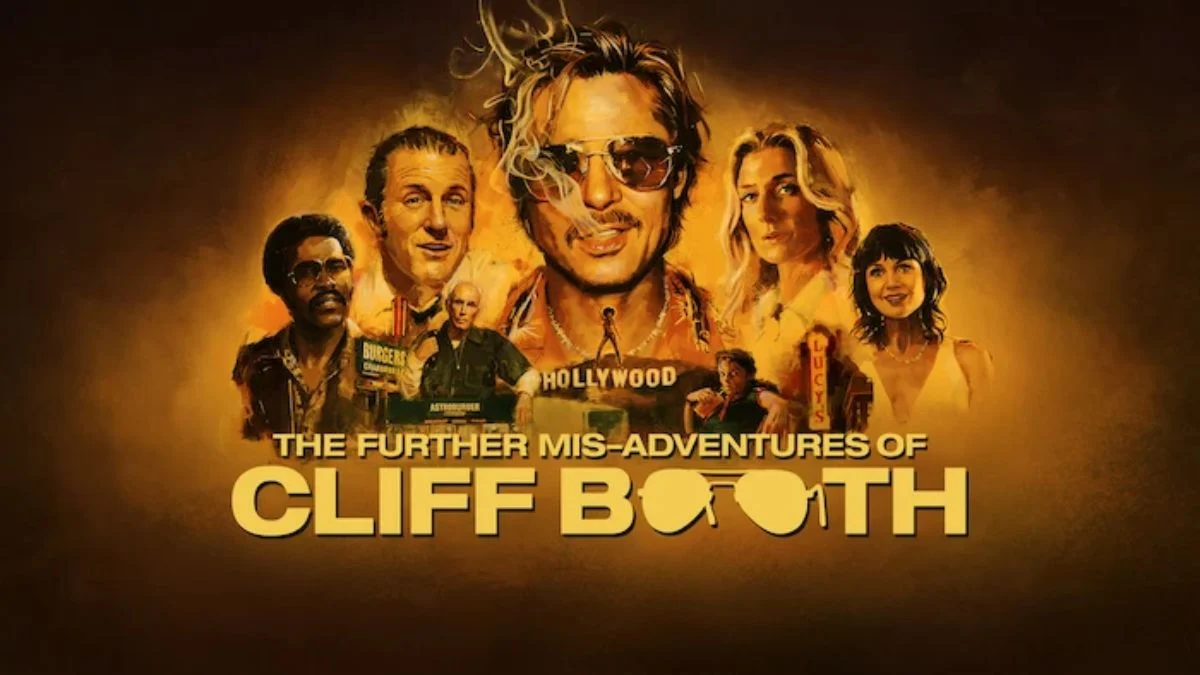
“I’m not a Luddite, so I don’t fear the unknown,” David Fincher said when asked about generative AI in his latest film, The Further Mis-Adventures of Cliff Booth.
His defense arrives as audiences and critics flag sequences that appear AI-generated, igniting debate over the production’s visual integrity.
The film, written by Quentin Tarantino, serves as a sequel to the 2019 hit Once Upon a Time … in Hollywood. Set in 1977, the story follows Brad Pitt‘s character, Cliff Booth, now working as a Hollywood fixer. The project is scheduled for an IMAX release on November 25, followed by a streaming debut on Netflix on December 23.
Critics Flag AI Sequences
In a review for Next Best Picture, critic Giovanni Lago labeled the AI use “noticeably distracting” and an “eyesore.” Social media users have compiled timestamps of scenes they believe are AI-generated. Some viewers expressed disappointment that a director known for meticulous perfectionism would adopt such technology. One user on X lamented that the perceived reliance on AI “overshadowed” what could have been a strong sequel.
Fincher’s Digital Restoration History
Fincher previously acknowledged using AI-assisted tools during the 4K restoration of his 1995 film Se7en. He used software to fix technical flaws, such as camera pans that overshot their mark, by generating missing information from unused takes to complete frames.

Fincher frames these tools as a way to innovate within a century-old medium. “We’re talking about a thing that’s a hundred years old, and everyone’s going, ‘Stop. Pencils down. No more iterating. It’s not necessary to have at your fingertips the ability to change the color of that person’s eyes.’ Well, it exists. Should we not use it?” he told the Los Angeles Times.
Online Backlash Turns Personal
Social media reactions have turned personal. Users on X attacked Fincher’s legacy and creative credibility. One commenter wrote that the director, known for exacting standards, was employing garbage b— ai. Others declared him washed and claimed their GOAT was over.
David Fincher defends the use of AI in THE FURTHER MIS-ADVENTURES OF CLIFF BOOTH (2026) by saying that he is not a "Luddite": “Is everyone satisfied that we have figured this art form out enough that what we really need to do is go back to celluloid? How long have people… pic.twitter.com/Rfdx6pf9RJ
Another user stated the filmmaker had fallen victim to boomer brain and called it a moment to disown your idol, according to The Mirror. ComingSoon.net noted a separate user remarked on David Fincher in the 2020’s with resignation, despite enjoying his previous film The Killer.
Critics also weighed in on the visual results. A review from Next Best Picture described the technology’s application as “noticeably distracting” and “nothing but an eyesore.” One viewer wrote they walked out of Cliff Booth completely gutted, according to IndieWire.

Vulture reported the film’s period Hollywood atmosphere feels less immaculate than its predecessor, resembling a dream state where fictional footage blurs with the narrative. The Associated Press added the movie feels aimless despite colorful visuals, while the same outlet noted Brad Pitt’s stuntman still looks gorgeous driving around Los Angeles in a convertible.
Fincher Defends Innovation
Speaking to the Los Angeles Times, Fincher pushed back against the idea that cinema’s visual language is settled. He asked whether everyone is satisfied that the art form has been figured out enough to return to celluloid.
https://t.co/taUiAonPbr pic.twitter.com/WHmjnKwlhx
He noted painting has existed for 40,000 years while film is roughly a century old, according to Deadline. He argued the ability to alter details like an actor’s eye color exists now and questioned why creators should not use it.
In a 2023 British GQ interview cited by The Playlist, he discussed AI’s creative possibilities while expressing skepticism that machine-generated work could replicate the personal qualities of human artistry. Fincher’s three-picture Netflix deal, which began in 2020 with Mank and The Killer, concludes with this release, according to Vulture. The film stars Brad Pitt alongside Elizabeth Debicki, with the sequel screening for critics ahead of its November 25 IMAX release, sources noted.
Fincher Completes Netflix Contract with Rumored AI Partnership
The film marks the end of a three-picture contract Fincher signed with Netflix in 2020. Industry reporting has connected the director to InterPositive, an AI-focused company founded by Ben Affleck that specializes in post-production tools. Some observers suggest this partnership explains the techniques seen in The Further Mis-Adventures of Cliff Booth. Netflix has not publicly confirmed the use of generative AI in the movie.
The project reached Netflix after Sony, which held the rights, agreed to the arrangement because Tarantino reportedly insisted on Fincher as director. Despite the visual controversy, critical response remains largely positive, with praise directed at Pitt’s performance and the work of supporting actors including Elizabeth Debicki.
David Fincher Defends Use Of AI Amid 'Cliff Booth' Criticism: "Well, It Exists. Should We Not Use It?" https://t.co/3lDnMJ7kCI