United Nations climate talks in Antalya collapsed on Sunday after countries led by the European Union rejected a final draft agreement that omitted any mention of fossil fuels.
The two-week COP31 summit stretched nearly 44 hours into overtime as negotiators struggled to bridge deep divisions over energy policy and financial aid for vulnerable nations.
Antalya Pact Rejected Over Fossil Fuel Omissions
The rejected proposal, dubbed the Antalya Pact, was drafted by the Turkish and Australian joint presidencies of the summit. While the text called on countries to increase the share of electricity in final energy consumption to 35% by 2035 and acknowledged previous commitments made in Dubai, it stripped out explicit references to transitioning away from coal, oil, and gas.
That omission drew immediate backlash from climate-vulnerable island states and western delegations. Ireland’s environment minister, Darragh O’Brien, speaking on behalf of the EU, told delegates that the draft made no reference to the chief cause of global warming.
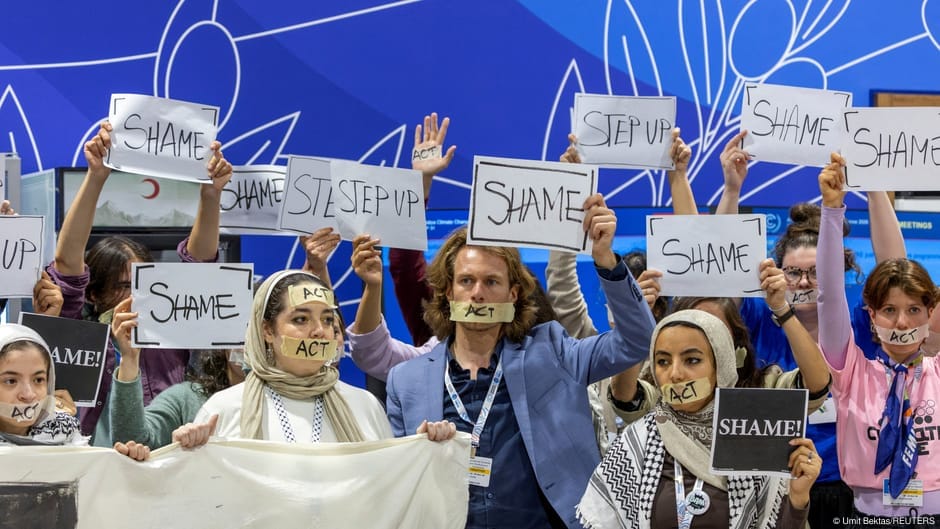
We will not endorse a cover decision that does not even mention fossil fuels, the driver of climate change. And we will not accept negotiating backward in time.
Darragh O’Brien, Ireland’s climate minister speaking for the EU, via Dw
Panama also formally objected to the text, with Environment Minister Juan Carlos Navarro declaring that the proceedings were being held hostage by a petroleum mafia.
Finance Disagreements Deepen Summit Deadlock
Financial assistance for developing nations proved equally contentious. Developing economies argued that wealthier nations failed to provide adequate support to cope with climate-linked weather extremes and adaptation costs.
The final draft proposed discussions on an implementation pathway for tripling adaptation finance by 2035 without attaching a specific financial figure, leaving developing nations frustrated by what analysts described as an offer of conversation instead of cash.
You can’t ask developing countries to transform their economies while they’re drowning in disasters and debt.
Harjeet Singh, founding director of the Satat Sampada Climate Foundation, via Irish Examiner
EU Leaders Condemn Draft as Greenwashing and Backward Step
EU Climate Commissioner Wopke Hoekstra told reporters on Saturday that the bloc would accept either a good deal or no deal at all, warning that the EU would not accept a decision that greenwashes fossil fuels. Ireland’s environment minister Darragh O’Brien, speaking for the EU, said the drafts put before them did not begin to address the climate emergency and moved negotiations backwards on the science when implementation must accelerate. France’s Minister for Ecological Transition Monique Barbut flagged concerns over mentions of carbon capture, utilisation and storage, cautioning that the technology must not serve as a pretext to keep depending on oil and gas.
“we will not compromise our future to benefit fossil fuel interests,” The Marshall Islands said. Greenpeace MENA executive director Ghiwa Nakat said weakening commitments on fossil fuel phase-out risks undermining progress at a time when the climate crisis demands decisive action.
Developing Nations Decry Finance Gap and Delay Tactics
Ghana’s Environment Minister Zanetor Agyeman Rawlings, chair of the African Group of negotiators, criticized the lack of concrete financial commitments for adaptation in the draft. Gambia’s finance negotiator Isatou Camara said some countries appeared to be using delay tactics to pressure others into accepting a weaker outcome, noting the strategy could force exhausted delegates to accept whatever is put on the table. Malawi’s loss and damage negotiator Brenda Mwale questioned whether the summit faced a leadership crisis and if there was really a vision for COP31.
The draft recorded that developing countries require roughly $300 billion each year for adaptation through 2035 and voiced worry over the shortfall between climate finance flows and requirements. Power Shift Africa director Mohamed Adow said if phasing out fossil fuels does not make it into the final agreement, this year’s summit runs the risk of being the worst COP ever.
Former Irish president and UN climate envoy Mary Robinson said there is not the sense of urgency to address these issues and that co-presidents have not been stepping up and giving that leadership.
Acknowledging the 1.5C Threshold and Next Steps
For the first time in COP history, the draft agreement formally recognized that global warming is dangerously close to missing or exceeding the 1.5-degree Celsius threshold established under the 2015 Paris Agreement.
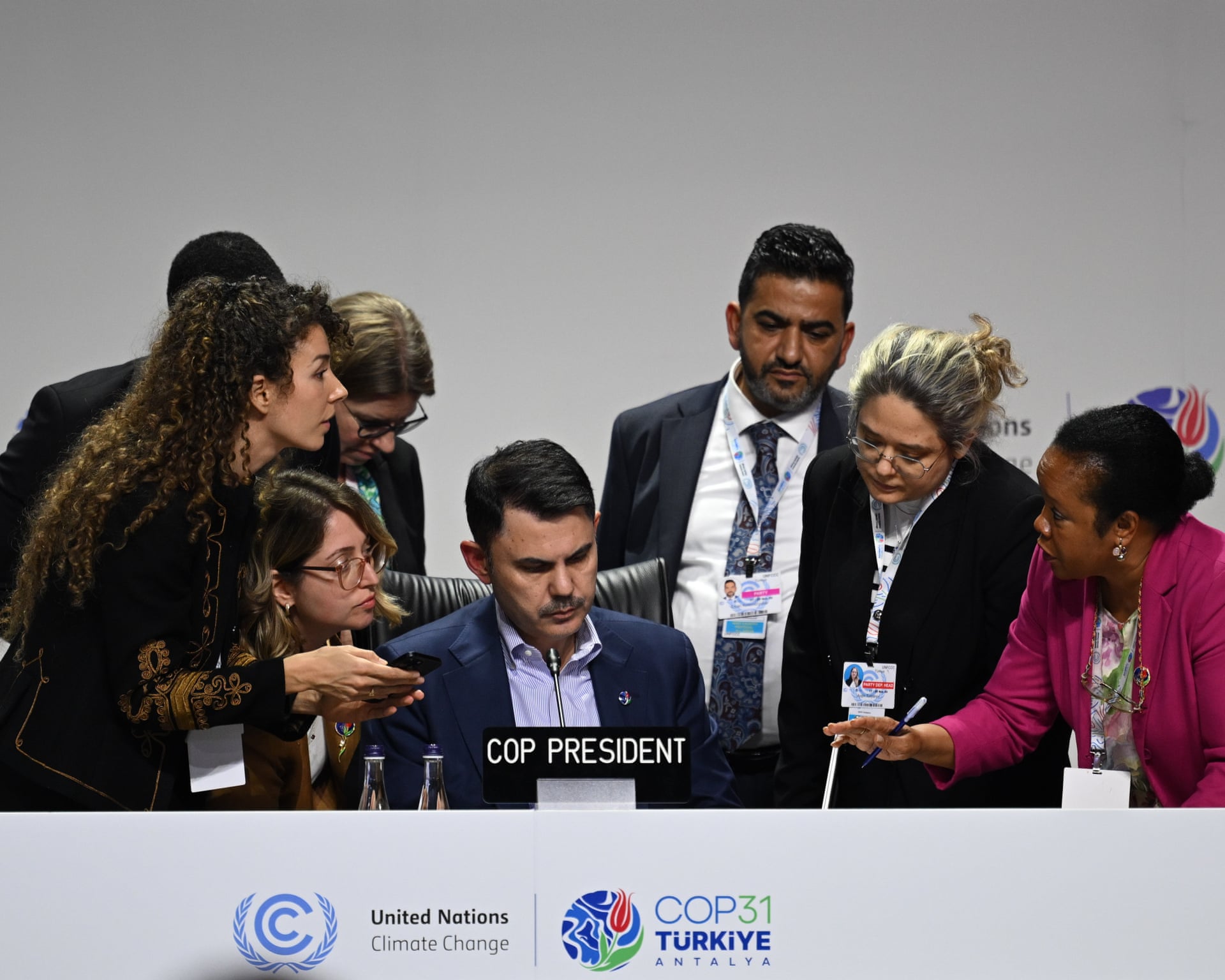
COP31 President and Turkish Environment Minister Murat Kurum acknowledged the lack of consensus, stating that the presidency had not imposed the text on anyone or issued an ultimatum. With formal approval blocked, unfinished matters face suspension until next year, when Ethiopia’s capital, Addis Ababa, is scheduled to host COP32 in November 2027.

Earlier coverage: COP31 Talks Extend Into Overtime After Fossil Fuel Language Removed