
David Fincher has revealed that The Further Mis-Adventures could be his final feature film, pointing to shifting personal priorities and mounting frustration with traditional studio production methods.
Speaking on “The Ringer’s The Big Picture podcast”, the 64-year-old director reflected on more than four decades behind the camera. While he stopped short of issuing a formal retirement announcement, the filmmaker admitted that his patience has worn thin under the weight of modern moviemaking machinery.
Shifting Priorities and Retiring at Sixty-Four
Fincher noted that his perspective on the industry has evolved considerably since he started directing at age 20. Working with younger department heads today has highlighted a distinct gap in patience compared to his early years, when he felt able to speak with real authority and technological insight to his department leads.
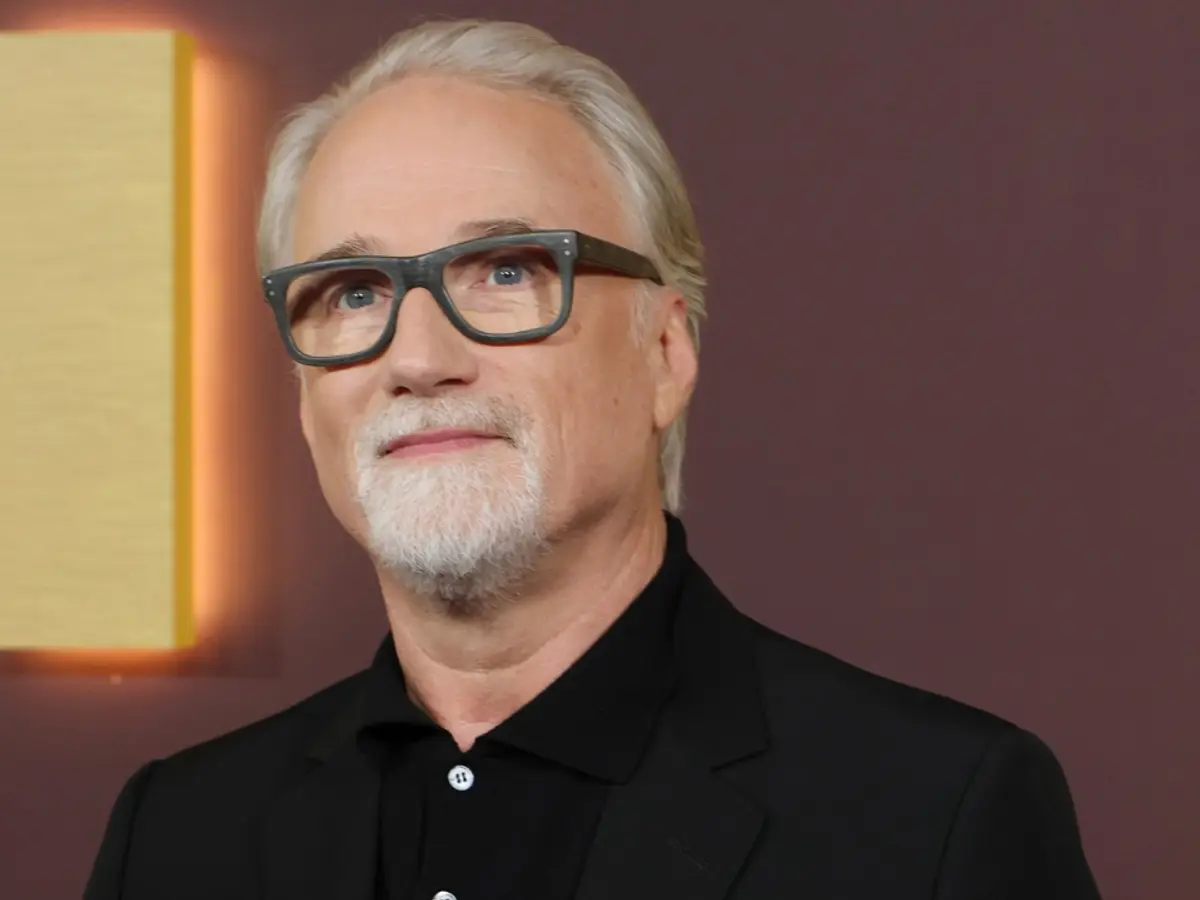
I worry about my priorities changing. I mean, my priorities have already changed. In all seriousness, I could see this being my last movie. Not because I hated it or not because people didn’t get it … but, you know, I’m 64.
David Fincher, Director
Despite the retirement remarks, host Sean Fennessey pressed the director for a promise that the project would not be his swan song, prompting Fincher to offer a reluctant “Okay. Okay” by the end of the conversation.
Fincher Rejects Industrial Assembly Line Studio Productions
At the core of Fincher’s exhaustion is the sheer logistical weight of studio productions. He laid bare his disdain for the traditional assembly-line model that Hollywood established nearly a century ago, arguing that populating a storytelling space with eighty crew members because of standard conveyor-belt rules is something he struggles to stomach.
The greatest disservice that’s ever been done to cinema is the idea of trying to industrialize the process. Storytelling is an intimate thing, and everybody does it differently.
David Fincher, Director
That frustration extends directly to the physical toll of grueling production schedules. The director explained that he and star Brad Pitt frequently pushed back against standard working conditions during the shoot, noting that both men found themselves complaining about sore backs and pushing to wrap early.
Anything that we’re doing that’s not photographing the actors is time not very well spent… I don’t want to work more than 10 hours. I mean, we work 12-hour days on this, you know? … It’s eight o’clock at night. I need to be in bed.
David Fincher, Director
Embracing Artificial Intelligence to Streamline Production
To combat what he views as inherent wastefulness in moviemaking, Fincher has defended his use of artificial intelligence in post-production. He envisions technology as a practical tool to eliminate redundant technical busywork rather than a replacement for human craft, noting that automated dialogue replacement and other digital tools were employed to match the best dialogue audio recording with the best on-camera acting performance when those elements did not correspond.
The filmmaker emphasized that relying on sheer manpower to solve technical problems is an outdated relic of the past century. Instead, he advocates for a much leaner approach to production.
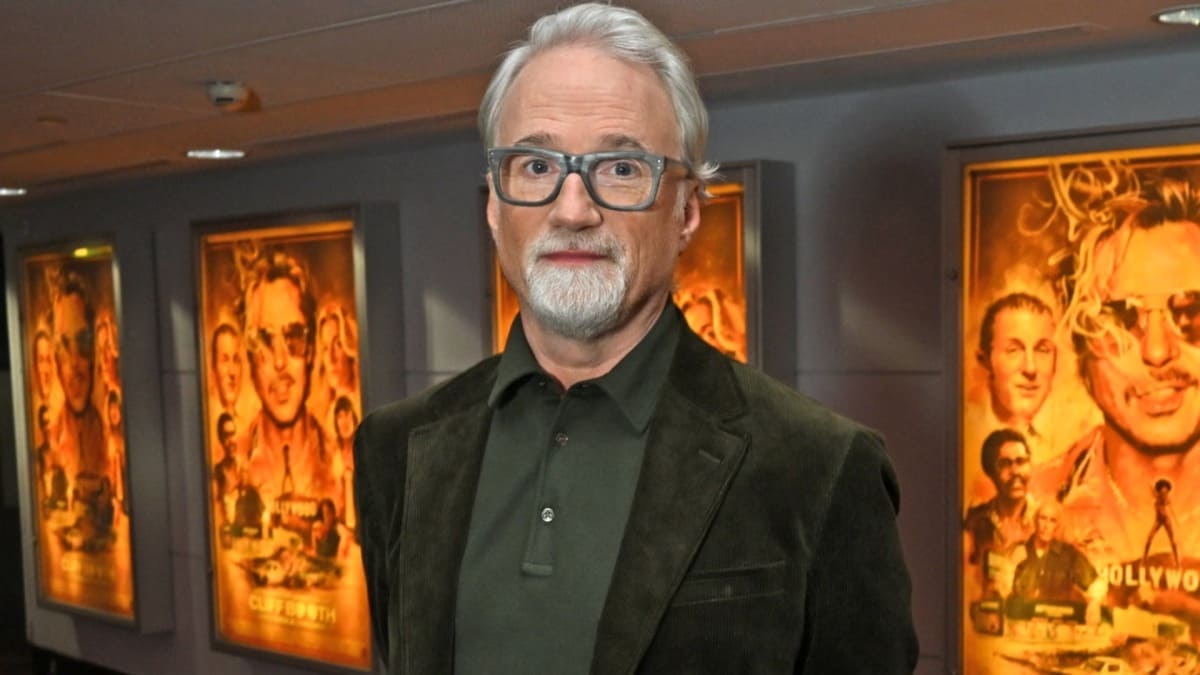
For 100 years, there has been a knee-jerk, which is if you have a real problem, throw manpower at it. Well, in the 21st century, that’s no longer the solution. The solution is, be more streamlined in your thinking.
David Fincher, Director
Fincher Uses Software for Craft Efficiency
According to The Hollywood Reporter and WION, Fincher clarified that his stance on advanced software stems from efficiency rather than malice. He stated that he is not anti-humanity and does not oppose paying individuals to perform work, but he maintains that the craft is unnecessarily wasteful.
Director Waits After Popinjay Cavalier Play
As noted by Variety, the director intends to delay any immediate decisions on his next creative venture until the closure of his newly opened play, The Popinjay Cavalier. He explained that he wants to spend time with his family and live a little.

Over a decades-long career spanning music videos, television, and feature films, David Fincher made his feature film debut as director with Alien 3 (1992) and achieved his breakthrough with Seven (1995). His extensive directorial work includes acclaimed features such as Fight Club (1999), Zodiac (2007), and The Social Network (2010).
The Playlist and The Daily Beast observed that Hollywood retirements frequently do not stick, pointing to peers like Steven Soderbergh who returned to feature films after stepping away. Meanwhile, veterans such as Martin Scorsese, Ridley Scott, and Francis Ford Coppola continue directing well into their eighties.


