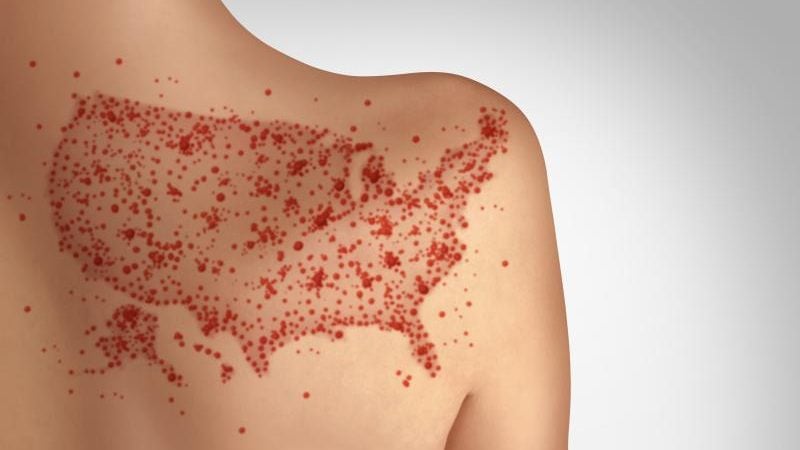
The U.S. flu season is underway weeks earlier than usual, with the Centers for Disease Control and Prevention reporting rising test positivity and widening spread across multiple states.
Early Surge Driven by H1N1 Strain
Seasonal influenza activity is higher than typically observed at this time of the year. Clinical laboratories reported that 9.1% of respiratory specimens tested positive for influenza during the week ending October 31, according to surveillance data.
National numbers show that the proportion of outpatient visits for influenza-like illness reached 3.2%, sitting above the 2.9% national baseline. Data published in a weekly flu report by the Centers for Disease Control and Prevention on November 6, 2026, detail that flu test positivity rose to 11.3% that week from 9.1% the week before.
Influenza A drove that rise. Epidemiologist Caitlin Rivers of Johns Hopkins University told NPR that the early start is unusual because new respiratory virus waves typically begin in the South, while the surge began in the West.
Most cases are driven by an H1N1 virus belonging to subclade D.3.1.1, which picked up a new mutation called G155E. A preprint study traced its first identification to Seattle in September.
A slightly mutated version of H1N1, which triggered the 2009 swine flu pandemic, was also seen circulating in Japan and South Korea over the summer.
Influenza A drove the wave, with the H1N1 virus accounting for the vast majority of subtyped specimens. Specifically, Influenza A(H1N1)pdm09 made up 97.7 percent of the influenza A viruses that public health laboratories identified by subtype during that week.

Genetic characterization shows that a large share of the circulating A(H1N1)pdm09 viruses belong to the D.3.1.1 HA subclade. Federal antigenic testing found that 140 of 147 viruses, or 95.2%, were well recognized by antisera to the A/Missouri/11/2025-like reference virus.
Public health officials note that this early acceleration began in the West before spreading.
Flu Activity Rises Across Several States
Seven states reported high or very high flu activity, up from two states the previous week.
California, Louisiana, Oregon, South Carolina, Tennessee, Texas, and Washington state recorded high activity levels. States including Colorado, Florida, Hawaii, Idaho, Massachusetts, New Jersey, New Mexico, and New York reported moderate activity.
According to the Florida Department of Health, nearly every county in Central Florida experienced an uptick except Sumter and Brevard counties. The current flu year has seen outbreaks recorded in Seminole County, Brevard County, and Volusia County.
In Washtenaw County, health officials noted the season is running about two and a half months ahead of schedule. Douglas County, Nebraska, reported 79 cases in the first week of November and 300 confirmed cases in October.
Hospital admissions are climbing alongside outpatient visits. Nationwide, thousands of patients have been admitted with confirmed influenza, and older adults face the highest admission rates.
Hospitals reported 8,396 patients admitted with laboratory-confirmed influenza during the week ending October 31, representing a rate of 2.5 per 100,000 population. The cumulative hospitalization rate in FluSurv-NET reached 6.0 per 100,000.
During the week ending October 31, a specific age group had the highest flu hospital admission rate at 7.9 per 100,000 people.
Nationally, the CDC has recorded at least 2.6 million flu cases, 36,000 hospital admissions, and 2,100 deaths this season, along with three pediatric deaths reported for the 2026–27 season. In San Francisco, test positivity has already surpassed last winter’s peak.
“Cases are high,” said Dr. Brad Hare, chief of infectious diseases at Kaiser Permanente San Francisco.
Dr. Brad Hare, chief of infectious diseases at Kaiser Permanente San Francisco
Hare estimates that local activity will peak within weeks, potentially leading to a fluctuating season with multiple waves rather than a single sharp peak and slow decline. Susan Ringler-Cerniglia, spokesperson for the Washtenaw County Health Department, said that flu, COVID-19, and RSV now circulate together.
Vaccine Effectiveness Matches Current Viruses
Antigenic testing by federal health agencies indicates that most characterized viruses are well recognized by antisera raised against the Northern Hemisphere vaccine reference viruses.
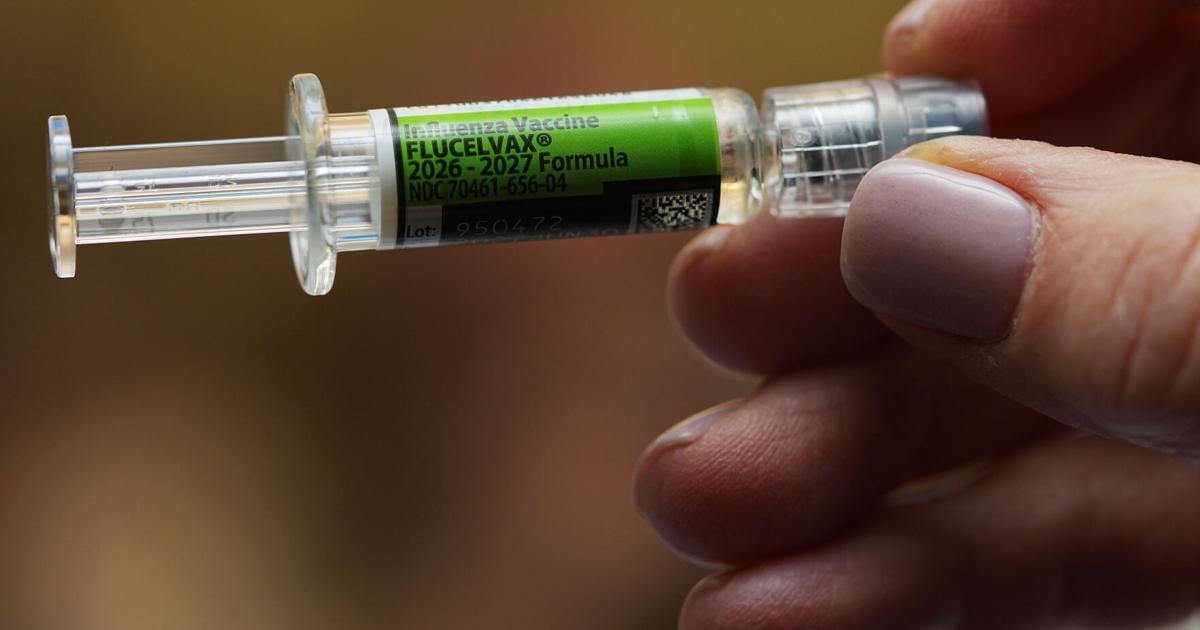
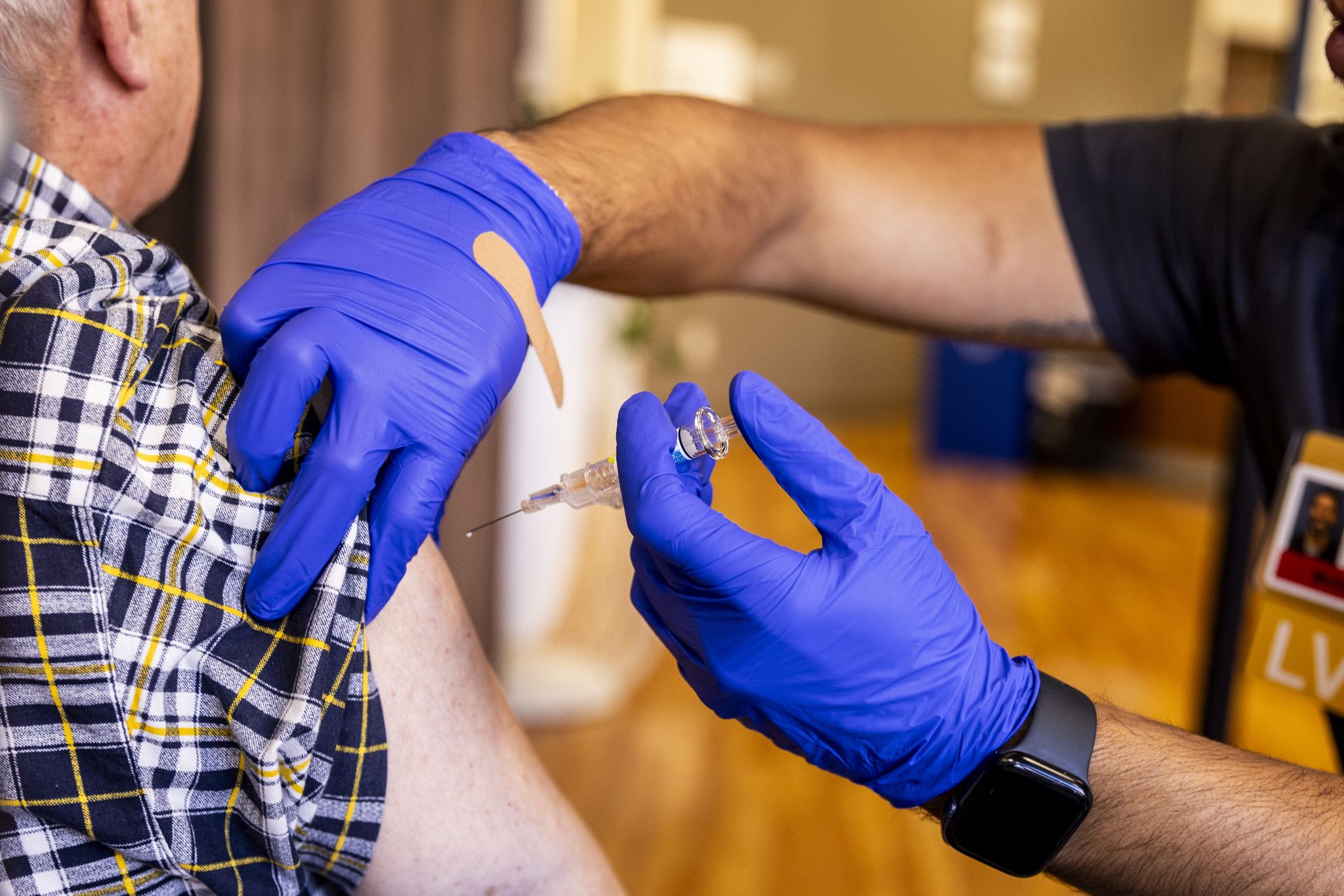
Experts emphasize that getting vaccinated remains the primary defense against severe complications, particularly as holiday travel approaches. The CDC continues to recommend annual influenza vaccination for everyone 6 months and older, urging those not yet vaccinated this season to get vaccinated now.
The agency advises that prescription antivirals should be started as early as possible, particularly for patients at higher risk for complications.
“This early-season influenza activity is currently higher than typically observed at this time of year, but an earlier increase in activity does not necessarily lead to a higher seasonal peak or greater overall severity,” the agency said in its weekly update.
Centers for Disease Control and Prevention
Health specialists recommend annual vaccination for everyone six months and older, noting that protection takes about two weeks to develop fully before gatherings and travel. People should seek urgent care for signs such as trouble breathing, chest pain, confusion, or symptoms that return worse.
Individuals should consult qualified healthcare professionals for personalized medical guidance regarding vaccination options, such as higher-dose or adjuvanted vaccines for older adults, and potential antiviral treatments.