Colorado confirmed a case of clade I mpox in a Denver metro-area resident Wednesday, the state health department announced.
The Colorado Department of Public Health and Environment said the patient lives in the Denver metropolitan area but declined to release demographic details, the patient’s condition, or their county of residence. Clade I is one of two main viral types that cause mpox; the other, clade II, drove the global outbreak that began in 2022 and continues to circulate.
Clade I has only recently begun spreading within the United States. As of October 2026, the CDC had reported more than 200 clade I cases across at least 31 states and Puerto Rico, and the agency said some U.S. infections likely occurred without a known link to international travel.
State epidemiologist Dr. Rachel Herlihy, also the deputy chief medical officer, addressed the finding directly.
While the detection of mpox clade I in Colorado may sound concerning, the risk to the general population remains very low.
Dr. Rachel Herlihy, state epidemiologist and deputy chief medical officer
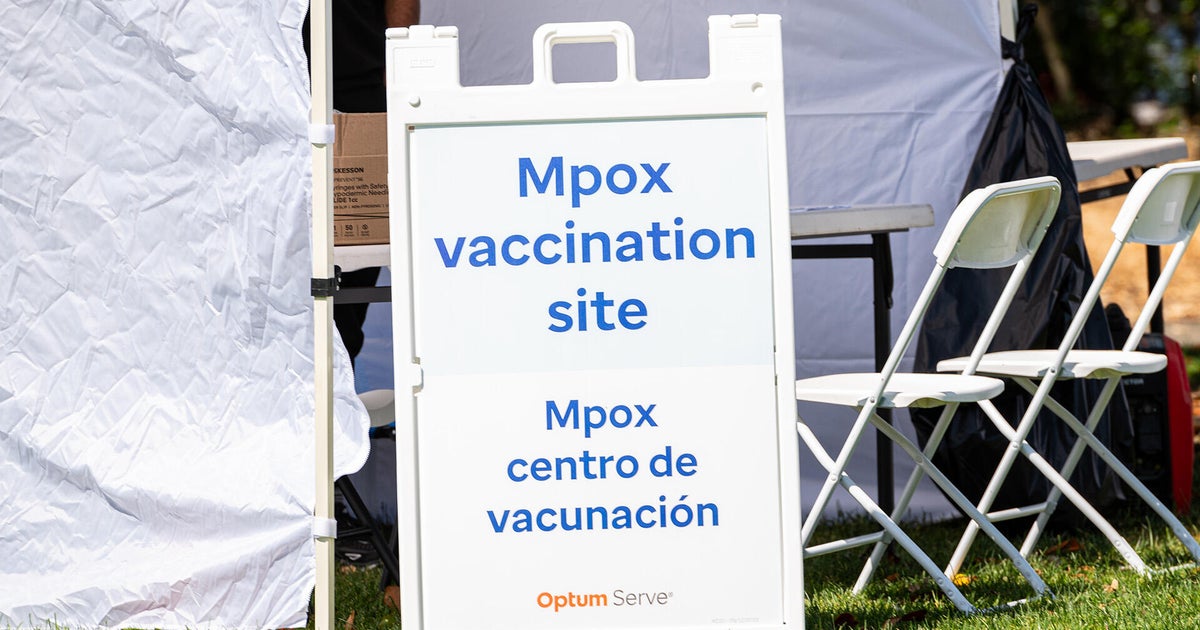
She added that vaccination is the best prevention tool and that the same vaccine protects against both clades.
We strongly encourage those at increased risk for exposure to consider getting vaccinated against mpox. The same vaccine, Jynneos, protects against both clades.
Dr. Rachel Herlihy, state epidemiologist and deputy chief medical officer
Health officials said recent U.S. clade I cases have been relatively mild with no reported deaths, even though the clade has historically been considered more severe than clade II.
During the current global outbreak and among U.S. clade I cases, men who have sex with men have been at higher risk for contracting mpox, and transgender women and gender-diverse people have also been disproportionately affected, according to the state health department. Anyone can get mpox through close physical contact with an infected person, but brief interactions without physical contact are unlikely to spread the virus.
Mpox spreads mainly through close physical contact, including sex or direct contact with an infected person’s sores, bumps, or lesions. Symptoms include a new rash or bumps that may appear on the hands, feet, chest, face, mouth, near the genitals, or in the rectum.
The rash can look like pimples or blisters, may be painful or itchy, and goes through several stages including scabs before healing. Flu-like symptoms such as fever, chills, headache, fatigue, and muscle aches can also occur.
People with a new rash or bumps who think they may have been exposed should get tested, even if they have been vaccinated or previously had mpox.
Dr. Rachel Herlihy, the state epidemiologist and deputy chief medical officer, first became interested in public health after reading about the HIV epidemic in high school. She went on to study bacteriology, medical microbiology and immunology, earning an MD and a master’s degree.
Before joining the Colorado Department of Public Health and Environment in 2011, she served as Utah’s Deputy State Epidemiologist and as Deputy Director for the Department of Defense’s Infectious Diseases Clinical Research Program.
Coloradans can find a vaccine provider and learn more about eligibility at the state health department’s mpox information page.