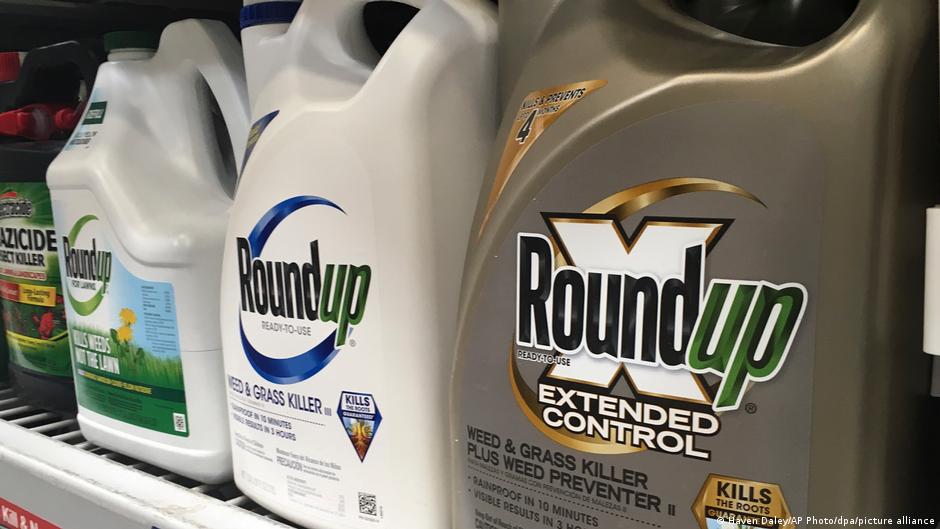
A Missouri judge on Friday approved a $7.25 billion settlement to resolve thousands of claims from U.S. cancer patients who allege that Bayer’s Roundup weedkiller caused their non-Hodgkin lymphoma.
The nationwide agreement, which St. Louis Circuit Judge Timothy Boyer described as “fair, reasonable, and adequate,” aims to provide compensation for both current patients and those who may be diagnosed with the illness in future years. The settlement represents one of the largest payouts in the history of mass tort personal-injury litigation.
Compensation and Eligibility Terms
Under the court-approved plan, Bayer will make annual payments into a special fund for up to 21 years. Eligible participants could receive average individual payouts ranging from $10,000 to $165,000, depending on their age at diagnosis, the severity of their illness, and the frequency with which they used the herbicide. The settlement also allocates $600 million for attorneys’ fees.
Despite objections from some lawyers who argued the individual payouts were insufficient, Judge Boyer rejected calls to delay the process, noting that further waiting could force seriously ill patients to endure “an indeterminate number of years” without relief. He dismissed concerns that some claimants who had previously settled received larger payouts, prioritizing the need to deliver funds to those currently awaiting justice.
Bayer’s Strategy and Legal Hurdles
Bayer, which acquired Monsanto in 2018 for $63 billion, inherited the legal challenges surrounding the weedkiller. Since the acquisition, approximately 200,000 claims have been brought against the company. In 2020, the company agreed to pay $10.9 billion to resolve a large portion of the litigation, though it failed to secure approval for a separate agreement covering future cases at that time.
The court’s final approval is a decisive milestone in the company’s strategy to mitigate the risks of both pending and future Roundup litigation.
Bill Anderson, CEO of Bayer
The settlement arrives five months after a major U.S. legal change. Supreme Court. In June, the court ruled in a 7-2 decision that Bayer cannot be sued in state courts over claims that it failed to warn users about cancer risks, as federal regulations do not require such labels and states are barred from imposing their own additional requirements.
This ruling undercut one of the central arguments in the Roundup lawsuits and strengthened Bayer’s defense in ongoing litigation. Approximately 200 cases remaining in federal courts are excluded from this latest settlement, and Bayer has indicated that the Supreme Court’s ruling provides it with strong defenses in those proceedings.

Disputed Science and Market Changes
The debate over Roundup centers on its active ingredient, glyphosate, which was introduced by Monsanto in 1974. Conversely, the U.S. Environmental Protection Agency maintains that the chemical is unlikely to cause cancer when used as directed.
In response to the mounting legal pressure and public scrutiny, Bayer has removed glyphosate from newer versions of Roundup sold to residential consumers in the United States. While some plaintiffs’ attorneys see the settlement as a necessary compromise in the wake of the Supreme Court’s recent rulings, others remain critical of the deal’s restrictions on future punitive damages.
Christopher Seeger, a lawyer representing many of the plaintiffs, praised the court’s decision to finalize the agreement, stating that the order “delivers guaranteed compensation to Roundup cancer victims who have waited more than a decade for justice.” Conversely, attorney Gerson Smoger, speaking during a September court hearing, labeled the agreement “the scariest, worst future settlement that’s ever been contemplated.” Bill Dodero, Bayer’s U.S. general counsel and global litigation leader, said that the verdict in a separate October Missouri case—which ruled in favor of Bayer—should send a strong signal that plaintiffs will face significant challenges pursuing future Roundup-related cancer claims.

Bayer was founded in 1863 in Barmen, Germany, as a dyestuffs factory established by Friedrich Bayer and Johann Friedrich Weskott. Originally focused on aniline chemistry, the organization later expanded into a multinational pharmaceutical and biotechnology leader.
The company is widely known for its 1899 launch of the trademarked compound Aspirin, which remains one of the world’s most recognized medical products. In 1904, the firm introduced its signature “Bayer Cross” logo, an enduring brand image that eventually became a landmark in Leverkusen, where the company established its long-term headquarters.
As legal proceedings continue, individuals concerned about exposure to these products should consult with qualified legal or medical professionals for guidance specific to their circumstances.


