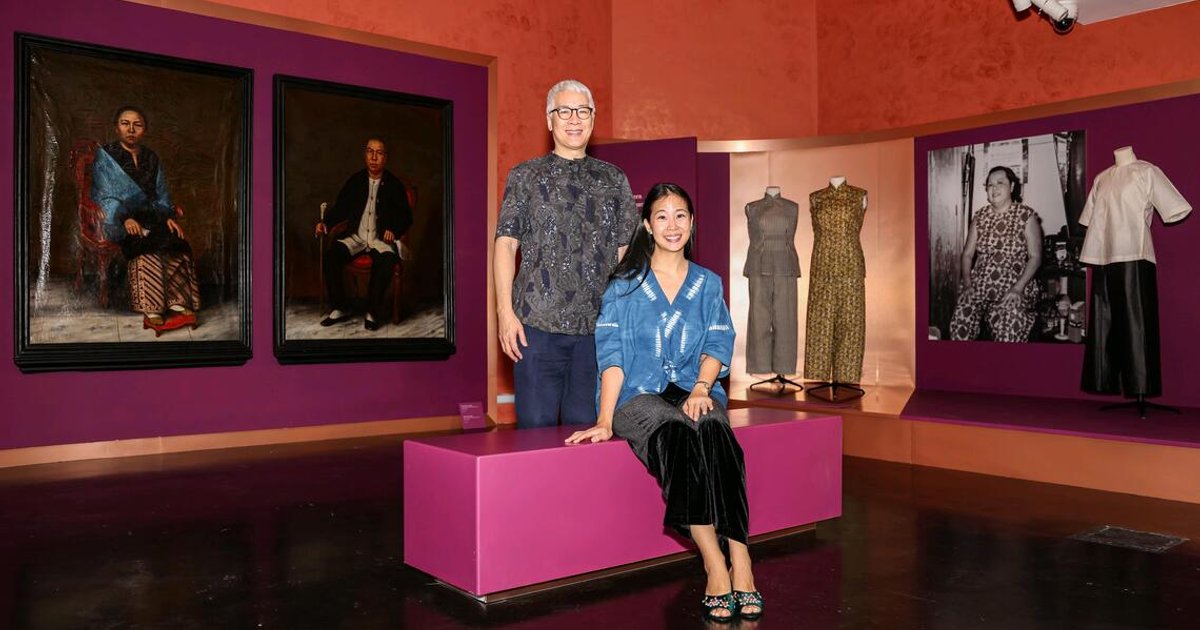
The Peranakan Museum in Singapore will open a new exhibition on Oct. 30 that challenges the traditional image of Peranakan culture as purely extravagant by highlighting the historical significance of ordinary household objects. The show, titled “Exceptional/Everyday: New Acquisitions, New Perspectives,” features 159 objects—including a weathered tiffin carrier and modest clothing—to demonstrate how the use and legacy of an item define its cultural identity more than its aesthetics, The Straits Times reported.
Memory Over Ostentation in Peranakan Identity
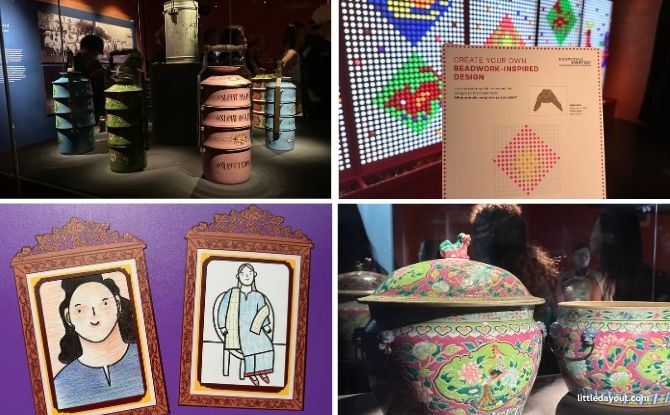
At the center of the exhibition is a plain, weathered tiffin carrier that stands in stark contrast to the colorful, enamelled versions surrounding it. The object was purchased in Bangalore by Lim Yeok Quan and her husband Ong Peng Hock while they sheltered there during World War II. After returning to Singapore, the carrier was used by their granddaughter, Felicity Ong, to transport food to ancestors’ graves at Bukit Brown Cemetery.
Curatorial consultant Peter Lee notes that art history typically prioritizes the creator and the method of production, often ignoring what happens to an object after its creation. In the case of the Peranakan community, objects were frequently adapted for uses that had no relevance to their original design.
Not just treasures: Peranakan Museum’s new show finds meaning in everyday objects https://t.co/B9ZWgk26Dr
“To me, it’s jaw-dropping that nobody ever threw out the rusty tiffin carrier. So I think it’s not just about ostentation. It’s about memory,” Lee said.
This philosophy extends to the exhibition’s display of porcelain and textiles. Blue-and-white porcelain from China, which typically served as dinnerware, was repurposed in some Peranakan homes as containers for ancestor altars. Because these families associated the porcelain with sacred offerings, the items were removed from the dining table entirely.
Hybridity as a Response to Colonial Constraint
In Java, Dutch colonial laws prohibited non-European men from wearing European-style suits. In response, Peranakan men developed a hybrid style of dress: jackets featuring Western lapels combined with Chinese frock buttons.

Naomi Wang, the museum’s Tun Tan Cheng Lock Curator of Peranakan Art, describes this as a completely invented way of dressing that had no prior precedent. This pattern of adaptation is also evident in the “bin poh,” or bridal handkerchief. Originally a functional folded cloth, the bin poh evolved into a purely ornamental accessory hung from a ring worn by brides during wedding ceremonies.
The museum is also expanding its geographical scope beyond the traditional hubs of Singapore, Penang, and Melaka. New acquisitions have brought to light previously undocumented customs from other regions:
- Aceh, Indonesia: Silver memorial jewellery used for mourning, which diverged from traditional Chinese rites of unbleached clothing in favor of Victorian-influenced dark attire.
- Kedah, Malaysia: Phoenix hairpins featuring kingfisher feathers, suggesting a bridal headdress style distinct from those found in Penang.
The Role of Private Donors in Public History
The exhibition relies heavily on the willingness of families to part with heirlooms that have remained in private hands for decades. Museum director Clement Onn stated during an Oct. 27 media preview that the museum is now the custodian of not just the objects, but the family memories attached to them.
The process of acquisition has become increasingly organic. One donor in Brisbane, Australia, spent years contacting the museum via email and phone before the institution accepted a jeweled bridal handkerchief from a 1949 wedding, which features over 100 jewels. Wang noted that the volume of material Peranakan families still possess—and are eager to donate—is “mind-boggling.”
The exhibition runs through Aug. 29, 2027, at the Peranakan Museum on 39 Armenian Street. Admission is $6 for Singaporeans and permanent residents and $18 for foreign tourists. The show is accompanied by a 14-essay book detailing the stories behind the acquisitions.
As Peter Lee observed regarding the cycles of wealth and loss that families endure, the enduring value of these objects lies in the fact that “they still hang on to these objects, whether a grandmother’s kitchenware or a single jewel.”


