Researchers at the University of Sydney have developed experimental nose drops that delivered brain proteins directly to the nervous system, reversing cognitive decline in aged mice and preventing memory loss in animal models of Alzheimer’s disease.
The treatment uses messenger RNA packaged inside lipid nanoparticles. This adapts the core delivery platform behind COVID-19 vaccines to manufacture therapeutic proteins directly inside the nasal lining. By turning nasal mucosal cells into a temporary drug factory, the approach circumvents the blood-brain barrier, which normally blocks large-molecule treatments from reaching the brain.
Restoring Youthful Memory in Aging Mice
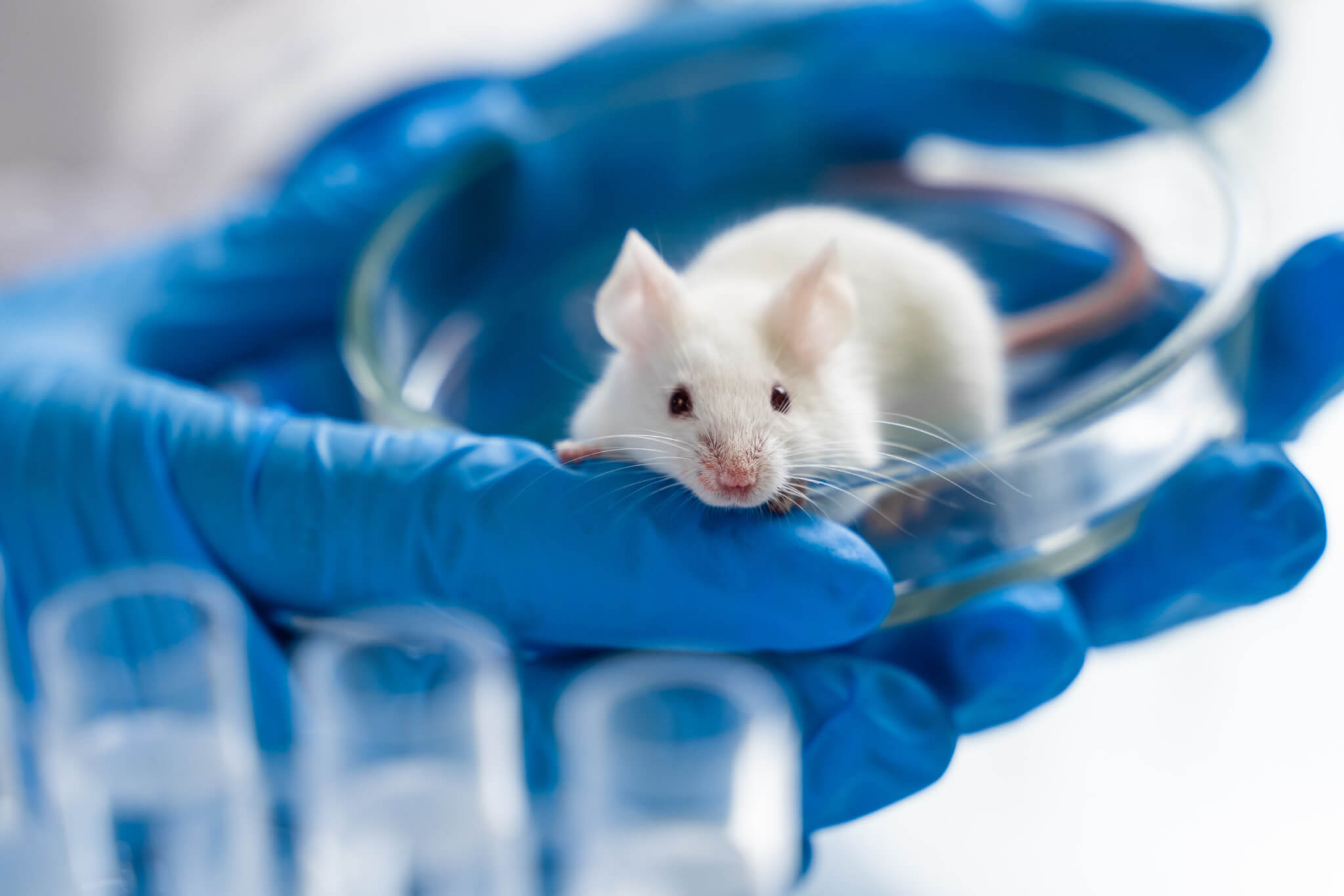
In tests evaluating working memory, spatial memory, and object recognition, elderly mice treated with the experimental drops performed on par with young animals. Eighteen-month-old mice received one microgram of the treatment once a week for four weeks, with behavioral testing conducted twenty-four hours after each dose, according to findings published in the journal Advanced Science.
“In aged mice, we saw learning and memory significantly increased, returning animal cognition to its youthful prime,” said Greg Neely, a professor at the University of Sydney‘s Charles Perkins Centre, as reported by Medical Xpress.
The treatment stimulated structural changes in the brain. The hippocampi of treated older mice contained 2.4 times as many cells expressing doublecortin—a protein marker for newly forming neurons—compared to control groups, pointing to active neurogenesis in regions vulnerable to neurodegeneration. Control animals received nose drops carrying mRNA for a harmless jellyfish protein, and group sizes ranged from six to ten animals.
Targeting BDNF to Bypass the Blood-Brain Barrier
The genetic instructions delivered by the lipid nanoparticles encode brain-derived neurotrophic factor, or BDNF, a naturally occurring molecule that supports neuron survival and memory formation. Naturally occurring BDNF levels drop sharply with normal aging and in patients with Alzheimer’s disease.

The study was carried out by lead author Dr. Maria Bergamasco and senior investigator Professor Greg Neely, working alongside peers at the John and Anne Chong Lab for Functional Genomics—situated within the School of Life and Environmental Sciences, the Charles Perkins Centre, and the Faculty of Medicine and Health at the University of Sydney—as well as research partners from the Laboratory of Molecular Neuroscience and Dementia and the Children’s Medical Research Institute.
“The success of mRNA vaccines showed these systems can safely deliver genetic instructions to cells,” first author Dr. Maria Bergamasco said.
The University of Sydney Animal Ethics Committee reviewed and approved all animal experiments, which adhered strictly to the Australian Code for the Care and Use of Animals for Scientific Purposes.
Because direct protein delivery breaks down quickly in the body and cannot cross the protective barrier surrounding the central nervous system, local synthesis in the nasal mucosa provides a direct route. Laboratory cultures showed that nasal cells continued producing BDNF for up to four days following a single administration.
“This is a very exciting proof of concept for a method to deliver mRNA encoded cargo to the nervous system directly through the nose,” Neely said, according to coverage by The Scientist.

Preventing Decline in Alzheimer's Model Mice
The research team also tested the nasal therapy on 5XFAD mice, a genetic model that develops rapid-onset Alzheimer’s pathology starting at two months of age. When dosed twice weekly beginning at the two-month mark, the animals showed no cognitive decline by four months of age, avoiding the severe deterioration typical of this strain.
The treatment preserved cognitive function without reducing amyloid plaques, the characteristic protein clumps associated with Alzheimer’s disease. Researchers said that this mechanism suggests the therapy could work alongside existing anti-amyloid medications rather than competing with them.
Current Alzheimer’s treatments largely focus on clearing these amyloid plaques, but just under a third of Alzheimer’s patients have serious plaques but do not suffer from dementia, and these patients show naturally higher BDNF levels, suggesting if we raise BDNF, it’s possible to live with Alzheimer’s disease pathology.
Greg Neely, University of Sydney
Nasal mRNA Platform Could Treat Multiple Neurodegenerative Diseases
Professor Greg Neely told Chosunbiz that the nasal mRNA platform could eventually treat a wide range of neurodegenerative conditions beyond Alzheimer’s disease. The researchers also explained in BigGo Finance that the treatment has the potential to complement rather than replace existing amyloid-targeting therapies, noting that combining the two approaches could create synergies in patient care.
The-scientist.com reported that Neely highlighted the possibility of these distinct therapies working alongside each other. He said the underlying technology might eventually help boost cognitive abilities in healthy young people, according to coverage by StudyFinds.
Human Nasal Differences and Deep Brain Delivery Remain Hurdles
Tech Times said that human noses differ significantly in structure from mouse noses, meaning airflow, mucus clearance, and anatomical variations present hurdles that require careful study. Reaching deeper brain structures such as the entorhinal cortex, which is among the first areas damaged by Alzheimer’s, remains unproven in larger nasal passages.
The-scientist.com reported that Neely said more work needs to be done before the therapy reaches clinical trials, though based on previous trials, the components used in the study are known to be safe in humans. UA.News reported that no serious side effects were detected in the mice during the experiment.
Path Forward Toward Human Clinical Trials
While the results in mice demonstrate clear cognitive recovery and neurogenic support, investigators emphasize that considerable work remains before human testing can begin. Structural differences between rodent and human nasal passages mean the delivery method must undergo dedicated safety and efficacy evaluations in people.
“If we can proceed quickly to clinical trials in humans, this approach could represent a world-first non-invasive delivery system to treat Alzheimer’s that bypasses the blood-brain barrier,” Neely told Chosunbiz, adding that the team aims to initiate human clinical trials within two years following required animal safety studies.