A scientific statement from the American Heart Association projects nearly 20 million U.S. adults will be living with stroke by 2050, almost double today’s count, with the steepest increases among younger adults and Hispanic and Asian populations.
The statement, published Nov. 23, 2026 in the journal Stroke, estimates the annual economic burden will surge more than fivefold from approximately $65 billion to nearly $423 billion, while costs per person could nearly triple.
Younger Adults Drive Steepest Relative Growth
Adults ages 20 to 44 are projected to see the largest relative increase in stroke prevalence. Annual stroke-related costs for this group could grow more than tenfold, from $7.9 billion to $84.4 billion.
Hugo J. Aparicio, volunteer chair of the statement’s writing group, called the trend “particularly concerning” because stroke can disrupt employment, family responsibilities and financial stability during prime working years.
The trend may reflect the earlier onset of high blood pressure, obesity and diabetes, along with other factors that can raise stroke risk. Aparicio said
Hispanic and Asian Stroke Survivors Surge by 2050
The number of people living after a stroke could increase more than fourfold among Hispanic Americans and more than sixfold among Asian Americans by 2050.
Women will account for a larger share of survivors, with an estimated 10.4 million women and 9 million men living after a stroke by mid-century. One-in-five women between ages 55 and 75 will have a stroke in their lives, partly due to sex-specific risk factors and longer life expectancy.

Stroke is a leading cause of death for American women, making up approximately 56% of stroke deaths. There are roughly 4 million women stroke survivors in the U.S. currently.
Why the Burden Grows Despite Falling Individual Risk
The projected increase comes despite decades of declines in individual stroke risks and lower death rates from stroke, attributed partly to fewer people smoking and better blood pressure control.
Aparicio identified three factors driving numbers up: an aging population with steeply increasing stroke risk by age; more people surviving heart attacks and reaching ages where stroke becomes more likely; and advanced treatments that improve survival but leave more people living with stroke’s effects.
Healthcare costs are also rising as new brain imaging, interventions and rehabilitation technologies drive up per-person expenses.
Prevention Could Change the Trajectory
The statement notes projections do not account for every development that could reduce future risk, including wider use of treatments for obesity, diabetes and other metabolic conditions.
“These projections are not inevitable,” Aparicio said. “Acting now can help prevent stroke, reduce disparities and protect families from its lifelong consequences,” Aparicio added. Four out of five strokes are estimated to be preventable.
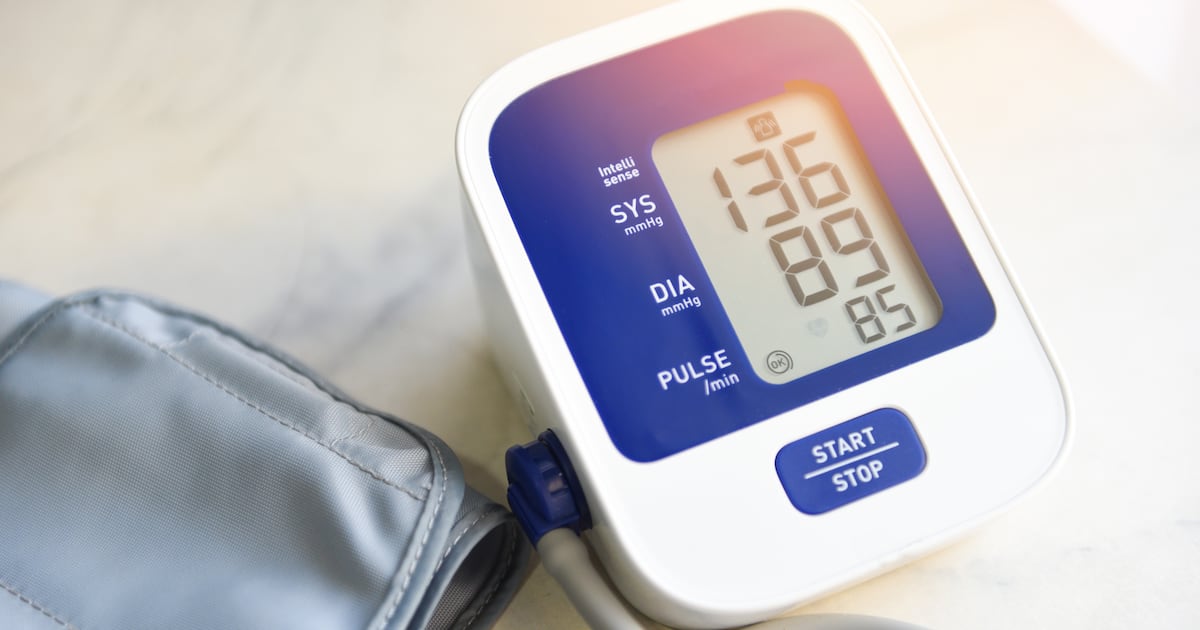
Aparicio said “what happens in your 30s, 40s and 50s protects your brain for decades,” urging regular checks of blood pressure, blood sugar and cholesterol, along with managing conditions like obesity and diabetes. Hypertension, or high blood pressure, is the biggest risk factor for stroke. Work with your doctor to lower them and keep them within a healthy range. Treating conditions like obesity and diabetes is also important.
The American Heart Association, a national voluntary health agency that has funded over $6.1 billion in cardiovascular and cerebrovascular research since 1949, issued the scientific statement through its volunteer writing group chaired by Hugo J. Aparicio.
Because the Association operates the Get With The Guidelines–Stroke program and sets national treatment standards, its prevalence projections directly shape U.S. health policy priorities and research funding allocations.
A Volunteer’s Warning
I knew I had high blood pressure, but like a lot of people, I thought I had time to deal with it. I learned how important it is to understand your risk factors and take them seriously, because stroke can happen at any age.
Stroy, American Stroke Association volunteer
Learn how to recognize what could be a stroke with the acronym “BE FAST”: B for sudden loss of balance, E for vision changes in one or both eyes, F for face drooping on one side, A for arm weakness, S for speech difficulty (both understanding or speaking to others), and T for time counts — call 911 ASAP if any of these signs appear.