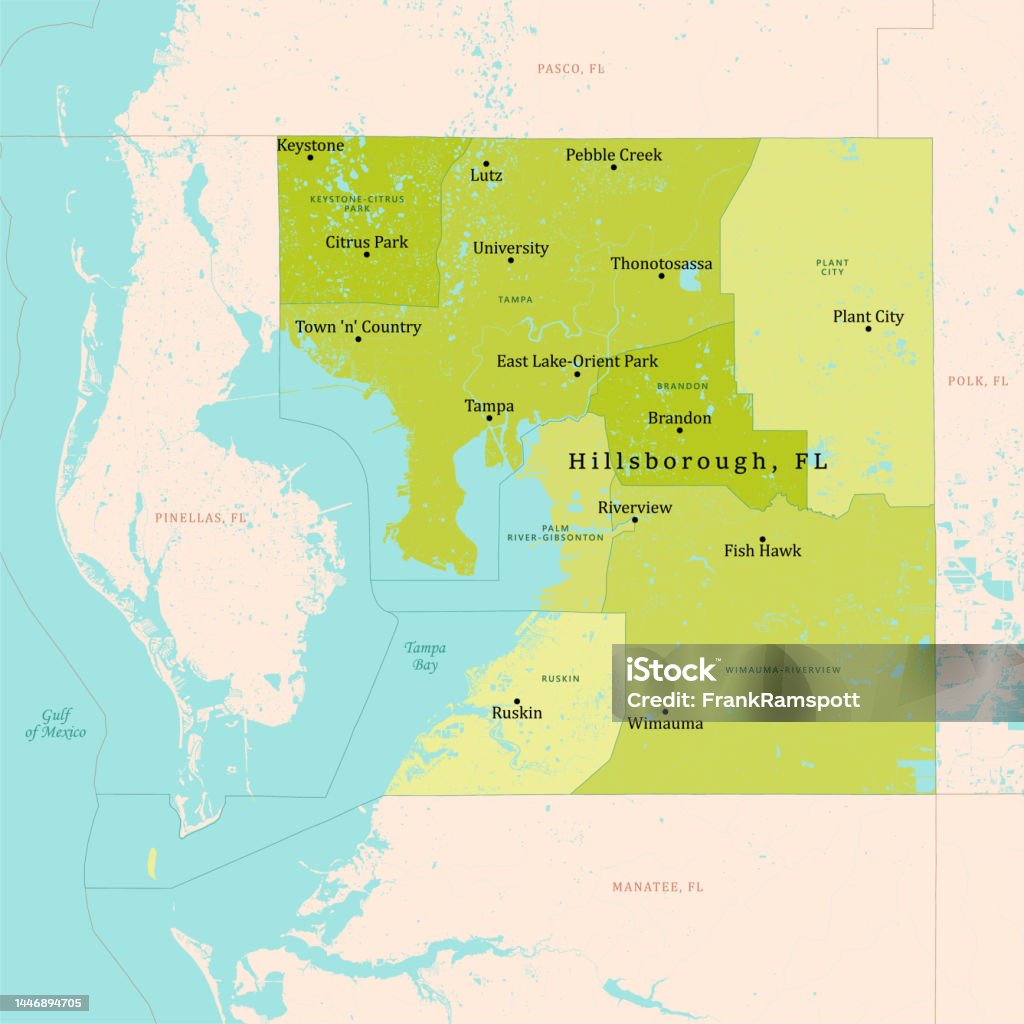
As Hillsborough County faces its largest dengue outbreak on record with more than 350 locally-acquired cases, University of South Florida faculty and students are deploying geographic artificial intelligence, mosquito control training, neighborhood outreach, and multilingual public education campaigns to assist public health officials, according to University of South Florida.
The viral infection, also referred to as break-bone fever, spreads through bites from infected mosquitoes, according to University of South Florida. Symptoms include high fever, headache, eye pain, joint pain, nausea, vomiting, and skin rash, typically appearing four to 10 days after a bite.
After local officials declared a state of emergency in early October, Hillsborough County accounted for roughly 84 percent of Florida’s dengue cases, according to University of South Florida. The surge prompted a shift toward predictive mapping to identify likely mosquito habitats before cases emerge.
“approach uses mapping and remote-sensing tools to narrow the search, helping public health teams focus their efforts rather than canvass large areas without geographic guidance,” Benjamin Jacob, associate professor of biostatistics and data science, said.
Namit Choudhari, a doctoral candidate in the School of Geosciences, studies environmental factors like climate, drought, and flooding to help build Geo-AI models that account for rainfall, temperature, and other conditions to assess transmission risks, according to University of South Florida.
Working alongside the Florida Department of Health, USF students and volunteers conduct door-to-door outreach in affected neighborhoods to distribute protective guidance and leave door hangers when residents are absent, according to University of South Florida.
“One of the main messages we shared was simple: spray, drain and cover,” Caitlin Wolfe, director of COPH Bull Professional Engagement Network (BullPEN), said.
Students spoke directly with residents and left information door hangers when no one was home, according to University of South Florida.
Parvanta suggested that people cannot be informed too much or too early, and that they should be treated like partners who can help solve public health problems.