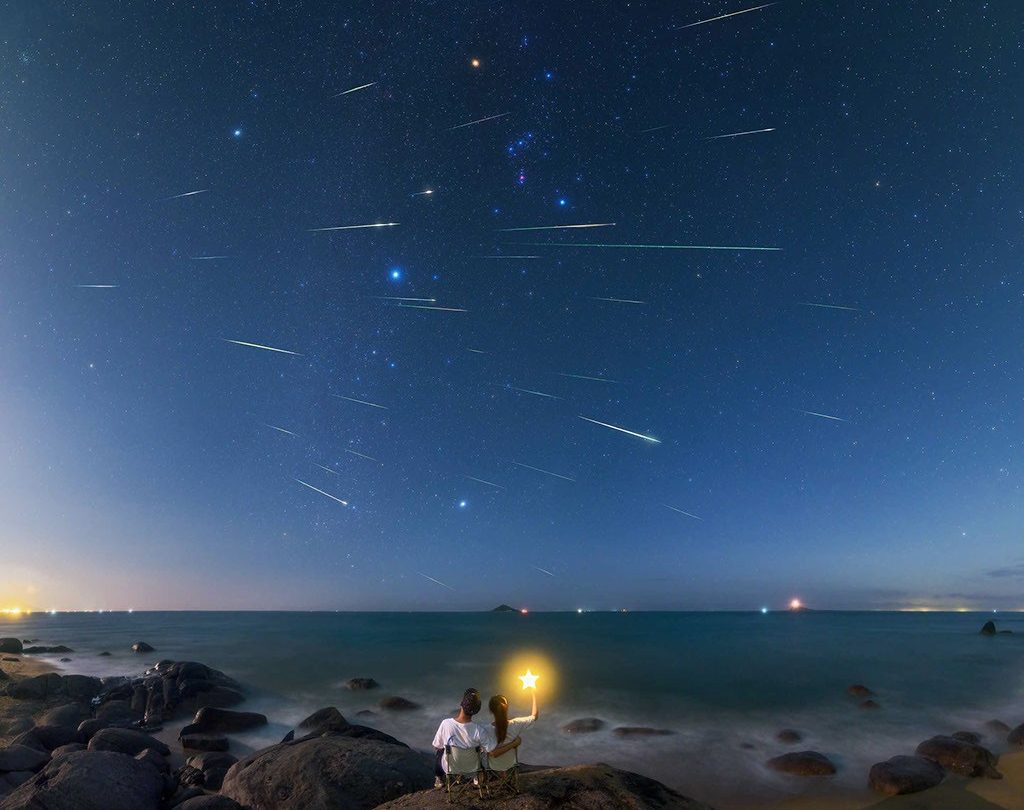
The Leonid meteor shower reaches its annual peak late Monday night, bringing up to 15 shooting stars an hour under dark skies.
Earth intersects the debris trail left by comet Tempel-Tuttle every November. The particles hit the upper atmosphere at about 43 miles per second, producing some of the fastest meteors of the year.
This year brings a quiet display. Observers across North America and Europe can expect a modest viewing experience rather than the thousands of meteors per hour recorded during peak storm years.
The shower reaches its regular maximum at 23:45 UTC on November 17, according to the International Meteor Organization (SNJ Today). This aligns with the overnight hours between Monday, November 16, and Tuesday, November 17, in North America, while European observers can catch the highest rates during the early hours of November 18 The Times of India.
The Moon is about 41 percent illuminated and reaches its first-quarter phase close to the peak date Around Prague. The Moon sets around midnight across most regions, so the pre-dawn hours will unfold under dark skies The Watchers.
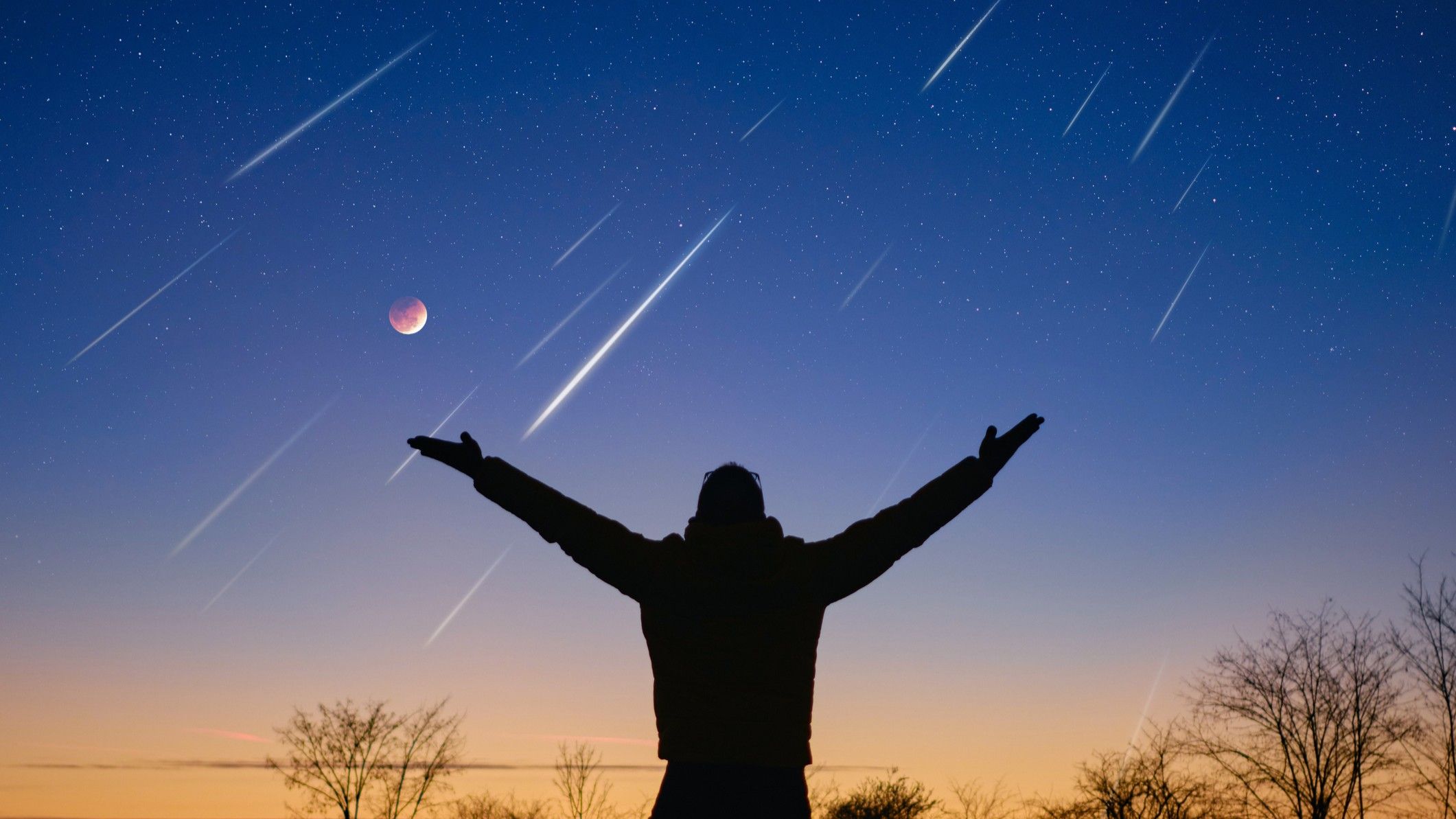
French meteor expert Jeremie Vaubaillon published forecasting models in Astronomy & Astrophysics alongside two colleagues. Meteors appear to originate from the area around the Sickle of Leo because the shower’s radiant sits in the constellation Leo.
Astronomers recommend traveling away from city lighting to rural areas. Ken Spencer, president of the Astronomical Society of Long Island, said dark surroundings are necessary Newsday.
Dark skies are really important. You’ve really got to get away from lights.
Ken Spencer, president of the Astronomical Society of Long Island
Spencer suggests locations such as Orient Point beaches or Robert Moses State Park. Cherry Springs State Park in western Pennsylvania offers certified International Dark Sky conditions Newsday.
Binoculars and telescopes narrow the field of view too much, so equipment is unnecessary. NASA advises viewers to “orient yourself with your feet toward the east, lie flat on your back, and look up, taking in as much of the sky as possible” NASA.
Observers should allow about 20 minutes for their eyes to adjust to the dark The Weather Channel.
Earlier in 1833, an enormous storm along the U.S. Eastern Seaboard produced so many falling meteors that residents woke to the belief that the sky was falling The Times of India.
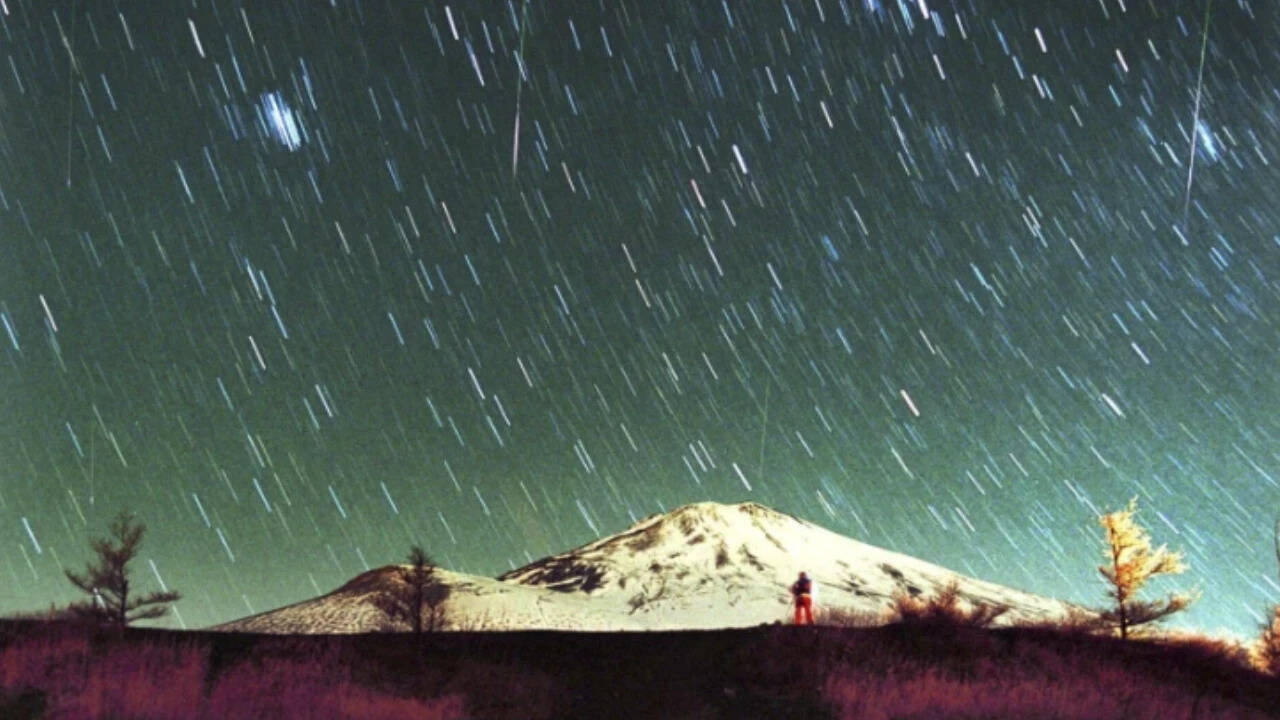
The comet returns in 2031 and 2064, alongside expected activity around 2033 and 2034. The American Meteor Society said that Earth will not encounter another dense cloud of Leonid debris until 2099.
“you can glimpse the real sky — that’s an astounding thing if you’ve never seen it,” Spencer said.