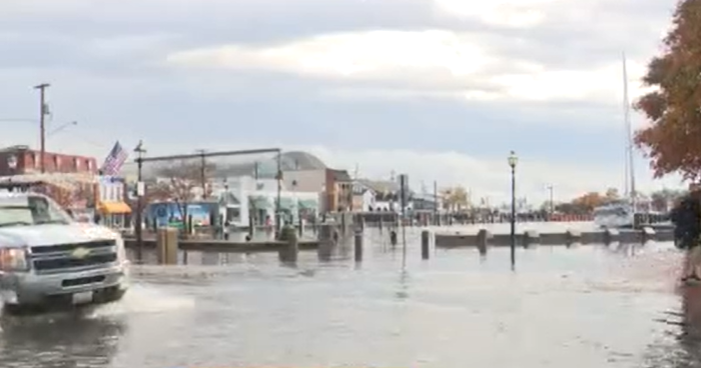
Maryland Allocates $5.7 Million to Shield Annapolis’ Historic Waterfront from Rising Tides
CBS News reported that Maryland has committed $5.7 million to Annapolis’ City Dock flood protection project, a critical step in safeguarding the state’s historic waterfront from escalating climate risks. The funding, part of the state’s Comprehensive Flood Management Program, shows the urgency to protect coastal communities as sea levels rise and extreme weather events intensify. For Annapolis, a city where 18th-century architecture meets modern commerce, this investment is both a preservation effort and an economic lifeline.
The project, part of a broader $33 million resilience initiative, aims to mitigate tidal flooding from the Chesapeake Bay and stormwater surges during heavy rains. Wes Moore emphasized the dual goals of economic stability and environmental stewardship, stating, “By investing in flood protection for historic downtown Annapolis, we are not only preserving a waterfront central to our state’s identity, but also securing our economy from costly damage that threatens small businesses and local jobs.”
The Scale of the Challenge: A City on the Edge
Annapolis, Maryland’s capital, sits at the confluence of the Severn River and the Chesapeake Bay, making it particularly vulnerable to flooding. The new underground pumps, capable of removing 10,000 gallons of stormwater per minute—a 100-fold increase over previous capacity—highlight the project’s ambitious scope.
“This grant directly supports high-impact flood defense and infrastructure upgrades to safeguard local businesses, preserve our historic assets, and deliver a resilient, world-class waterfront for generations to come,” said Maryland Department of the Environment Secretary Serena McIlwain. The project’s completion by July 2027, as announced by Mayor Jared Littmann, marks a pivotal milestone for a city that has long grappled with the dual pressures of climate change and urban development.
Who Benefits—and Who Bears the Cost?
The immediate beneficiaries are Annapolis’ waterfront businesses, which have faced repeated disruptions from flooding. Restaurants, retail shops, and tourism-related enterprises, which contribute significantly to the local economy, now have a fighting chance to thrive. However, the effects extend beyond the city’s borders. As the Chesapeake Bay region experiences increasing climate volatility, Annapolis’ efforts could serve as a blueprint for other coastal communities.
“Protecting historic downtown Annapolis from the rising impacts of sunny day flooding and severe storms is an investment in Maryland’s bright economic future,” said Maryland Department of the Environment Secretary Serena McIlwain.
A Historical Precedent: Lessons from the Past
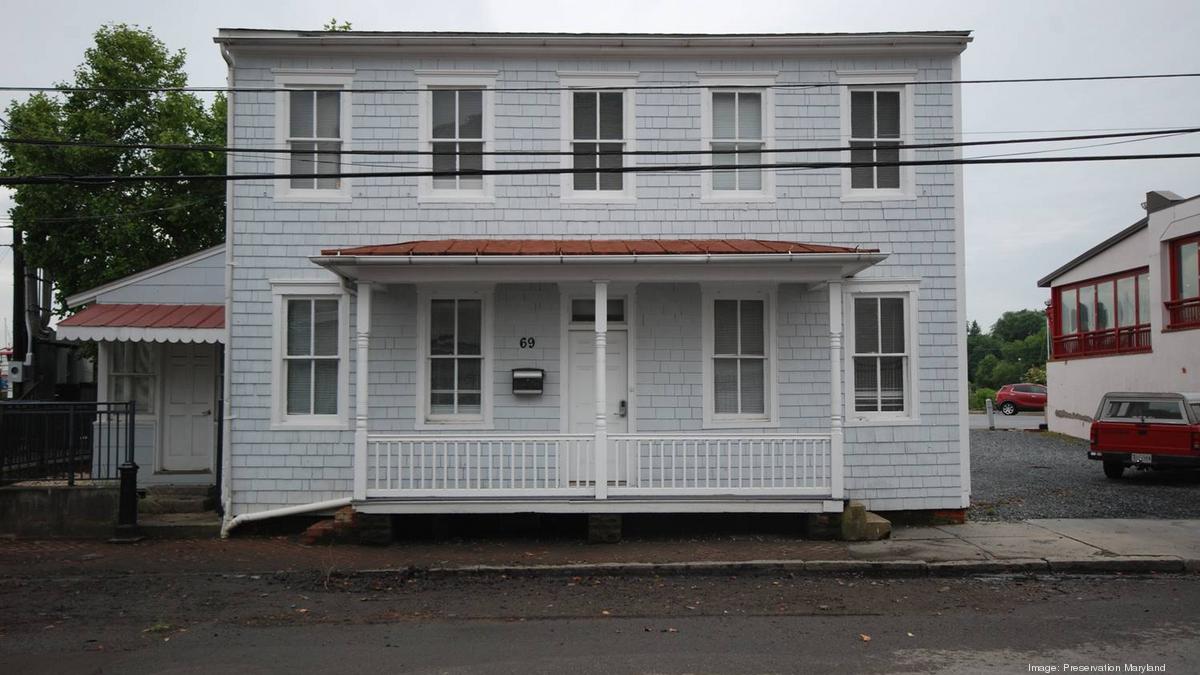
The project’s design includes the restoration of the Burtis House, a 1790s-era structure, and the creation of a Maritime Welcome Center, blending cultural heritage with modern resilience.
Historically, Annapolis has been a focal point for maritime innovation. During the 19th century, it was a hub for shipbuilding and naval operations. Today, its waterfront is a major tourist destination, drawing over a million visitors annually. The flood protection project, therefore, is not just about preventing damage—it’s about maintaining the city’s economic and cultural vitality in the face of climate change.
The $5.7 million state grant is part of a $93 million total investment, with the remaining funds sourced from federal grants and local contributions.
City Dock Resilience Project Builds Flood Barriers
The construction of flood barriers and pumping systems is part of the City Dock Resilience Project.
The Road Ahead: A Test of Resilience
As Annapolis approaches the 2027 deadline, the project’s success will hinge on its ability to adapt to unforeseen challenges. The city’s leaders have already noted that early phases of the project, completed in 2023, have reduced tidal flooding significantly. However, the final stages—particularly the upgrade of the stormwater pumping system—will be critical in determining the project’s long-term effectiveness.
For now, the state’s investment signals a commitment to coastal resilience that extends beyond Annapolis.
The coming years will reveal whether this $5.7 million down payment on resilience is enough. But for Annapolis, the stakes are clear: the preservation of its heritage, its economy, and its place as a beacon of coastal innovation in a changing world.