The NBA’s Injury Crisis Reshapes Trade Season Before It Begins
In October, the NBA’s trade season is already in flux. Less than a week into the regular season, a cascade of high-profile injuries—Jalen Williams, Cason Wallace, Jaren Jackson Jr., Tyrese Haliburton, Kawhi Leonard, Anthony Edwards, and Paolo Banchero—has upended the league’s usual rhythm. The market, typically dormant until December 15, is now a battleground of speculation and recalibration. For the first time in years, the league’s most strategic minds are forced to rethink their approach to a season that hasn’t even reached its first major crossroads.
What’s at stake? As the league scrambles to adapt, the question isn’t just who will be moved—but who will survive the chaos.
Oklahoma City’s Unlikely Shift from Builder to Buyer
Oklahoma City has been a disciplined architect of trade. They traded Paul George to the Clippers when they had them at their mercy during Kawhi Leonard’s free agency. But this season, Sam Presti’s team is facing a paradox: a roster built for long-term patience now requires immediate action. With injuries and their defensive backbone fractured, the Thunder are no longer the patient stewards of assets—they’re buyers.
This shift isn’t just about filling gaps. It’s about survival. The Thunder’s reliance on players like Alex Caruso and Shai Gilgeous-Alexander has left them vulnerable with injuries in the league.

The urgency is compounded by financial constraints. The Thunder’s financial limitations are significant, with no room for error.
Lakers, Nuggets and Timberwolves Scramble to Adapt
The ripple effects of Oklahoma City’s vulnerability are spreading. The Lakers, Nuggets, and Timberwolves—teams once poised to challenge the Spurs and Rockets—are now scrambling to adapt. The Lakers, down to a single tradable first-round draft asset, a 2032 first-round swap, have $8 million in first apron hard cap room but no clear path to add a top-tier wing. The Nuggets, meanwhile, face a logistical nightmare: their 2031 first-round pick is a valuable asset, but their bloated roster, including the Christian Braun contract, makes it nearly impossible to trade for a star.
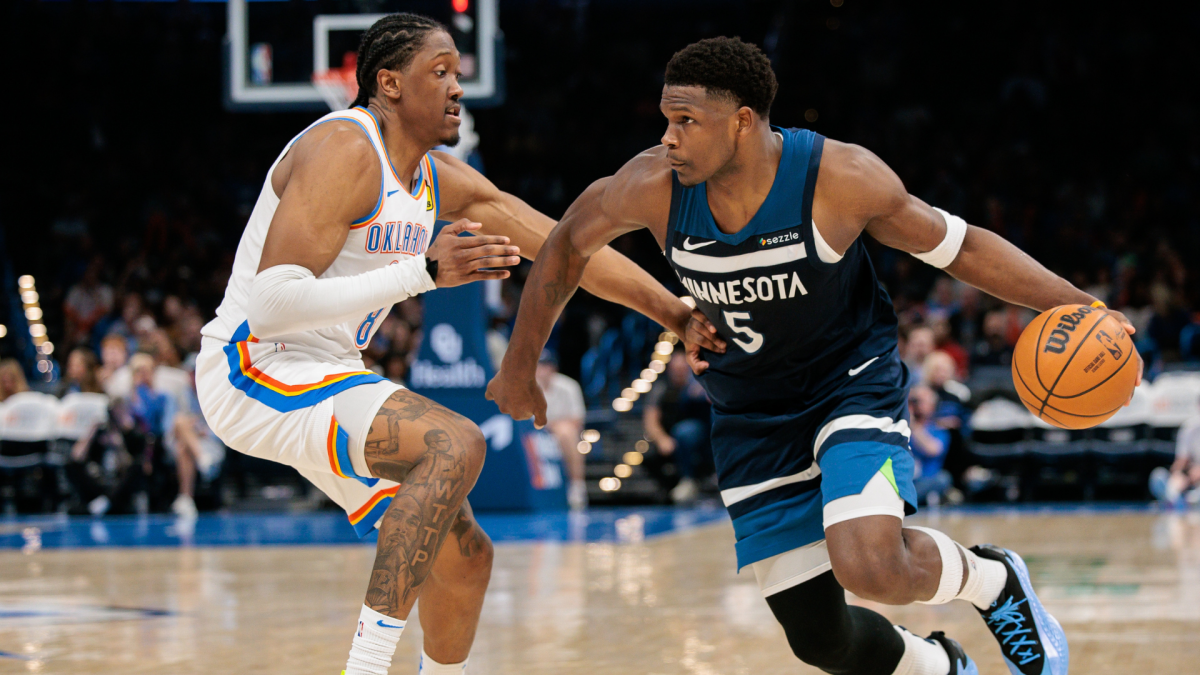
Minnesota’s situation is even murkier. With Anthony Edwards injured and Rudy Gobert in his 34th season, the Timberwolves must weigh the cost of a playoff push against the risk of wasting a prime window.
Meanwhile, the Houston Rockets are thriving in the chaos. Their 5-0 start, fueled by Alperen Sengun’s dominance and a deep bench, has positioned them as the season’s unexpected power. With cap space and a surplus of draft picks, Houston is in a unique position to dictate terms. The Rockets now have “the leverage to outbid any rival suitor for just about any theoretically available player.”
Eastern Teams Wait for Trade Market Clarity
While the West is in turmoil, the East remains eerily quiet. Teams like the Raptors, Pacers, and Magic are waiting for clarity as injuries in Oklahoma City and San Antonio affect the trade market. The Raptors, for instance, are evaluating RJ Barrett’s fit while Kawhi Leonard is injured. The Pacers, without Tyrese Haliburton, are unable to assess the effectiveness of their new center pairing. And the Magic, still reeling from Paolo Banchero’s third October or November injury, are running out of options.
This stagnation is a double-edged sword. On one hand, it gives Eastern teams more time to plan. On the other, it means they’ll be playing catch-up when the West’s trade activity inevitably accelerates.
A Seller’s Market, But Who’s Selling?
The NBA’s trade market is in uncharted territory. With a limited number of “obvious sellers”—the Kings, Pelicans, Nets, and Bucks—the competition for assets is intensifying.
But the real question is: who’s buying? The Rockets and Timberwolves have the resources, but the Thunder and Clippers are also in play. The market’s unpredictability is a direct result of the injuries. “There are inevitably going to be teams that outperform their on-paper talent because the schedule just got a bit easier.” That’s a dangerous proposition for teams relying on traditional metrics.
The financial implications are staggering. For teams like the Nuggets, already over the second apron, the risk is even higher.
NBA Teams Face a Test of Adaptability
The season is shaping up to be a test of adaptability. Teams that once relied on rigid strategies now face unpredictable conditions where injuries can upend planning. The Thunder’s shift from builder to buyer, the Rockets’ unexpected rise, and the East’s cautious wait are all symptoms of a league in flux.
For fans, this means more drama, more surprises, and a clearer view of how the NBA’s most strategic minds operate. For players, it means opportunities—and risks. And for the league itself, it’s a reminder that even in a world of data and analytics, the human element remains the most unpredictable variable.
The trade season hasn’t even started, but the story is already being written. Who will emerge as the winners? Who will be left behind? The answers won’t come from spreadsheets or projections. They’ll come from the choices made in the next few weeks—and the ones that follow.