Alaska division of elections prepares ballots under historic scrutiny
Alaska is heading toward what could be its most contentious and watched election yet, placing the state’s Division of Elections under an intense national spotlight as voters cast ballots in a race that could determine the balance of power in the Senate.
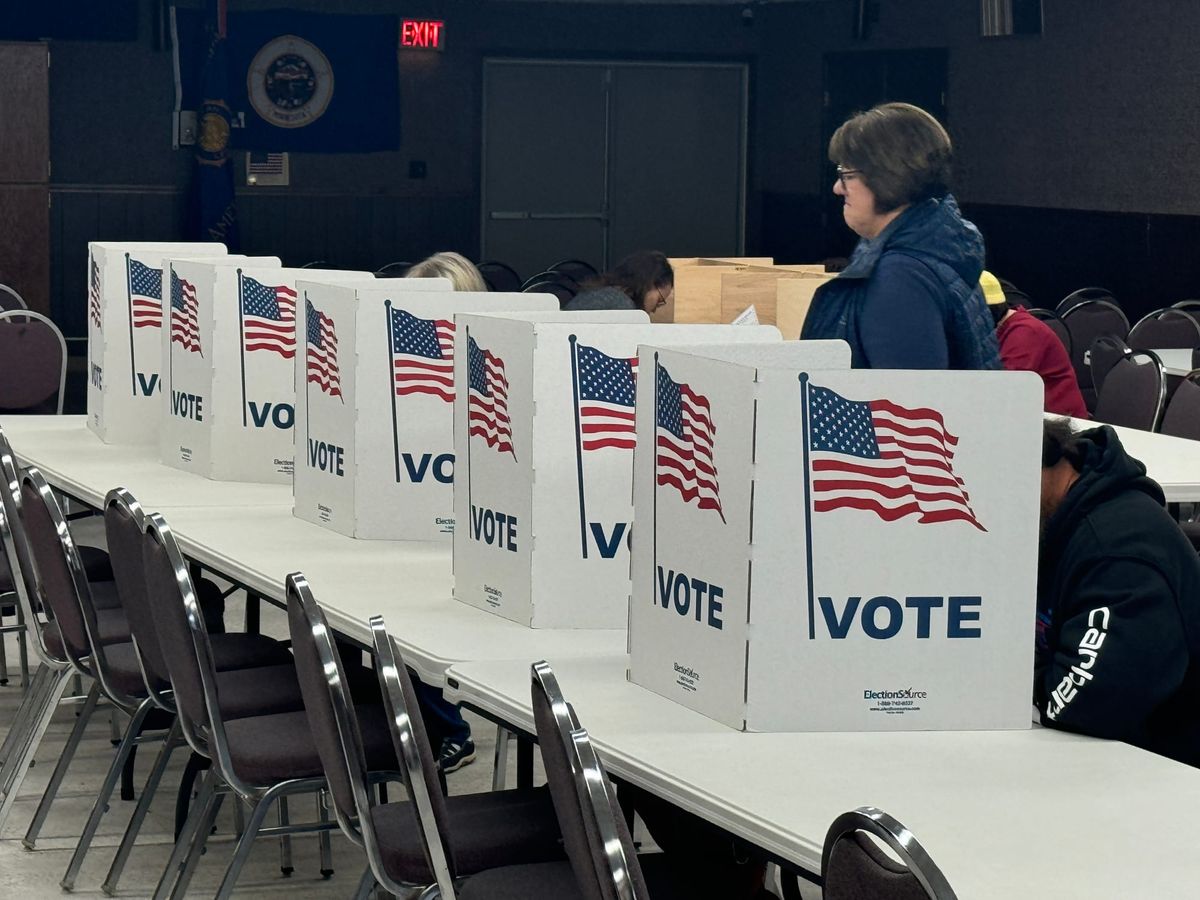
Voters are heading to the polls in droves, undeterred by long lines, rainy weather, or the heavy media storm surrounding the state’s congressional races, according to reporting by KTUU. Statistics from early voting show participation rates reaching historic highs for Alaska, driven by a tight battle between incumbent Republican Sen. Dan Sullivan and challenger Mary Peltola.
Division details secure ballot transport and paper trails
To address growing concerns over ballot integrity, the Division of Elections released a media advisory detailing how votes are transported to the agency’s office in Juneau. Security systems and cameras monitor locked rooms where voting machines, keys, and ballots are secured behind doors equipped with tamper-proof seals. Federal and bipartisan experts test, examine, and certify all voting equipment as secure prior to purchase.
Unlike other states, Alaska utilizes paper ballots, which the Division of Elections describes as one of the most secure forms of voting because they provide a physical paper trail that can be followed and utilized during reviews and audits.
“The randomly selected precinct must account for at least 5% of the total votes cast in each of the 40 house districts,” the Division of Elections stated regarding post-election audits conducted by a state review board. “If there is a discrepancy of more than 1% in the hand-count verification, a hand count of all the ballots cast in the district is mandated.” “This has never happened.”
National media presence and ranked-choice voting
Isabelle Schmeler, a county captain for NBC News sent to Juneau ahead of election day to observe the process firsthand, noted that Alaska has become the epicenter of where the control of Congress will go. That status has brought a new level of scrutiny to the state’s electoral system, particularly regarding ranked-choice voting.
Lawrence Norden, vice president of the Elections and Government Program at the Brennan Center, acknowledged that many voters remain unfamiliar with Alaska’s voting system. Because Alaska is a large state, transporting ballots takes time, meaning final tallies will not arrive until Nov. 18.
“There’s going to be that two-week period where people are asking a lot of questions,” Norden said, adding that it is important for everyone, including candidates, to explain the system and the security measures in place, and to urge people to be patient.
Lawsuits and investigations surround duplicate candidate ballot issues
This election cycle has faced various hurdles, including the presence of two Dan Sullivans on the ballot. A recent report by The New York Times claimed the Peltola campaign pushed for Dan J. Sullivan to run for Senate, prompting Governor Mike Dunleavy to announce a criminal investigation. Meanwhile, a federal judge dismissed a Department of Justice lawsuit seeking to isolate ballots involving both Sullivans to determine voter confusion.
Despite these disputes, Norden noted that Alaska operates under established rules that, when followed, ensure certification, mirroring processes seen in challenges across the country.