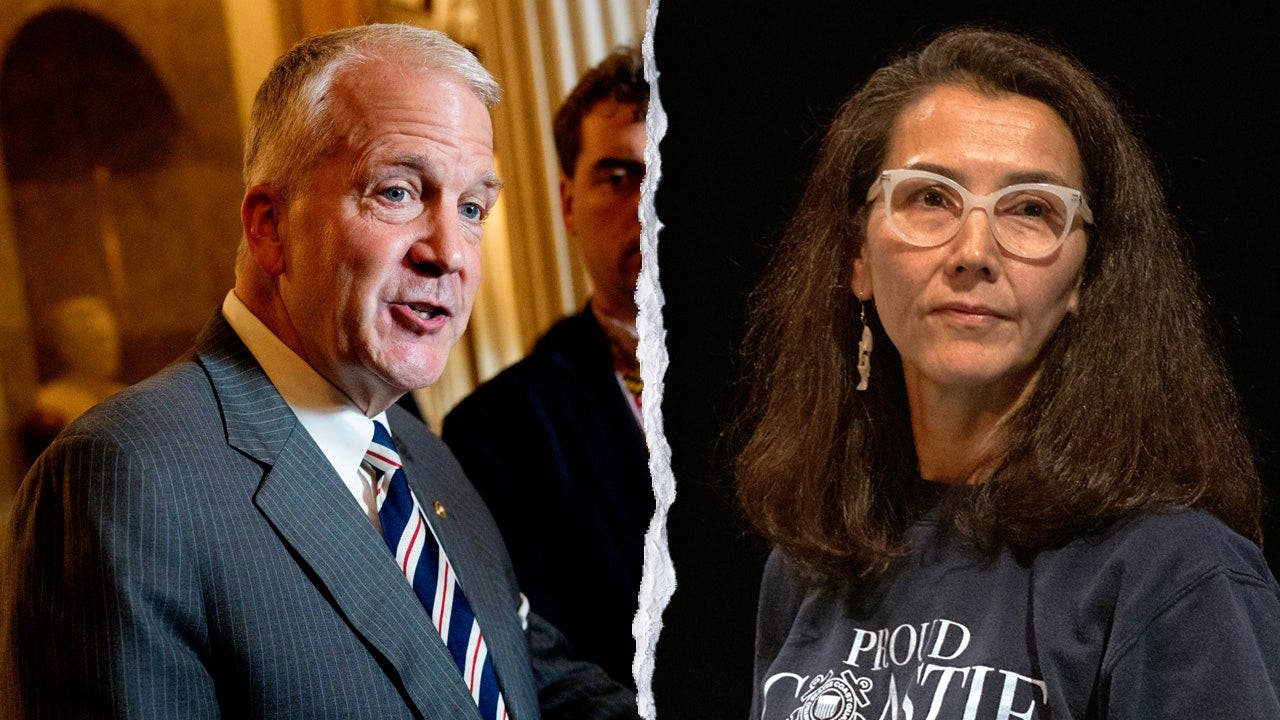
The Unexpected Fight for Lindsey Graham’s Senate Seat in South Carolina
For decades, a U.S. Senate race in South Carolina for the late Lindsey Graham’s seat was a predictable affair for the state’s dominant Republican Party. But following Graham’s sudden death in July and the subsequent elevation of his sister, Darline Graham, local politics have completely changed. Supporters of Democrat Annie Andrews can now envision something that seemed impossible through years of double-digit GOP wins: flipping a Senate seat in one of the nation’s most reliable conservative strongholds.
Whoever claims victory will make history as the first woman elected to represent South Carolina in the U.S. Senate. Yet that milestone has taken a backseat to whispers and predictions that Andrews could become the first Democrat since 1998 to win a statewide race for the U.S. Senate or the governor’s office.
From Family Tragedy to a Stand-In Senator
Darline Graham has openly described herself as a reluctant candidate, thrust into the spotlight after her brother passed away while seeking his fifth term. Republican Gov. Henry McMaster appointed her to finish the remainder of her brother’s term—a move widely hailed given their close bond. Lindsey Graham had helped raise his younger sister following the early deaths of their parents.
The decision to seek a full six-year term in a snap primary organized just a month later drew some of the top names in South Carolina politics. President Donald Trump strongly backed Darline Graham, viewing her brother as an ally during his second White House term, particularly regarding policy concerning Iran. As Darline Graham battled U.S. Rep. Ralph Norman in a primary runoff, Trump campaigned for her in the state multiple times.

That presidential backing, however, appears to be eroding support from both flanks. Independent voters wary of Trump’s second term and right-leaning Norman supporters who resented presidential interference have expressed deep reservations. Critics point to her political inexperience and worry about the prospect of establishing a Graham family political dynasty.
Struggles on the Campaign Trail and Outside Reinforcements
The friction came to a head during a primary debate when Graham was asked whether the United States maintains a national security interest in Taiwan and the South China Sea. After struggling to answer, she admitted plainly, “National security is not my thing.”
The misstep prompted national Republican organizations to reshuffle resources. Senate Republicans’ primary super PAC dispatched reinforcements to South Carolina to shore up support, even as party leaders insisted they remained confident in holding the deep-red seat. A New York Times/Siena poll conducted in October appeared to show a close race.
Andrews Retools Her Strategy for the General Election
Democrat Annie Andrews was already campaigning and had secured her primary win when Lindsey Graham died, forcing a sudden pivot from a strategy designed to oust an entrenched incumbent. Andrews has capitalized on South Carolina’s position at the front of Democrats’ 2028 presidential nominating calendar, drawing visits from high-profile figures like former Transportation Secretary Pete Buttigieg and Arizona Sen. Mark Kelly.
In the final weeks, Andrews has maintained an independent posture, rarely appearing alongside prominent national Democrats. She has anchored her message on economic anxiety, arguing that Graham represents the same entrenched Washington network that serves itself rather than local families. During their sole debate last month, the candidates sparred over the economy, artificial intelligence, and war with Iran, spending much of the night arguing over who was less qualified for the seat.
While historic spending and sharp polarization defined Lindsey Graham’s 2020 reelection victory—which he secured by a 10-percentage-point margin against Democrat Jaime Harrison—this cycle’s unusual dynamics have brought South Carolina politics into uncharted territory.