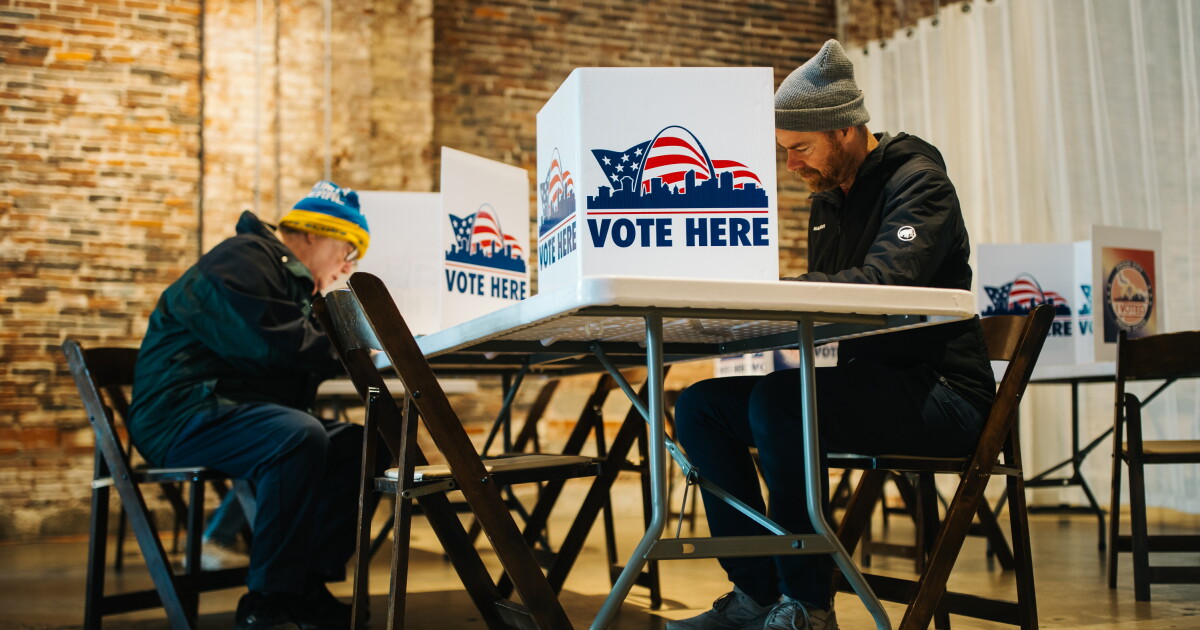
Alaskans are heading to the polls to decide Ballot Measure 2, marking their third vote on this set of election reforms that includes ranked choice voting, open primaries, and a campaign finance disclosure rule. The system under review was adopted by a very slim margin in 2020 and barely survived a recall attempt in 2024.
What Ballot Measure 2 Proposes to Change
The current measure seeks a full repeal of the voter-approved reforms from 2020. If successful, the repeal will get rid of ranked choice voting, drop the nonpartisan primary election, and remove certain “dark money” disclosure requirements for political contributions.
Under the repeal, voters would fill in one bubble per race. The nonpartisan primary election would be replaced. Political parties would have their own ballots and voters would choose which ballot they want. Party bylaws could say you have to be registered with that party to get their ballot. They could also allow unaffiliated voters to have it. Or a party could say any legitimate voter can vote in its primary.
The Battle Over Dark Money and Transparency
Under the rules passed by voters in 2020, intermediary organizations must reveal the “true source” of any financial contributions exceeding $2,000.
For instance, public filings in the Alaska Public Offices Commission database reveal that Elon Musk contributed $1.5 million to the “Yes on 2” campaign—also known as Repeal Now—through an intermediary group called Aurora Action Network. Without the true-source disclosure rules, the public would only know that Aurora Action Network is the biggest contributor to Repeal Now, obscuring the identity of the world’s richest person behind the funding.
ALASKA BALLOT MEASURE 2: WHAT WOULD REALLY CHANGE?On November 3, Alaska voters will decide Measure 2. It's often described as a vote to repeal ranked-choice voting (RCV), but the proposal also changes primaries and campaign-finance rules.WHAT EXISTS TODAY:Alaska voters…
On the opposing side, the campaign defending the current system, No on 2, has raised more than $10 million as of the start of October. Major contributions to this defense effort have come from people in the Lower 48, including former New York Mayor Michael Bloomberg, Kathryn Murdoch, and Kimbal Musk, brother of the world’s richest person.
Arguments For and Against the Status Quo
Anchorage attorney Scott Kendall, the architect of the system, says the most important part is the open, non-partisan primary. He says it lessens the parties’ grip on selecting candidates and could diminish hyperpartisanship. He says he decided on a top-four primary to give general election voters meaningful options. To him, ranked choice served as a mechanism to winnow down the four candidates and prevent any spoiler effect, eliminating the necessity for a separate runoff vote.

Conversely, opponents say ranked choice is confusing and deters people from going to the polls. They say the added step of tabulating the rankings causes public distrust in election results. Sen. Lisa Murkowski a poster child for what’s wrong with the nonpartisan primary.
As the debate continues, the outcome of Ballot Measure 2 will determine whether Alaska maintains its election model.
More on Ballot Measure
Alaska voters get a second shot at ranked-choice voting on Nov. 3.Ballot Measure 2 would repeal the state's top-four primary and ranked-choice general election, and bring back partisan primaries and single-choice general elections. It would also roll back several… pic.twitter.com/lkdA9QZG1A