A Wrong-Way Crash and the Questions Left in Its Wake
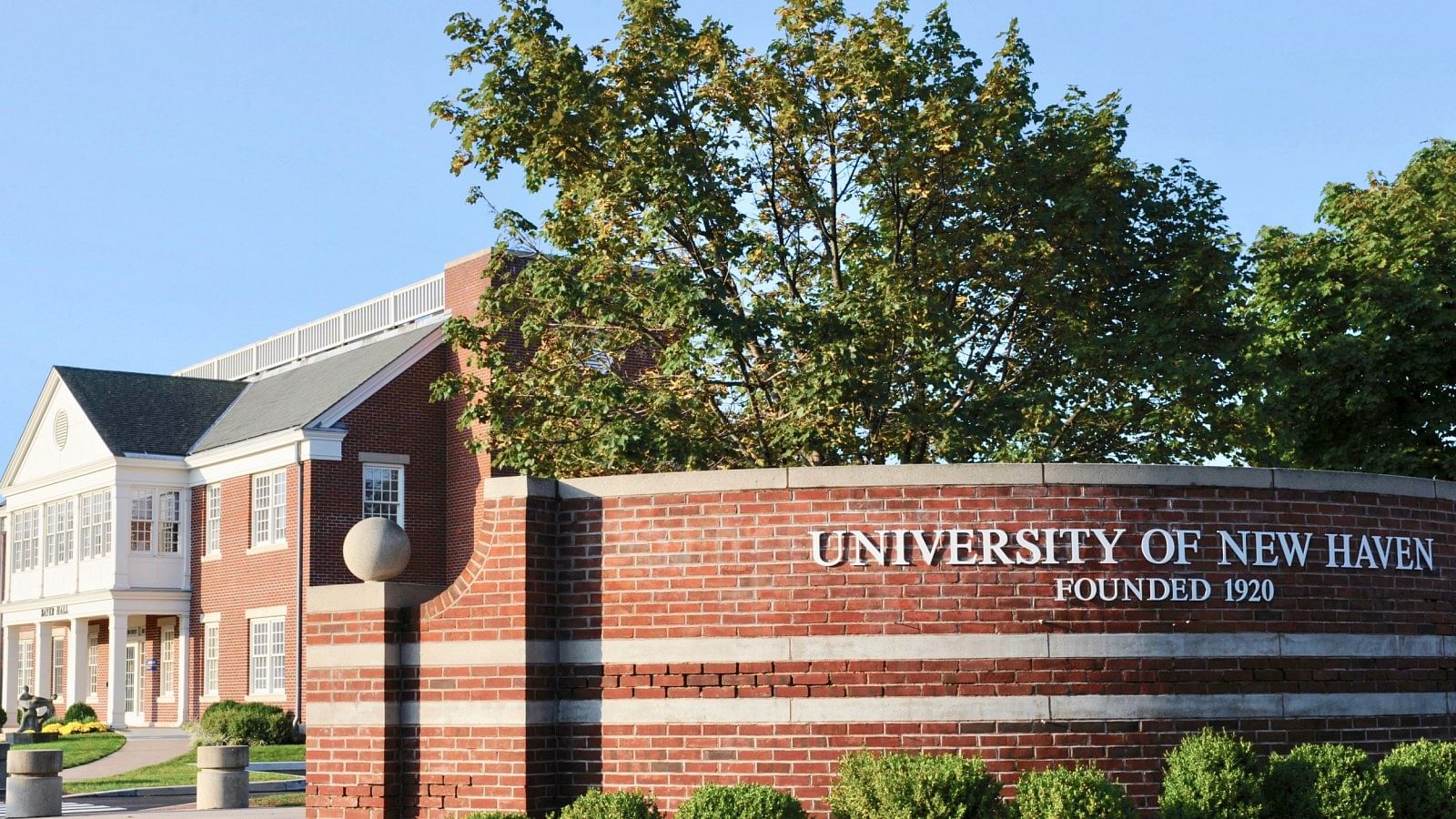
On the night of October 16, a routine drive down Interstate 91 in North Haven, Connecticut, turned into a tragedy that cut short the life of a 21-year-old student. Ryan O’Shea, a senior at the University of New Haven and a captain of the school’s men’s club hockey team, was heading south in his Honda Accord when a Chevrolet Silverado traveling the wrong way slammed into him head-on. The force of the collision pushed O’Shea’s vehicle into the path of other traffic, leading to a multi-vehicle accident that left the aspiring police officer dead at the scene.
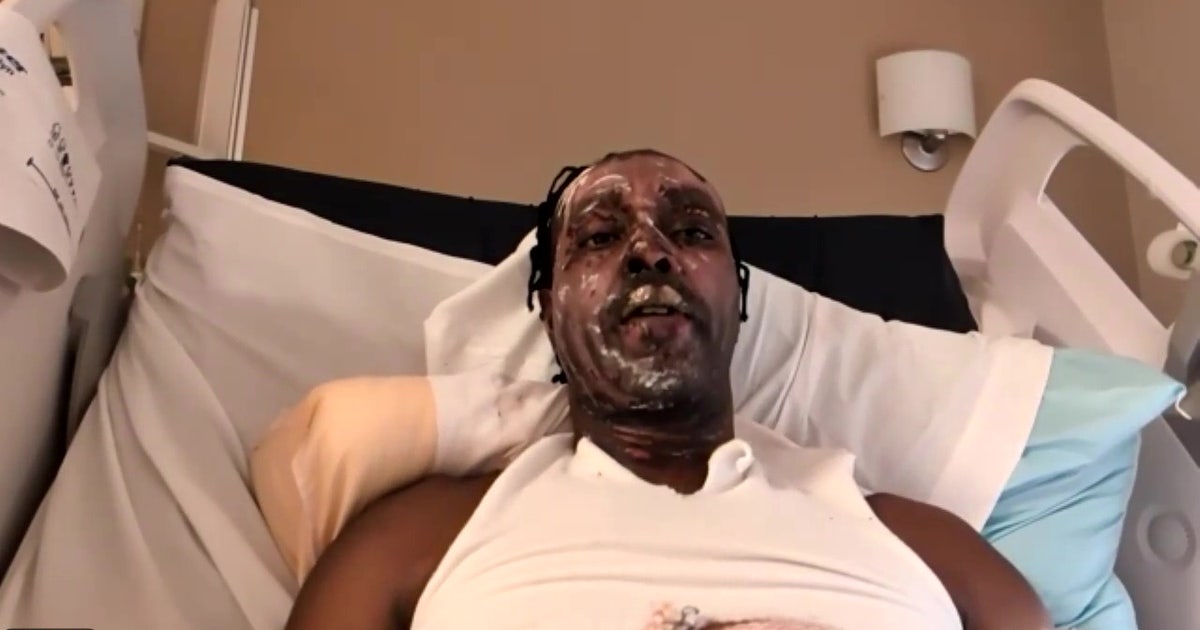
The driver of the Silverado, 31-year-old Guillermo Carmona-Lopez of Bridgeport, survived the crash with serious, life-threatening injuries and remains hospitalized. As investigators from the Connecticut State Police Collision Analysis and Reconstruction Squad piece together the final moments of that night, the focus has shifted toward the background of the driver responsible for the wrong-way collision.
The DHS Record on Guillermo Carmona-Lopez
According to Department of Homeland Security records provided to Fox News Digital, Carmona-Lopez is a Mexican national who has been subject to multiple immigration enforcement actions over the last decade. Federal officials confirmed that Border Patrol first apprehended him in May 2013 following an illegal entry into the United States. At that time, he was processed for expedited removal and sent back to Mexico.
Aspiring NYPD officer killed by twice-removed illegal immigrant in tragic Connecticut car crash• Ryan O'Shea, a University of New Haven senior studying police science, was returning from a game on Interstate 91. https://t.co/puDyMhsZSo
The records indicate that his presence in the country was brief; he was arrested by Border Patrol again in the same month after reentering the U.S. near the Rio Grande Valley. On May 30, 2013, he was issued a final order of removal. Despite this legal mandate, he managed to reenter the country again at an unknown time and location. A DHS spokesperson noted regarding the case, “Under President Trump and Secretary Mullin, if you break the law, you will face the consequences. Criminal illegal aliens are not welcome in the U.S.”
A Future Lost in Public Service
For those who knew Ryan O’Shea, the loss extends far beyond the statistics of a traffic report. O’Shea was a criminal justice major with a concentration in police science, fueled by a clear professional ambition. He had spent his recent summer as an intern with the New York City Police Department, an experience that solidified his resolve to eventually join the force and later pursue a career with the Drug Enforcement Administration.

His academic advisor, Lorenzo Boyd, described a student deeply committed to his community. “Ryan wanted to go into public service in order to help others,” Boyd said in a tribute released by the university. “He was engaging in the classroom and will be missed greatly.”
The sentiment was echoed by his peers. Devin Bertrand, the general manager of the men’s ice hockey club, remembered O’Shea for an “infectious personality” that changed the atmosphere of the locker room. As the president of his Kappa Sigma fraternity chapter, O’Shea was returning from a hockey game at the time of the crash. His fraternity brothers characterized him as a leader who could “light up a room and make people laugh, no matter the time.”
Aspiring NYPD officer killed by twice-removed illegal immigrant in tragic Connecticut car crash https://t.co/FFPu4vRD2R pic.twitter.com/GZ6cAhZipp
The Ongoing Investigation
While the state police investigation into the mechanics of the crash continues, the incident has highlighted the persistent complexities surrounding immigration enforcement and public safety. The collision involved a total of three vehicles, with three other individuals sustaining minor injuries. The investigation remains active as authorities work to determine the specific circumstances that led Carmona-Lopez to be traveling the wrong way on Interstate 91.
For the University of New Haven community and O’Shea’s family in Stony Point, New York, the focus remains on the sudden absence of a young man who had spent his college years preparing for a life dedicated to protecting the public. The legal proceedings regarding Carmona-Lopez are expected to follow his recovery, marking the next phase in a case that has drawn national attention to the intersection of border policy and local tragedy.