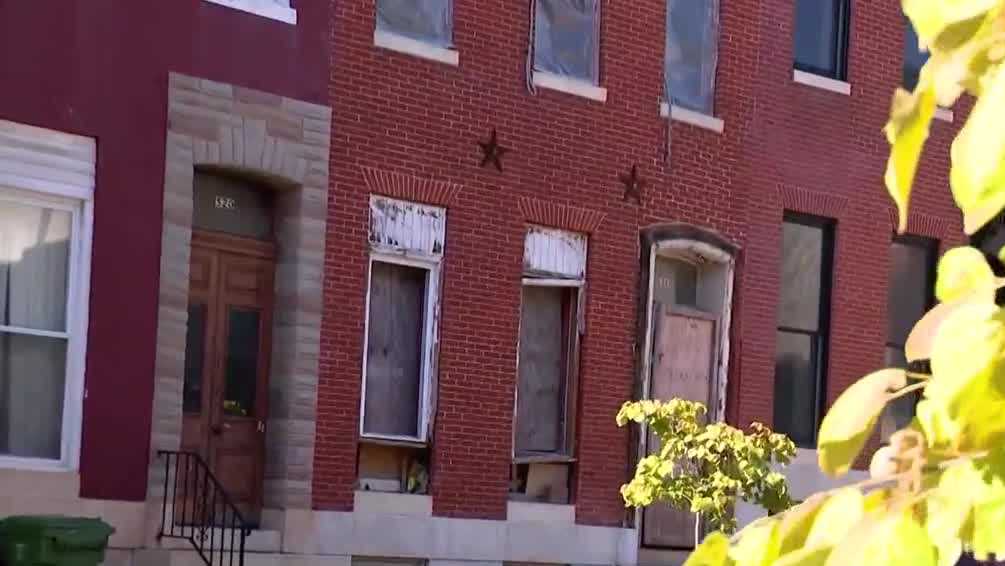
A new documentary screening at the Reginald F. Lewis Museum this Friday, titled Baltimore Heirs: The Last Deed Undone, is pulling back the curtain on a quiet housing crisis: the prevalence of heirs’ property.
The Hidden Mechanics of Housing Instability
Heirs’ property occurs when a homeowner dies without a will or formal estate planning, leaving the title in the name of a deceased relative. Because the legal transfer—the probate process—never occurred, the living descendants often lack the legal standing to access public home repair grants, property tax credits, or necessary loans. As Nneka N’Namdi, director of vision and innovation at the SOS Fund, points out, this administrative bottleneck is a primary driver of neighborhood decline.
“Heirs’ properties are connected to vacancy because a lot of times when heirs aren’t able to get access to tax credits, to home repair programs, or to loans necessary to pay off existing loans, they abandon their properties and the properties just sit vacant over time,” N’Namdi said.
The SOS Fund has identified approximately 7,000 properties across Baltimore that likely fall into this category. When a family cannot prove ownership, they are effectively locked out of the financial systems designed to preserve housing stock, often leading to the very vacancy issues the city has struggled to address for years.

The Generational Wealth Gap
The economic stakes of these “hidden” titles are significant. For many families, the family home represents the primary vehicle for generational wealth. When a deed remains in the name of a deceased grandparent, the asset becomes "tangled," making it nearly impossible to sell, renovate, or use as collateral for credit. Danielle Meister, assistant secretary for homeless solutions at the Maryland Department of Housing and Community Development, emphasizes that this is often a crisis that remains invisible until it is too late.
The issue disproportionately impacts communities where formal legal services may be inaccessible or where distrust of the probate process has persisted for generations. Without a clear chain of title, families are vulnerable to predatory tax sales and partition actions, where a single heir can be forced to sell the entire property against the wishes of the other family members.
Homeowners Secure Property Titles Through Estate Planning
While the problem is systemic, officials are pointing toward proactive estate planning as the most effective defense. Meister suggests that homeowners must prioritize creating a will that explicitly names their beneficiaries. Residents can currently verify the status of their property titles by searching land records through the Maryland State Archives. A new provision under state law, which became available earlier this month, now allows homeowners to designate an intended beneficiary at the time of purchase, a move intended to streamline future transfers.
The screening of Baltimore Heirs: The Last Deed Undone serves as both an educational touchstone and a fundraiser. Proceeds from the event will support the SOS Fund’s ongoing efforts to help Baltimoreans navigate property taxes, water bills, and the complex legal education required to secure their deeds. The event also featured a fireside chat with bestselling author Ta-Nehisi Coates, drawing attention to the intersection of housing justice and the broader economic landscape of the city.
Ultimately, the crisis of heirs’ property suggests that the path to neighborhood stabilization in Baltimore is as much about legal infrastructure as it is about physical construction. As the documentary highlights, the last deed undone is often the first step toward losing a home that has anchored a family for decades.



