
As of late 2026, the question of who holds the franchise in American elections remains a patchwork of federal mandates and localized experimentation. While federal law has firmly barred noncitizens from participating in presidential, Senate, and House elections since 1996, the authority to govern local contests—such as school board races or municipal referenda—has become a quiet but intense battleground for state legislatures and city councils alike. For the millions of noncitizens living in the U.S., these local policies represent a direct path into the civic life of their neighborhoods, even as a growing number of states move to codify citizenship requirements into their constitutions.
National Voter Eligibility Rules
The distinction between federal and local participation is the pivot point for this entire debate. According to data tracked by Ballotpedia, federal law prohibits noncitizen voting in any federal election, and every state that registers voters requires them to attest to their U.S. citizenship. Yet, the legal architecture of the United States leaves the door slightly ajar for municipalities to define their own electorates. The Pew Research Center reported that as of 2023, there were approximately 28 million noncitizens in the country, including 11.9 million permanent residents and 14 million individuals without legal status. For advocates, this population represents a stakeholder group with a vested interest in local public schools and safety. For opponents, the practice is a dilution of the fundamental rights reserved for citizens.
The Municipal Exception in Maryland and California
Nowhere is this local variation more visible than in Maryland. Because the Constitution of Maryland grants municipalities broad authority to set their own voter qualifications, a significant number of towns have opted for inclusivity. Hyattsville and Cheverly allow residents to vote in local elections regardless of citizenship status. The Town of Cheverly, for example, opens its ballot to any person over 16 who has been a resident for at least 30 days, provided they have not been convicted of a disqualifying crime.
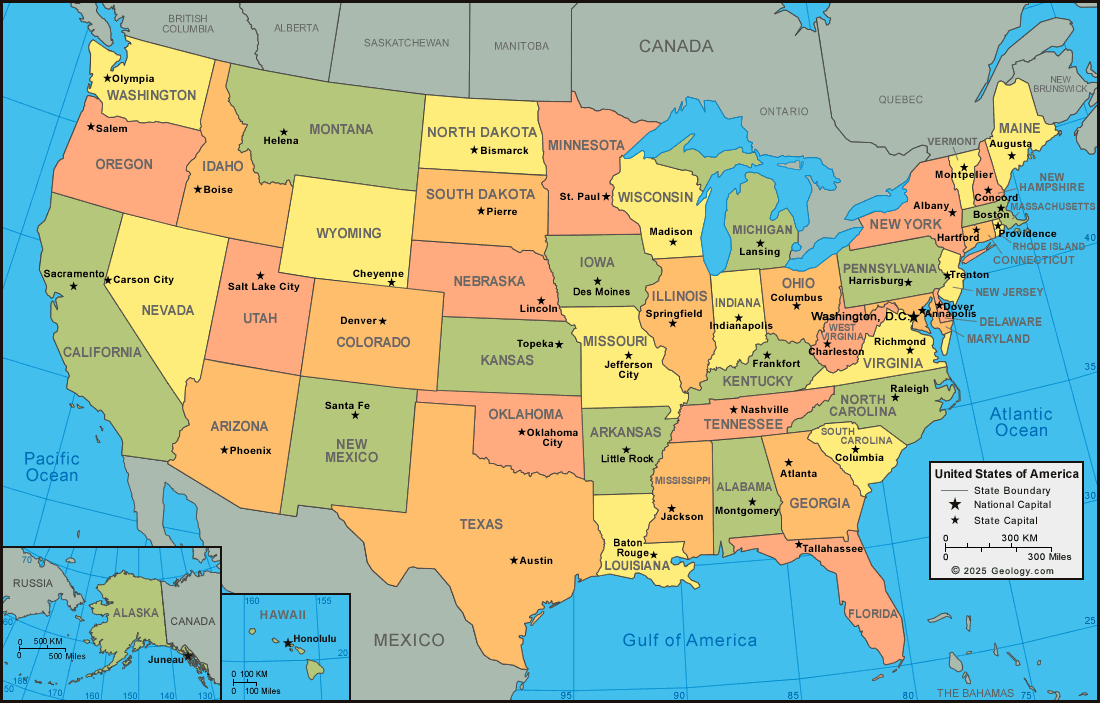
California has seen a more litigious path. In 2016, San Francisco voters passed Proposition N, which allowed noncitizen parents and guardians to vote in Board of Education elections. The policy faced a stiff legal challenge, and in 2022, a Superior Court judge struck it down, ruling that the California Constitution reserves the right to vote for U.S. citizens. However, that decision was short-lived. A California Court of Appeal overturned the ruling later that year, concluding that the city charter’s provision was permissible. The City of San Francisco continues to maintain this program today.
The Counter-Movement in State Legislatures
While some cities expand access, most of the country is moving toward restriction. In 2024, eight states passed ballot measures explicitly prohibiting noncitizen voting within their state constitutions, and voters in Texas followed suit in 2025. This wave of constitutional amendments is designed to preempt local ordinances and remove the ambiguity that allows cities to set their own rules. The momentum behind these measures reflects a widespread push among state lawmakers to standardize citizenship as a prerequisite for the ballot box across every level of government.
The District of Columbia offers a unique case study in federal oversight. The D.C. Council passed the Noncitizen Vote Act in 2022, but because of the District’s unique status, the legislation required congressional review. The act survived that review in 2023, though it immediately faced a lawsuit from local voters. In March 2024, a federal court dismissed the challenge, noting that the plaintiffs’ votes were not being “devalued” or “packed” in a way that violated their constitutional rights. The case remains active as it moves through the appellate process, with oral arguments heard in 2025.
The Stakes of Local Participation
The practical reality for a resident in these jurisdictions is a bifurcated voting experience: they may be eligible to vote for a school board director or a town mayor, but they are strictly barred from the federal ballots that decide the nation’s direction. Critics argue that allowing noncitizens to vote—even at the local level—erodes the clear boundary between citizen and noncitizen that characterizes national sovereignty. Proponents counter that those who pay local taxes and send their children to local schools have a democratic imperative to participate in the decisions that shape their daily lives.
Whether this trend toward uniformity eventually overrides the local charters in Maryland, Vermont, and California remains one of the most significant open questions in American election law. The tension between local home rule and state-level constitutional mandates ensures that, for the foreseeable future, the definition of the electorate will continue to be contested city by city and state by state.