Charleston’s Art Walk: A Living Map of the Lowcountry’s Cultural Evolution
For those wandering the cobblestone streets of the French Quarter or tracking the light as it hits the brick facades of Broad Street, Charleston has evolved into something far more complex than a mere historic postcard. The city is currently operating as a destination art market in the United States, anchored by a dense network of 39 distinct galleries and museums. This is not a static collection of relics; it is a fluid, living marketplace where 21st-century contemporary painters share space with the long-standing traditions of the Charleston Renaissance.
The heartbeat of this scene remains the First Friday Artwalk, a monthly event that serves as both a social anchor and a critical economic driver for the city’s creative class. As noted by the Charleston Artist Guild—a nonprofit 501(3)(c) organization—these events do more than facilitate sales; they act as the primary funding mechanism for essential local outreach programs, including the Art of Alzheimer’s initiative and the Extraordinary Arts Program. When a collector purchases a piece of fine art on a Friday evening, that capital is directly reinvested into community-based educational and therapeutic arts programming.
The Architecture of the Gallery District
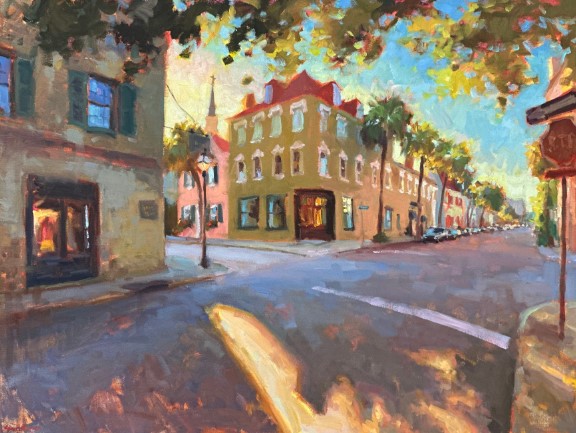
The geography of Charleston’s art world is defined by a deep commitment to both local heritage and global ambition. Along Broad Street, often referred to as “Gallery Row,” the concentration of talent is high. Galleries like the Ella Walton Richardson Fine Art and the Dare Gallery have carved out niches that bridge the gap between traditional Lowcountry landscape art and international contemporary movements. This duality is a hallmark of the local market: you are just as likely to find a sensitive, powerful portrait of a southern coastal marsh as you are a piece of gestural abstraction from a visiting international artist.
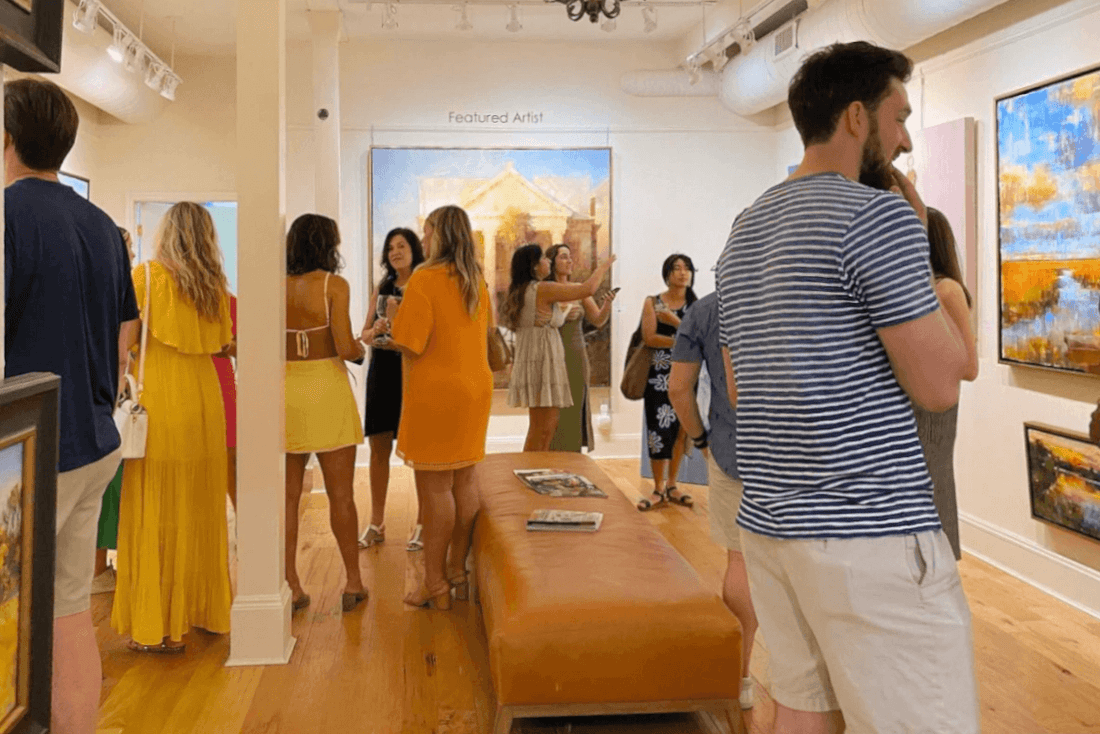
The economic stakes here are significant. Small, independent galleries—many of which are artist-owned—provide a retail experience that sustains downtown foot traffic. For instance, the Charleston Crafts Gallery has operated as a juried cooperative since 1989, maintaining a strict requirement that all exhibiting artisans must be residents of South Carolina. Galleries like the Grand Bohemian or LePrince Fine Art bring in globally recognized names to showcase their work in the city.
Charleston Artist Collectives Adopt Modern Digital Business Models
While the aesthetic is often nostalgic, the business models are increasingly modern. The Charleston Artist Collective, for example, functions as a web-based business that provides an accessible platform for both young and experienced collectors to acquire original art. This digital shift acknowledges that many traditional brick-and-mortar spaces must broaden the base of art ownership beyond the traditional gallery-goer.
By fostering cooperatives and emphasizing artist-owned spaces, the city has maintained a degree of autonomy. The Corrigan Gallery, for example, explicitly focuses on printmaking in the tradition of the Charleston Etchers Club, ensuring that the technical history of the region is not lost in the push for contemporary volume.
The integration of professional art advisory services—seen at Miller Gallery and Dog & Horse Fine Art—further suggests that the city is positioning itself as a destination for high-net-worth collecting. Whether it is Jaynie Milligan Spector’s work with 21st-century horse and dog portraiture or the curation of contemporary Russian and Dutch works at 58 Broad Street, the market is no longer just selling souvenirs of the South; it is curating global portfolios.
The Sustainability of the Creative Economy
As we look toward the future of the Charleston art scene, the primary question remains one of scalability. Can the city maintain its “small-town” creative intimacy while its reputation as a destination art market continues to expand? The transition of ownership at institutions like Hagan Fine Art in 2024 reflects generational shifts within the district. These galleries are not merely storefronts; they are curators of a regional identity that balances the Crashing waves and camellias of the Lowcountry with the bold, mark-making innovations of the modern era.
For the visitor, the experience is one of discovery. Whether you are browsing the self-taught photographic works of Jorge De La Torriente at the DE LA Gallery or watching an artist at work in the Jennifer McGrath Studio, the barrier between creator and collector remains refreshingly thin. This accessibility is the city’s greatest asset, providing a level of transparency and engagement that larger, more commercialized art hubs often lack. The art market in Charleston is not just surviving; it is actively defining the city’s next chapter.