
The City of Charleston is currently soliciting public input to shape its 2027 budget, focusing on a delicate balance between maintaining essential public services and funding critical infrastructure upgrades without raising taxes, according to reports from Fox Carolina and Live5News.
Residents and advocates are pushing for a shift toward “resiliency”—a civic term that, in practical terms, means keeping the streets walkable and the neighborhoods dry as the city grows. The stakes are high for the visually impaired, the commuting workforce, and those living in flood-prone corridors who feel the city’s current infrastructure is lagging behind its economic growth.
The Push for Pedestrian Safety
One of the most concrete demands emerging from the community is a dedicated annual investment in bike and pedestrian safety. Advocates, led by Katie Zimmerman, the executive director of Charleston Moves, are calling for the city to set aside $1 million a year for these projects. Zimmerman suggests that a consistent, proactive budget at this level would allow the city to address safety gaps before they become fatal.
This request doesn’t exist in a vacuum. The city already adopted a Safety Action Plan in 2025, which identified 52 specific safety improvement projects across Charleston. For many, the 2027 budget is the only way to turn that plan from a list of goals into actual pavement and signals.
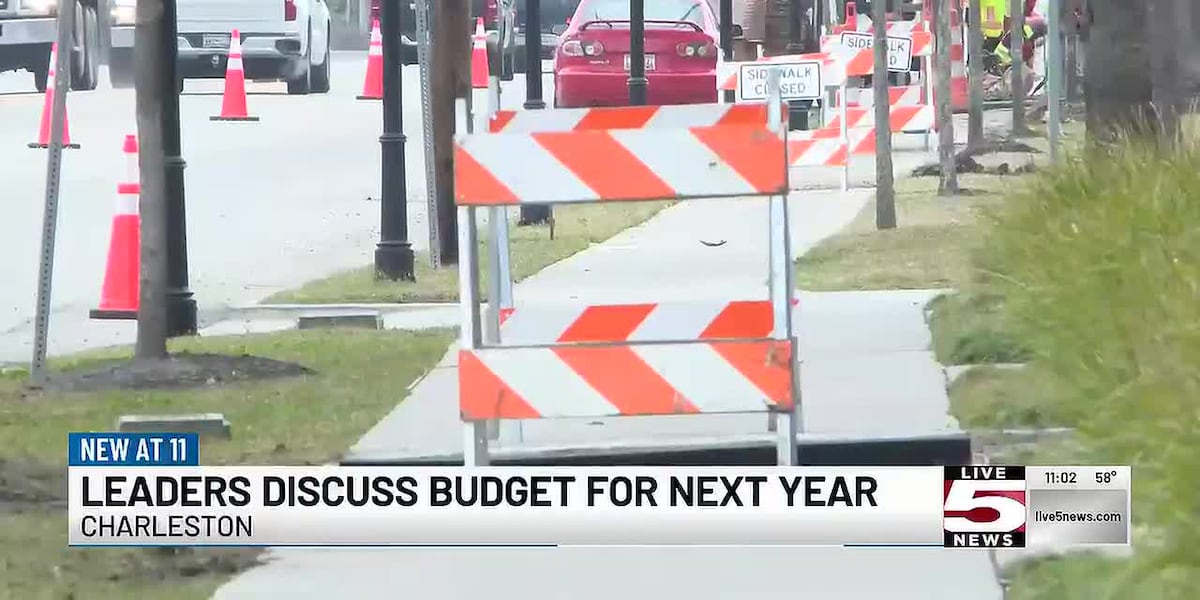
The human cost of inaction is felt most acutely by residents like Rick Porter, who has lived in Charleston for over 50 years. Porter points out a modern danger: the rise of electric vehicles. Because these cars are nearly silent, visually impaired pedestrians cannot rely on sound to judge when traffic is moving.
If you’re standing there and with the new electric cars and everything, you can’t judge when the traffic starts. There’s no sound. There is no sound, so it’s very important to have something that goes beep beep beep and lets you know you can cross.
Visitor Taxes Could Fund Land Conservation
Beyond the street corners, the budget debate is moving toward the edges of the city. There is a significant push to fund large-scale land conservation, specifically in areas like the Cainhoy peninsula. The goal is to preserve wetlands and block future development to create a natural buffer against flooding.
Torrey Sanders, the conservation program manager at the Coastal Conservation League, argues that the city’s tourist economy should help shoulder this burden. Sanders suggests using the accommodations tax—a tax paid by visitors staying in hotels—to fund these resiliency efforts. The logic is straightforward: flooding doesn’t just hurt residents; it disrupts the tourism industry that fuels the city’s coffers.
This approach creates a potential friction point in the budget. Council member Stephen Bowden of District 10 has emphasized that the primary goal remains balancing the budget and providing excellent public safety and services without increasing the tax burden on citizens.
The Economic Trade-off
The debate over the 2027 budget reflects a broader struggle common to growing coastal cities: the “basics” versus “betterment.” On one side, the city must fund the traditional expectations of public safety and basic maintenance. On the other, there is an urgent need for infrastructure that saves time and lives.
Bowden notes that investing in infrastructure and bringing city services closer to where people live can have a compounding positive effect on the community. He argues that saving a resident a few minutes of commute time every day adds up to more time spent with family and work, which improves the overall quality of life.
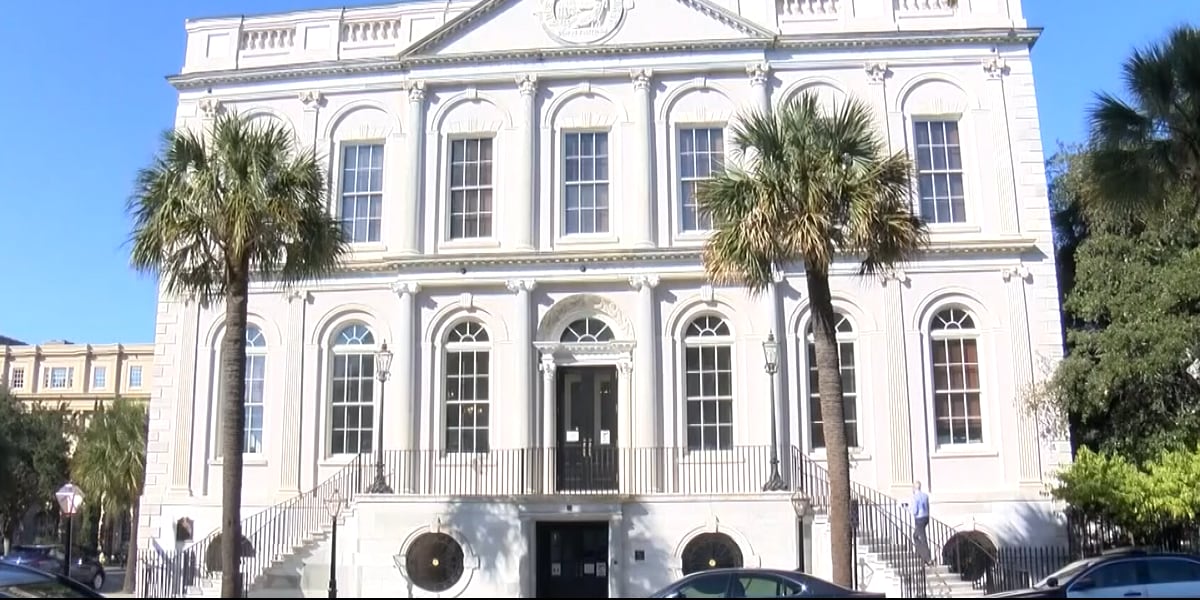
The community’s input is currently being tracked as the city prepares its financial roadmap. The first formal draft of the 2027 budget is scheduled to be presented on November 17. Until then, the city must decide if it will treat the 2025 Safety Action Plan as a suggestion or a mandate.
The central question remains: can Charleston evolve its infrastructure to protect its most vulnerable residents and its coastline without asking the taxpayers to pay more for the privilege?



