Cheyenne Voters Reshape Local Government in General Election
Local governance in Cheyenne changed this week as voters headed to the polls to decide a series of contested races for the City Council and Laramie County leadership. With nearly every seat up for grabs, the general election on Tuesday served as a definitive moment for political turnover in the region. The results mark a fresh chapter for the Cheyenne City Council, which saw a mix of new faces and veteran leadership managing a transition period.
In Ward 1, Maren Kallas emerged as the top vote-getter, securing 2,623 votes to Rhianna Brand’s 1,932. Kallas, who had previously led the field in the August 18 primary, steps into a seat that has been in flux since the passing of former council member Scott Roybal. While Larry Wolfe had been serving in the position by appointment, he did not seek election, leaving the seat open for Kallas.
The transition was equally notable in Ward 2, where Janelle Rose captured 4,466 votes, outpacing Lynn Storey-Huylar’s 2,875. Rose, a healthcare professional and small business owner, enters public office for the first time, having previously served on the Downtown Development Authority Board and the Friends of the Cheyenne Botanic Gardens board. Her victory follows the decision of incumbent Mark Rinne to vacate the seat to pursue a successful bid for the state Senate District 7 seat.
Incumbency and Continuity in Ward 3
While change defined much of the city’s electoral map, Ward 3 provided a study in continuity. Councilman Ken Esquibel, who has held his seat since 2018, narrowly held off challenger Bill Bryant in a contest decided by just 329 votes. The victory was personal for Esquibel, who dedicated the win to his late colleague, Scott Roybal. Reflecting on the campaign, Esquibel noted that his conversations with Roybal shortly before his death served as a motivator for his decision to seek reelection and continue their shared vision for the city’s development.
The shakeup extended to the Laramie County Board of County Commissioners. Following a primary that whittled down a field of 12 candidates, voters ultimately favored a Republican-led slate. Newcomer Jess E. Ketcham led the pack with 19,475 votes, joined by incumbents Troy Thompson and Gunnar Malm. Candidates Barbara Cabot and Lynne K. Davis, who advanced as the Democratic nominees, finished with 10,100 and 10,955 votes, respectively.
A Different Electoral Rhythm in Colorado
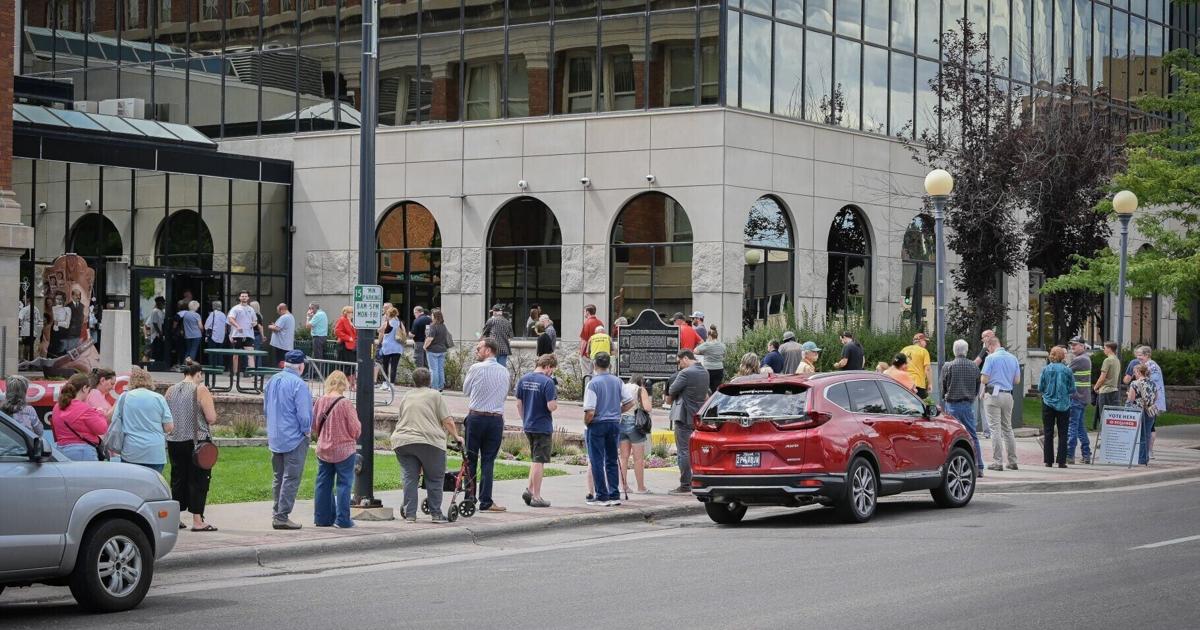
While Cheyenne, Wyoming, was finalizing its municipal leadership, Cheyenne County, Colorado, was managing its own general election process. The county reported 855 ballots cast, representing a 68.3 percent turnout of its 1,252 active voters. Unlike the municipal shifts seen in Wyoming, the Colorado returns highlighted a decisive preference for Republican candidates across state and federal offices.
In the race for U.S. Senate, voters in the county backed Mark Baisley with 81.94 percent of the vote, while Lauren Boebert secured 81.58 percent in her bid for the 120th United States Congress District 4 seat. The ballot also included significant measures, such as Amendment 81, which would require law enforcement to notify Homeland Security within 72 hours of charging individuals with violent crimes if their lawful presence cannot be confirmed; the measure saw strong support, passing with 83.03 percent of the local vote.
The divergence between the two regions highlights the varied priorities of voters across the High Plains area. In Wyoming, the focus remained squarely on the granular details of municipal service and the personal legacies of local representatives. In Colorado, the ballot reflected a broader engagement with state-level judicial retention and federal policy implementation. As county clerks begin the official canvass of ballots in the coming days, the unofficial tallies offer a clear snapshot of a public deeply invested in the mechanisms of local and state authority.
For those watching the economic and civic stakes, the turnover in Cheyenne’s City Council may dictate the pace of downtown development and community planning for the next several years. The integration of new perspectives, such as that of Rose, alongside the institutional memory provided by Esquibel, suggests a council poised to balance fresh initiatives with the established goals of the previous administration. While the election night reporting is complete, the impact of these new mandates will only become clear as the incoming officials begin their terms in the new year.