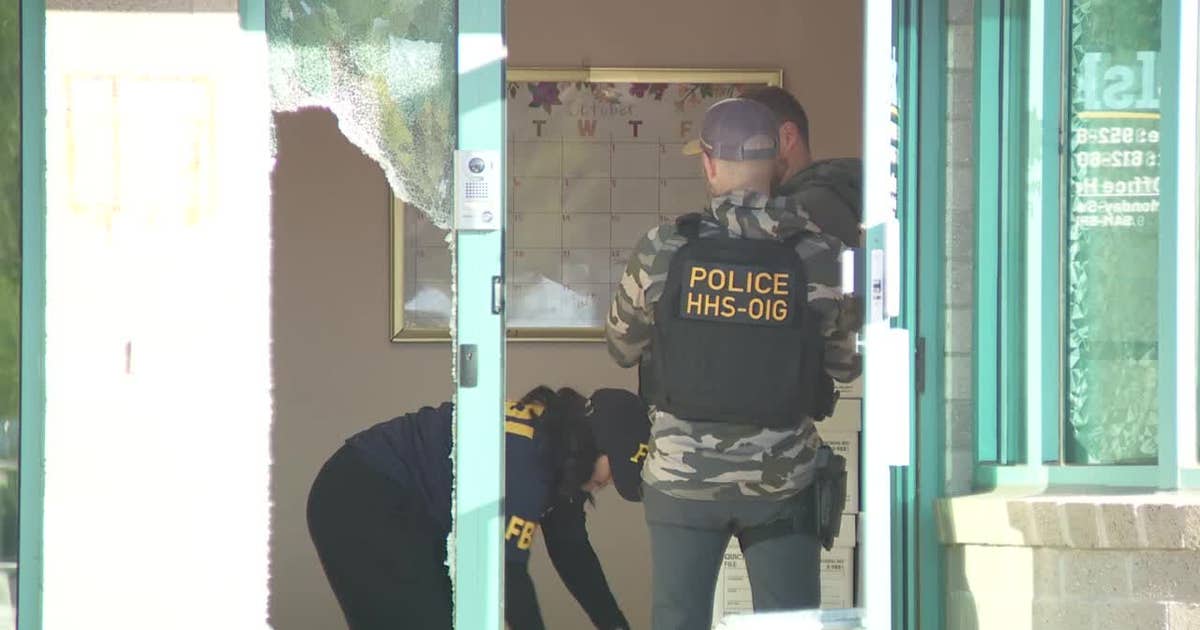
Nearly a year and a half after an EF1 tornado flattened Columbia’s main Material Recovery Facility, city crews are still sorting recyclables out in the open using a single surviving baler. While weekly curbside pickup has resumed, rebuilding the facility carries a price tag ranging from a $3.6 million basic replacement to a $21 million fully upgraded plant.
The tornado that touched down on April 20, 2025, did more than just tear through local infrastructure.
Paper and cardboard move across a surviving conveyor belt where the material is compressed into bales before heading to mills for reuse. Everything else takes a longer journey. Crews transport other recyclables to Federal Recycling & Waste Solutions in Jefferson City, with some ultimately traveling as far as Illinois for processing. It is an improvised routine that keeps tons of material out of local landfills, but it comes with heavy operational friction.
Weather Conditions Halt Daily Operations and Expose Equipment
Without walls or a roof to shield the machinery from the elements, current operations are entirely at the mercy of central Missouri’s weather. Wind and rain routinely halt baling operations, exposing expensive electrical equipment to moisture and leaving workers to manage sorting tasks in the open air.

Reginald Harper, Columbia’s residential recycling collection supervisor, has spent 18 years managing the city’s waste routes. Before the storm, collection trucks unloaded everything at a single municipal facility. Now, crews must travel between two separate drop-off locations.
“They just see a truck coming in front of the house and that’s their normal,” Harper told komu.com, describing the public’s perception of municipal sanitation work. “They don’t know the logistics, what’s needed, the bodies, the trucks.”
Those logistical strains translate directly to the workforce. Columbia expanded its curbside collection schedule from three routes to five, allowing households to mix fibers and containers every week instead of alternating. Yet the physical toll on collection personnel remains steep. Summer heatwaves force supervisors to hand out extra water breaks, while winter storms routinely stretch collection routes by an hour or more.
What Residents Can and Cannot Recycle Now
While the curbside trucks roll on a regular schedule, the menu of acceptable items shrank significantly after the storm. Glass and plastics numbered 3 through 7 are no longer picked up at the curb.

Glass recycling has effectively vanished from residential pickup routes due to contamination risks. When glass shatters inside a collection truck, shards embed themselves in paper and cardboard bales, ruining entire loads for mill processing. Instead, the city relies on purple recycling containers placed at two drop-off locations in partnership with Ripple Glass.
Contamination remains a persistent headache for municipal officials. Tom Elliot, Columbia’s material recovery superintendent, noted that the city’s drop-off sites previously hovered around a 34% contamination rate—roughly double the national average. When sanitation workers spot prohibited materials mixed into curbside bags, protocol requires them to leave the bags behind with an explanatory tag attached.
Weighing the Cost of Reconstruction
The financial dilemma facing city hall is stark. In December, the Columbia City Council authorized staff to solicit proposals for a replacement building at the original site. Initial estimates peg a basic structural replacement at approximately $3.6 million, funded largely through insurance payouts and Solid Waste Utility capital reserves.

“The $3.6 million estimate is focusing on just rebuilding the building we had in the same location, just as it was before the tornado — not including any upgrades and not including any equipment changes,” Tom Elliot explained to komu.com.
By contrast, an entirely new facility outfitted with modern sorting technology and expanded intake capacity carries an estimated price tag of $21 million. City planners were already evaluating facility upgrades before the 2025 tornado struck, but the natural disaster forced an abrupt halt to those long-term infrastructure discussions.
For now, the city is eyeing a phased approach. The immediate goal is to construct a weather-protected building around the sole surviving baler, with future equipment automation and sorting upgrades considered while construction is underway. Officials hope to see the rebuilding contract reach the City Council by the end of the year, kicking off a construction timeline estimated to take roughly 12 months.
Until those walls go up, Columbia’s recycling system will continue to run on makeshift workflows, resilient machinery, and the daily persistence of crews working under an open sky.