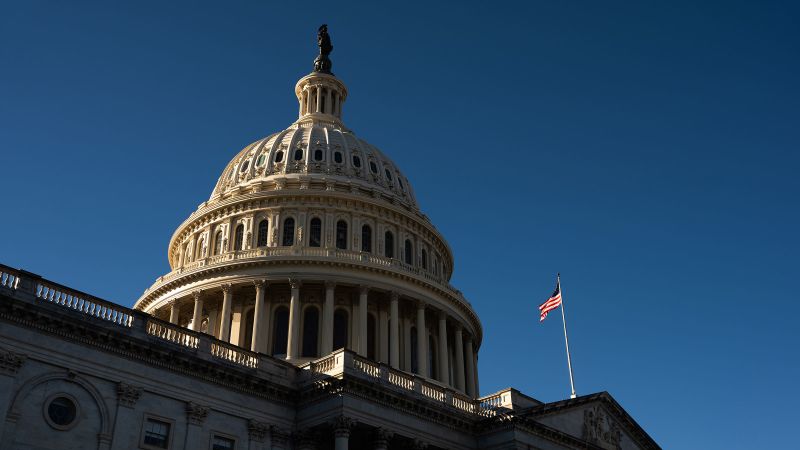
Senate Republicans are racing to confirm 23 judicial nominees before the chamber changes hands in January.
This effort is meeting resistance from within their own ranks, complicating plans to cement a conservative judiciary before Democrats take control.
Senate Republicans Race to Confirm Judges
President Donald Trump has urged the Senate to confirm 25 federal judges before Republicans lose their majority in January. Senate Majority Leader John Thune (R-S.D.) labeled the effort a top priority. The Congress has confirmed 57 judges since the start of the president’s second term in 2025.
The effort has faced vocal criticism from administration supporters. Florida Governor Ron DeSantis knocked Republicans for pushing back on the nomination blitz. “Ugh. And Republicans wonder why they have problems with base voter enthusiasm,” DeSantis wrote Sunday on X.
Every single federal judicial vacancy needs to be filled in the lame duck session. The Senate should pull all-nighters for as long as it takes. Democrats wont confirm a single Trump judge once they take over. pic.twitter.com/dL3LrSDEuc
Others expressed sharp frustration. MAGA influencer Philip Buchanan, known online as “Catturd,” labeled the resistance as “lazy, worthless, traitors, backstabbers.” City Journal editor Brian Anderson said the internal pushback was “incredibly self-defeating,” noting that Democrats would not hesitate to exploit such a window.
Internal Friction Delays Nominees
In Arkansas, the White House withdrew its nomination of Lee Rudofsky for the 8th U.S. Circuit Court of Appeals. Sens. John Boozman and Tom Cotton opposed the choice. The senators favored Arkansas Supreme Court Justice J. Cody Hiland instead. One source said the friction regarding Rudofsky stemmed from Boozman, while Cotton focused on supporting his colleague.
In Texas, Sen. John Cornyn expressed concerns regarding the nomination of T. Elliot Gaiser. “Trying to air-drop somebody else in at the last minute for the Dallas vacancy that hasn’t been through that process, I think, is a concern,” Cornyn told the AP. Cornyn also noted Gaiser’s involvement in efforts to challenge the 2020 election results.
In Oklahoma, a Republican senator raised objections to a district court nominee after initially approving him. This resistance has forced the withdrawal of some nominees and delayed others, including those for district court seats.
Ugh. And Republicans wonder why they have problems with base voter enthusiasm. https://t.co/QYXWuBLZIV
Tillis and Grassley Manage Judicial Appointment Processes
Sen. Thom Tillis said senators deserve more “respect” from the White House regarding judicial appointments in their home states. Tillis has used his position on the committee to block candidates opposed by his colleagues. He said he supported the Arkansas senators’ efforts to move on from Rudofsky.
Judiciary Committee Chairman Chuck Grassley (R-Iowa) has faced pressure to process the nominees efficiently. Some critics argue that Grassley is breaking established norms, such as the two-week interval between hearings and the 28-day review period for Senate Judiciary Questionnaires. He said he is exercising his discretion as chairman.
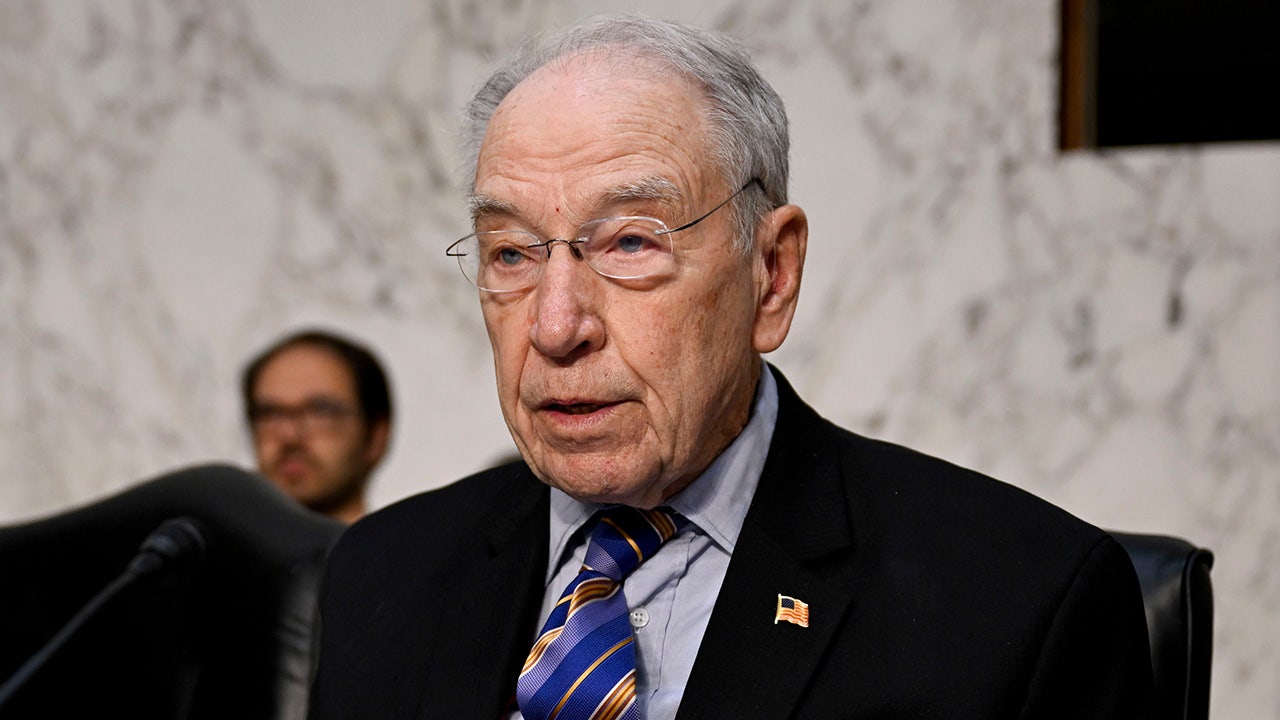
Grassley said that Democrats are planning to “stonewall” the president’s ability to appoint judges. Ranking member Sen. Dick Durbin (D-Ill.) disputed this. Durbin accused Republicans of violating standards to confirm “qualified loyalists.”
The Closing Window for Confirmations
The current friction shows the limited time remaining for the GOP to influence the federal bench. Democrats are set to hold at least 55 Senate seats in the next Congress. The window for confirming lifetime appointments is closing.
The Senate should confirm Lee Rudofsky to the Eighth Circuit, along with the rest of President Trump’s pending judicial nominees. If the Senate doesn’t do this now, it’s unlikely President Trump will be able to fill these positions in the next Congress. https://t.co/jsVYU9wxd8
Proponents of the confirmation push, such as the Article III Project’s Mike Davis, said the appellate courts are the administration’s primary concern. Davis characterized the opposition from some senators as an “unforgivable sin” given the need to secure a lasting judicial legacy.
“What we need to do is make sure that every nominee for a lifetime judgeship, either on the federal district court, or more importantly, even the circuit courts of appeals, we need to get them confirmed,” Sen. Kevin Cramer (R-N.D.) said in an interview on Sunday.
Party leadership is working to advance the slate. However, senators like Jim Justice (R-W.Va.) have questioned whether prioritizing these confirmations over other legislative business is an effective use of time.