“Parents are angry,” said Jodi Carreon, a Southern California mother who leads the advocacy organization Schools Beyond Screens.
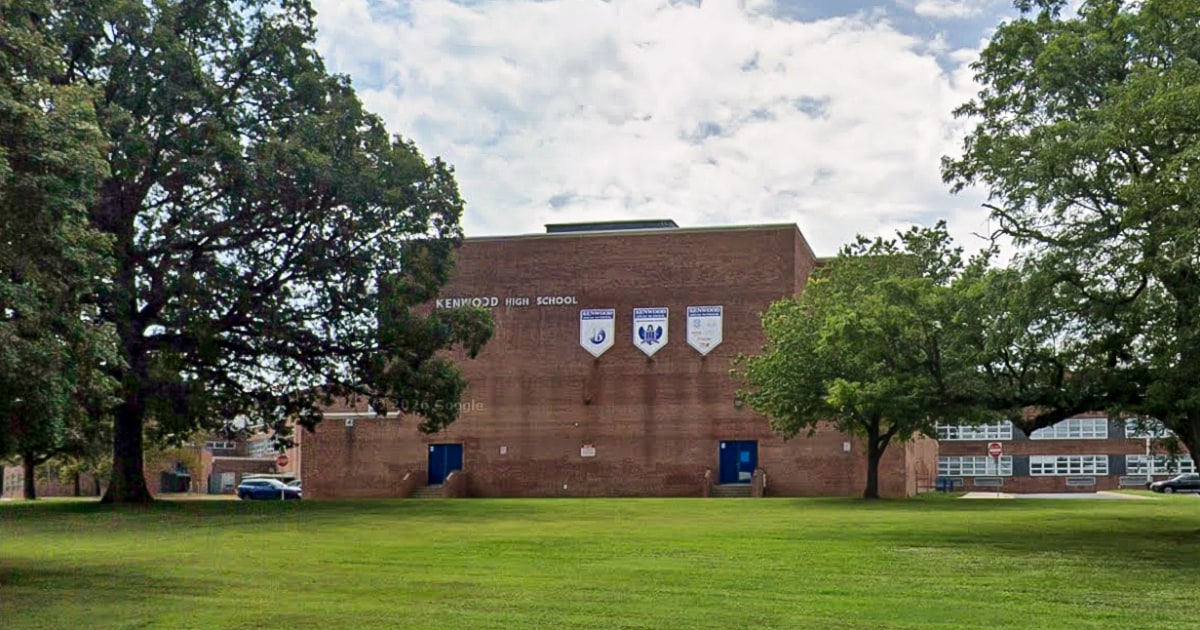
Three of the largest U.S. school systems—New York City, Los Angeles, and Chicago—are evaluating alternative search engines after Google announced that K-12 student accounts will lose access to its flagship search tool unless they also enable artificial intelligence features starting in early 2027.
Google Ties Search Tools to Mandatory AI
Under the policy announced by Google on November 3, 2026, educational accounts will have Gemini-powered features, Gemini Notebook, and Google Search turned off by default.
Administrators must explicitly turn them back on, but schools cannot opt out of artificial intelligence while keeping standard browser-based search functionality.
We want to clarify what we announced today about our education services. Today’s announcements give schools more choice, not less. Here’s what we announced: – Gemini, Gemini Notebook, and Search will be OFF 🔴 by default. This is based on K-12 schools asking for more control…
Chris Phillips, Google’s vice president of education, explained the technical reality behind the policy to the company’s integrated architecture, saying that search and AI are deeply connected.
Major municipal and educational leaders immediately pushed back against the ultimatum.
New York City Mayor Zohran Mamdani accused the tech giant of using its monopoly power to force AI into our public schools in a post on X.
Democratic Senator Ed Markey of Massachusetts also wrote to Google’s chief executive officer demanding a reversal of the policy, while New Jersey Governor Mikie Sherrill’s administration blasted the company for attempting to strongarm schools into exposing young learners to artificial intelligence.

Districts Threaten to Leave Google Search
School administrators across the nation are now drawing distinct lines.
“If such an arrangement can’t be reached, the district will look to other search solutions,” Chicago Public Schools said in an email cited in reporting.
New York City schools chancellor Kamar H. Samuels echoed that stance, saying that the nation’s largest district would explore alternative providers if Google refused to reconsider its position.
Google is trying to use its monopoly power to force AI into our public schools. No corporation should have the power to dictate how we teach our children. Our public schools exist to serve students, not to grow the profit margins of Big Tech.https://t.co/jfACMS1Sh2
Alternative search providers reported an immediate surge in interest from administrators.
Gino Priolo, an assistant superintendent in Haddonfield Public Schools in Camden County, New Jersey, said that monitoring ongoing adjustments to Google’s education platform has functioned like a game of whack-a-mole.
Kamyl Bazbaz, a spokesperson for DuckDuckGo, confirmed that the alternative search engine received an influx of administrators reaching out to learn more about switching following the announcement.
Parents Protest Over Safety and Control
The policy change arrived amid a wave of public friction over generative technology in educational settings.
Groups of parents staged demonstrations outside Google offices in Boston, Boulder, Chicago, New York, and Portland.
In Chicago, protestors chanted “Hey, Google, nice try, we don’t want your Gemini,” according to accounts of the demonstration.
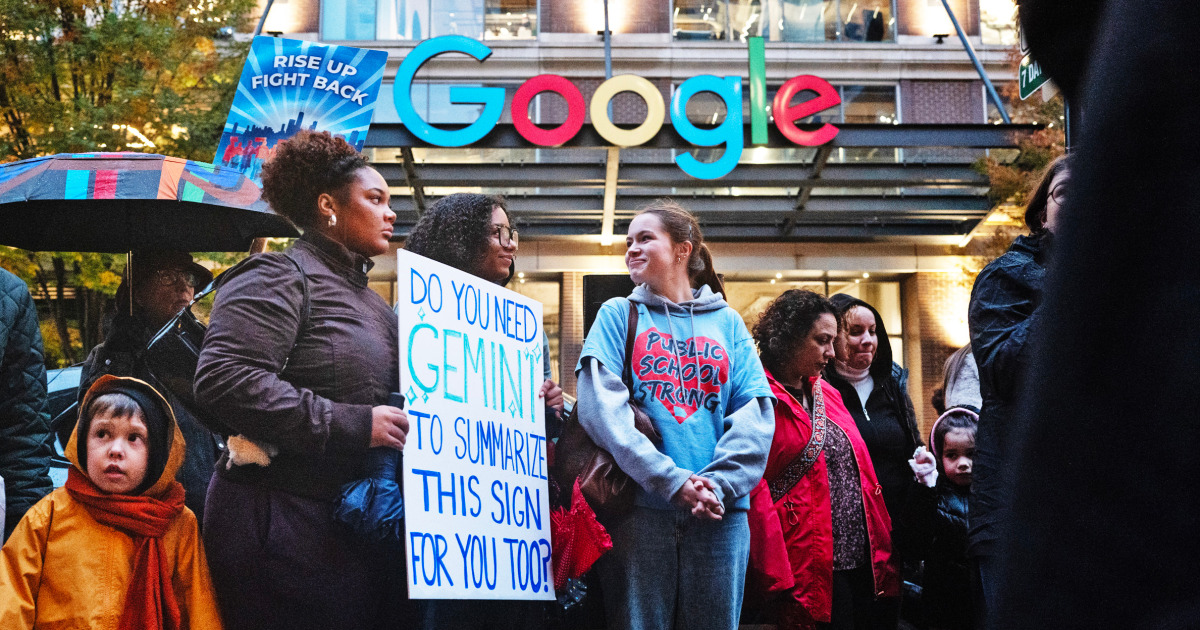
Cassie Creswell, executive director of the parent group Illinois Families for Public Schools, helped organize the rally.
“We don’t want corporations determining what is happening in our kids’ classrooms and how our schools are run,” Creswell told reporters at the scene.
The backlash coincides with scrutiny over child safety.
Google Defends Upcoming Controls
Google defended its platform strategy by pointing to new learning features designed to assist rather than replace student effort.
Laura Breen, a company spokesperson, outlined upcoming adjustments in a statement.
We hear parents and teachers’ concerns about students using AI to shortcut learning, and we share the same goal: help students learn. To improve Search for the classroom, we’re starting to pilot Guided Learning capabilities in Search this month to walk students step-by-step through a range of complex problems, instead of just giving quick answers.
Laura Breen, Google spokesperson
Breen added that next year’s rollout will ensure Gemini applications and search tools remain off by default until administrators actively configure them, while school officials will retain grade-level control over which students can access specific features.
“We’re starting to pilot Guided Learning capabilities in Search this month to walk students step-by-step through a range of complex problems, instead of just giving quick answers,” Breen said.