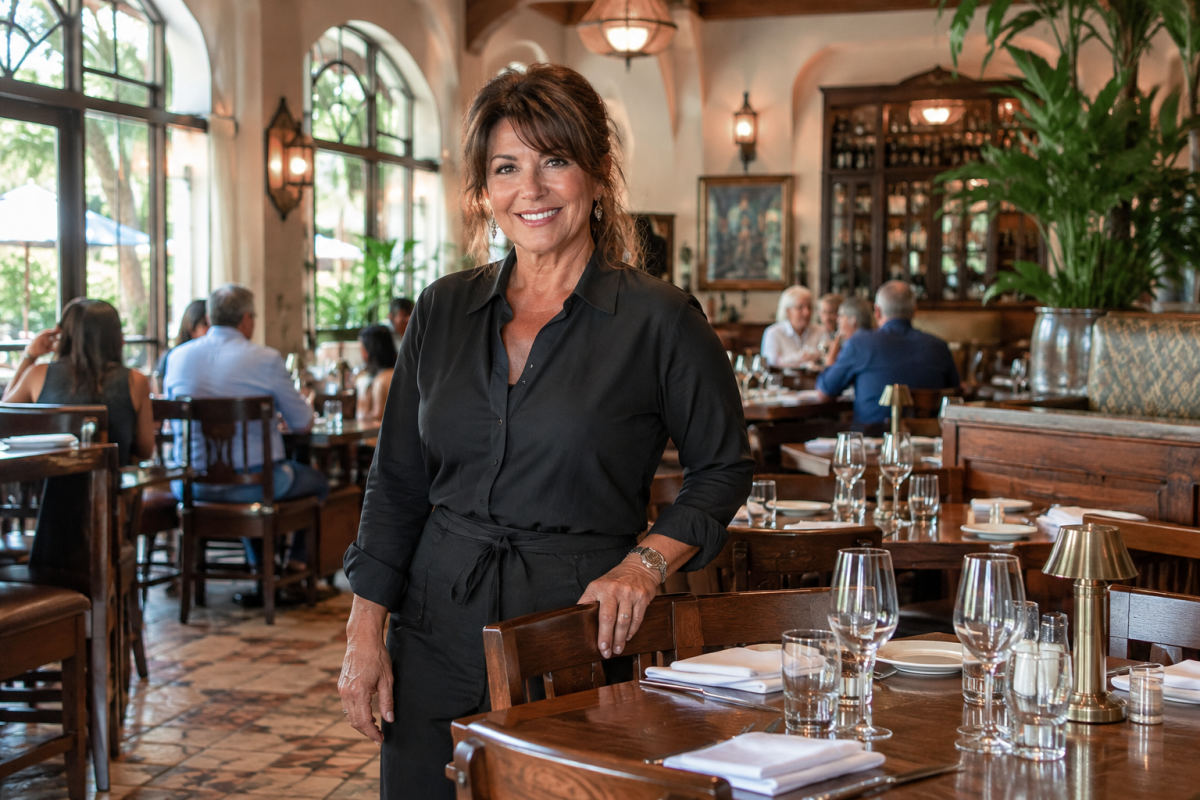
For decades, Orlando’s culinary reputation has been viewed by the outside world through the narrow lens of theme park dining.
Yet, as the Orlando Sentinel celebrates its 150th anniversary, a deep look into the region’s archives reveals that the city’s food identity was forged long ago in sunbaked fields, cattle ranches, and the kitchens of multi-generational families.
While modern audiences may recognize Orlando through the polished, high-definition lens of Netflix’s Somebody Feed Phil or the prestige of the Michelin Guide, the reality is far more grounded.
As the Orlando Sentinel reported, the region’s “foodie” foundation was built by farmers and ranchers who shaped the local economy well before corporate concepts arrived to cater to tourism. This isn’t a recent phenomenon; it is a legacy of resilience that has survived everything from the freezes of the 1890s to the shifting demands of the 21st century.
The Roots of a Culinary Identity
The newspaper’s own history is inextricably tied to this agricultural origin. Long before dining columns became a staple of the Sentinel, the publication documented the region’s pioneer roots. In the early 20th century, the paper’s pages regularly featured household guides and recipes for southern staples like hog and hominy.
By April 1918, the paper was printing instructions for “Hominy Muffins Made With Corn Flour,” underscoring how deeply corn was woven into the local culture long before the commercial prosperity of the Zellwood corn industry in the 1940s.
Farmers, reporters and restaurateurs reflect on 150 years of covering food and a growing restaurant community in the Orlando-area. https://t.co/uYiiveUFGA
Heather McPherson, who served as the Orlando Sentinel’s food editor for 28 years, notes that the influence of local agriculture on the region’s cuisine cannot be discounted. “Our weather, combined with what agriculture meant to the economy of the state, is vital,” McPherson told the Sentinel.
Having relocated to Seminole County in 1969, she recalls how her family quickly sought out connections to local growers, buying beef directly from ranchers and sourcing fresh sweet corn from nearby farms.
Resilience Through the Decades
The path to a modern food scene was not without its obstacles. The citrus industry, which once defined the region, suffered catastrophic losses during the freezes of 1894 and 1895.
According to the Orange County Regional History Center, the February freeze was particularly devastating, killing the trees themselves and leaving thousands of acres without a single box of fruit. This early era of uncertainty forced an innate ability to pivot and survive—a trait that would define the community long after the arrival of larger commercial operations.
By the mid-20th century, the Sentinel’s food coverage had evolved alongside the city’s growth. Grace Warlow Barr, who served 27 years at the paper as Women’s and Food Editor, became a central figure in connecting local ingredients to home kitchens.
Her column, “What’s Cooking?”, which debuted in 1949, championed a hearty approach to cooking. She included recipes for wild orange marmalade, reflecting a post-war era of modernization and the simple desire to indulge in accessible, locally available ingredients.
A Multigenerational Legacy
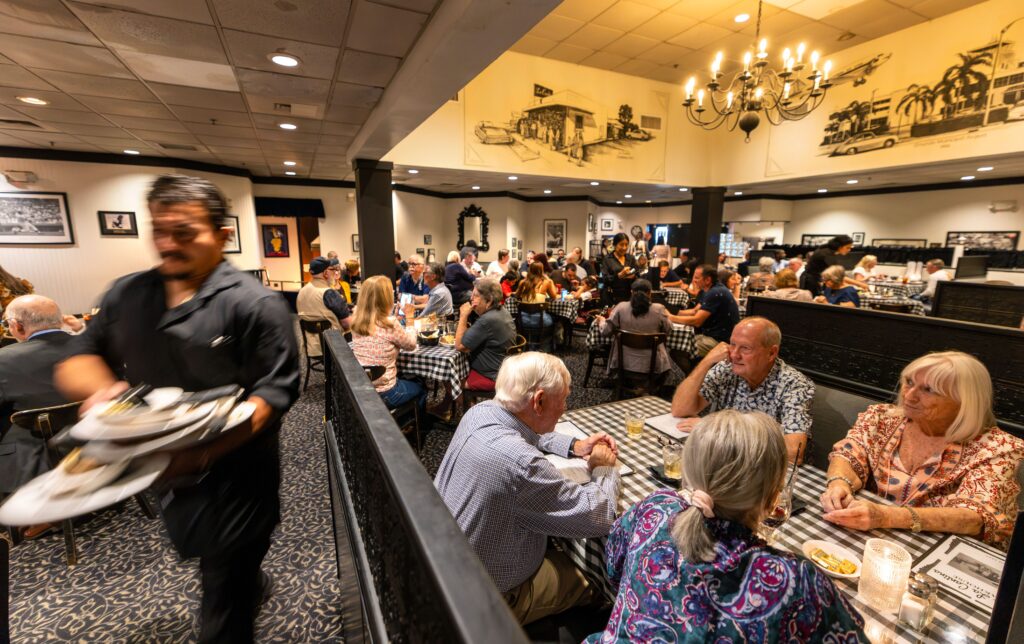
The strength of Orlando’s food scene today remains rooted in these multigenerational businesses that prioritize community over corporate trends. Linda’s La Cantina, founded in 1947 as Edie and Rudy’s La Cantina, stands as a testament to this endurance. Karen Hart, the third-generation owner, views the restaurant’s longevity as a gift. “We are all there to help each other, always, whenever anything happens,” Hart told the Orlando Sentinel.
Farmers, reporters and restaurateurs reflect on 150 years of covering food and a growing restaurant community in the Orlando-area. https://t.co/mBBJAPmtDm
This sentiment is echoed by other local institutions, such as Beefy King on Bumby Avenue. Founded in 1967 and purchased by Freeman Smith a year later, the sandwich shop has remained a family-run staple for over five decades.
These establishments offer a sharp contrast to the transient nature of modern food trends, serving as a reminder that the “real” Orlando has always been defined by the people who live and work here.
As the city continues to draw international attention, the question remains: how will the next generation of restaurateurs balance this deep-rooted agricultural and community-first history with the pressures of an ever-expanding tourism market? While the accolades from streaming shows and guidebooks provide a new level of visibility, the foundation of the city’s culinary identity remains exactly where it started—in the hands of the families who have sustained it.