
FCC Moves to Allow Cellphone Jamming in State and Local Prisons
Rows of confiscated cellphones lined a table inside the Arkansas attorney general’s office on October 28, 2026, serving as a blunt visual aid for a major shift in federal communications policy. The Federal Communications Commission announced Wednesday that it is moving forward with a rule change that will empower local and state correctional facilities to deploy cellphone jamming technology within their walls.
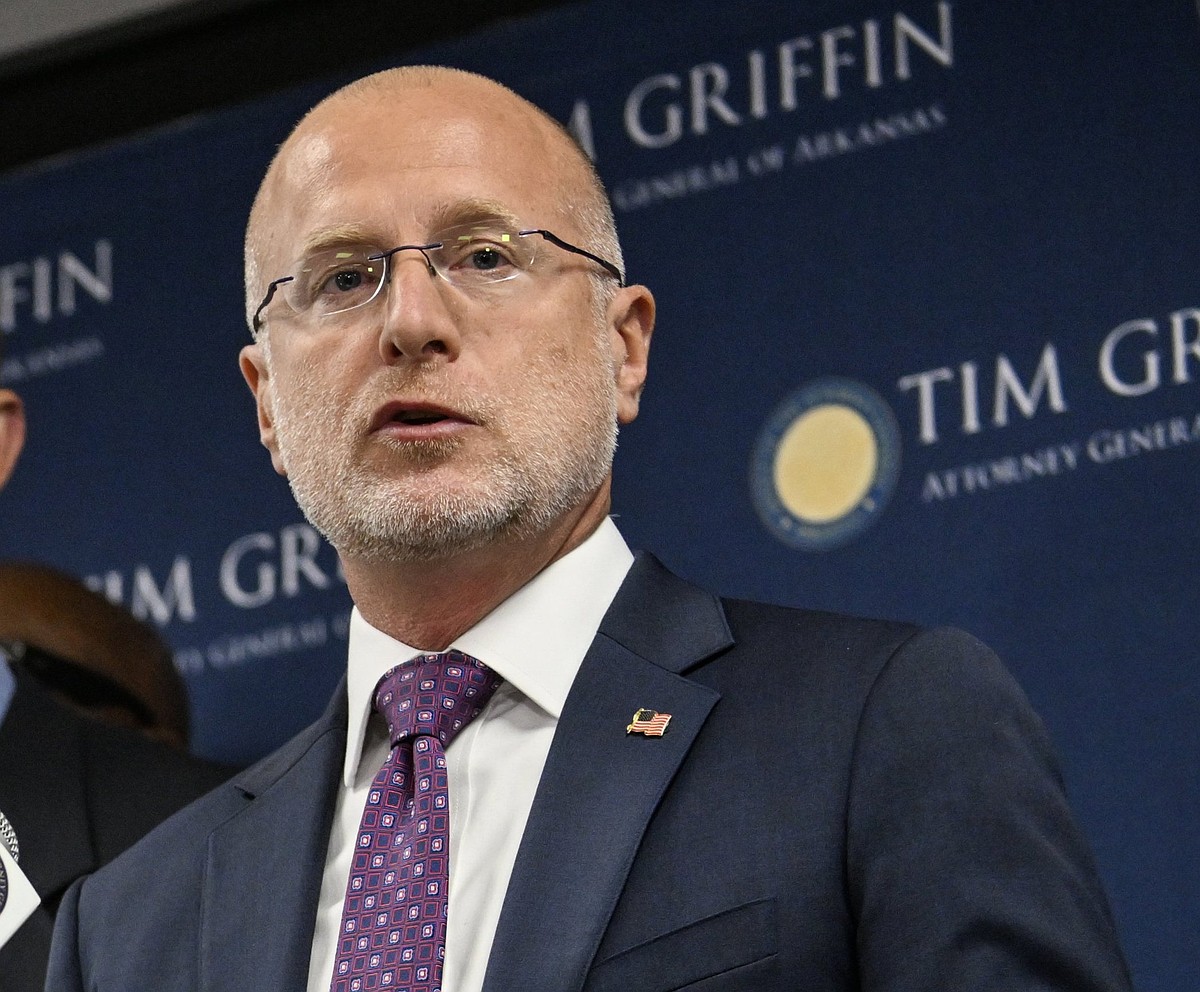
FCC Chair Brendan Carr revealed the upcoming vote during a press conference in Little Rock, where he was joined by U.S. Tom Cotton, Arkansas Attorney General Tim Griffin, state Corrections Secretary Lindsay Wallace, Division of Correction Director Dexter Payne, South Carolina Department of Corrections Director Joel Anderson, and a representative from the Federal Bureau of Prisons. The commission is scheduled to hold a final vote on the rule in three weeks.
Federal prisons have utilized jamming equipment to cut off illicit communications. However, state and local institutions have been barred from doing the same due to a federal statute prohibiting states or individuals from willfully or maliciously interfering with licensed or authorized radio communications. Carr noted last year that this longstanding prohibition stemmed from a misreading of the law. Once the new rule takes effect, corrections officials can apply for authorization, outline their operational plans to the FCC, and secure approval to begin deployment.

Smuggled Phones Enable Drug Rings and Sextortion Schemes
Advocates for the rule change point to severe criminal enterprises operating from behind bars as an urgent justification. During the Little Rock press conference, officials stressed that contraband devices present a direct threat to public safety. Cotton highlighted a case where a major prison drug ring in Georgia moved 14 kilograms of meth and nearly a kilogram of heroin into the Atlanta area using smuggled phones. In South Carolina, inmates utilized illicit devices to run a sextortion scheme targeting hundreds of military service members, a operation that tragically drove several victims to suicide.
State prison officials in Arkansas reported that a rise in gang violence inside correctional facilities has coincided with an increase in cellphone confiscations. While Cotton did not cite local instances of phones being used for high-level trafficking in Arkansas, he noted that correctional officers and sheriffs frequently describe the hunt for contraband technology as one of the most hazardous duties of their jobs.
Kaleem Nazeem, a co-director of decARcerate and a formerly incarcerated individual, explained that the high costs associated with using official prison phone systems drive the demand for smuggled devices. Most inmates using contraband cellphones are simply trying to maintain contact with loved ones or stay informed, Nazeem noted.
Officials Plan Selective Deployment of Jamming Technology
The push to alter the rule has spanned more than a year, following an initial joint announcement by Carr, Cotton, and Griffin. Cotton has previously introduced legislation twice to prohibit the FCC from disallowing state and local corrections agencies from jamming, though neither bill advanced to a vote in its assigned Senate committee.
Officials emphasized that the technology will be deployed selectively.



