
Pupils in England will learn how to spot online misinformation, use artificial intelligence, and manage money under a national curriculum overhaul set for formal announcement on Monday.
The Department for Education package introduces compulsory citizenship lessons starting in primary school alongside digital and media literacy training to help children recognize bias. Education Secretary Lucy Powell defended the modernization plans, stating the updates are designed “to equip young people for their fast-changing future, not some bygone past.” She emphasized that the curriculum has not kept pace with global shifts since its last reform.
Primary Oracy Assessments and Financial Literacy
Alongside media literacy, the reforms establish a new speaking and listening assessment at the end of primary school. Officials said the changes rest on strengthened reading and communication foundations. Students will be taught how to disagree agreeably as part of the oracy rollout.
Every child will build strong foundations in maths, reading, writing and speaking enabling them to access the full breadth of the curriculum, develop their talents, expand their horizons and become resilient, confident and adaptable life-long learners.
Lucy Powell, Education Secretary
The curriculum update also introduces mandatory financial literacy instruction. Consumer rights campaigner Martin Lewis praised the financial education proposals as “a chance to stop young people being sent out into a world of scams, dodgy deals and debt without the tools to cope.” Additionally, an updated computing GCSE will incorporate lessons covering data and artificial intelligence.
Mandatory Reading Time and Expert Backing
The government announced on Saturday that schools must dedicate regular time for pupils to read for pleasure. The requirement is mandatory for primary schools, while secondary schools retain scheduling flexibility to counter declining daily reading levels amid screen distractions.

Geoff Barton, chairman of the Oracy Education Commission, supported the speaking assessments. He stated the framework helps children understand ideas, explain and justify views, and prepare to become engaged citizens.
This isn’t a technocratic matter of developing oracy, It’s a mission for social justice on behalf of every child from every background.
Geoff Barton, chairman of the Oracy Education Commission
Policy Implementation and Future Outlook
The government confirmed that Sunday’s announcement follows previous pledges to adjust curriculum standards. Future pupils will specifically learn about how AI-generated content influences the information they consume, ensuring that students can use modern digital tools safely.
Political Opposition and Implementation Concerns
Opposition figures and school leaders raised immediate concerns over the feasibility and substance of the overhaul. Shadow education secretary Laura Trott criticized the curriculum changes as a shopping list of things that sound nice but erodes the core knowledge that places English pupils in the global top ten for reading, mathematics, and science.
She argued that the oracy framework has been attempted previously without success and warned that primary schools could become a venue for non-essential content.
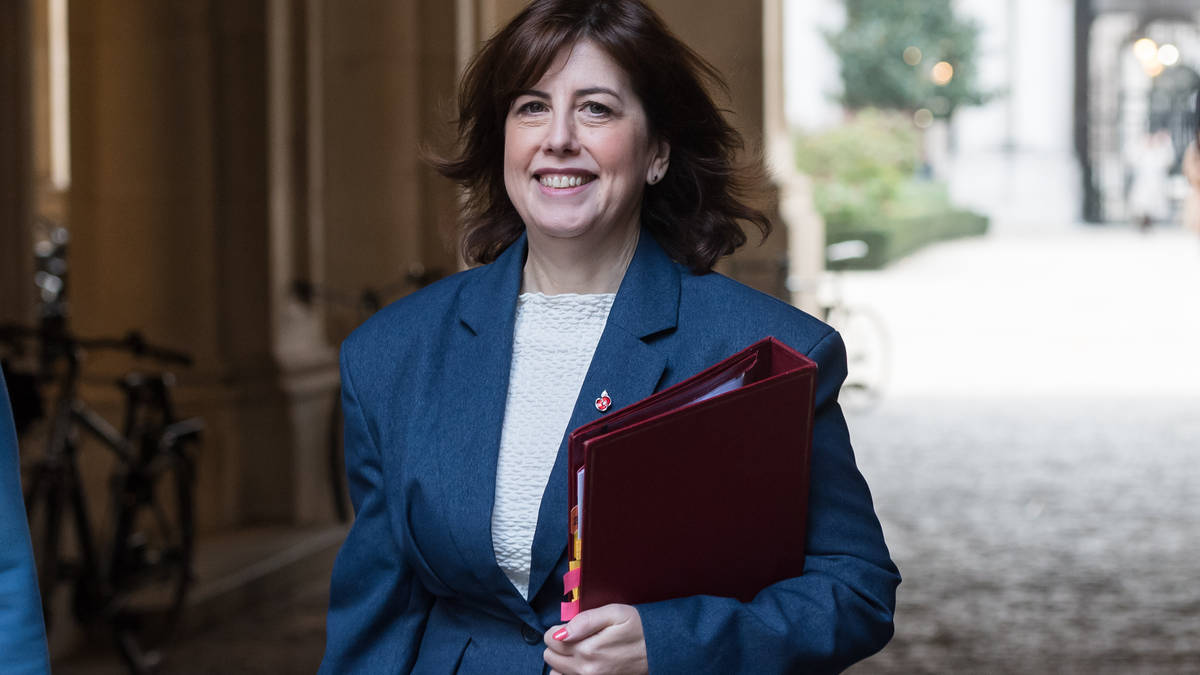
Education Secretary Lucy Powell brings direct policy experience to the curriculum overhaul from her time as Shadow Childcare and Early Years Minister from October 2013 and as a member of Ed Miliband’s shadow cabinet from November 2014. She also managed Ed Miliband’s successful 2010 Labour leadership campaign from May to September 2010 and served as his acting and later deputy chief of staff from September 2010 to April 2012.
Before entering Parliament as MP for Manchester Central in 2012, Powell worked in public affairs and project management at NESTA (National Endowment for Science, Technology and the Arts) after June 2005, where she established and managed the Manchester Innovation Fund. She also led regional campaigning for the pro-EU group Britain in Europe, collaborating with figures including Chris Patten and Neil Kinnock.
We need education policy that follows what has worked, not policy based on vibes.
Laura Trott, shadow education secretary
School leaders similarly questioned the practical execution of the mandates. The Association of School and College Leaders said that educators are being handed a longer to-do list alongside existing reforms, unfunded pay increases, and breakfast clubs. They warned that teachers lack the necessary training, funding, or breathing space to deliver these new responsibilities effectively.