About 60 Patriot interceptor missiles already paid for by Ukraine’s Western allies remain stuck in U.S. approval limbo as Russian ballistic strikes intensify.
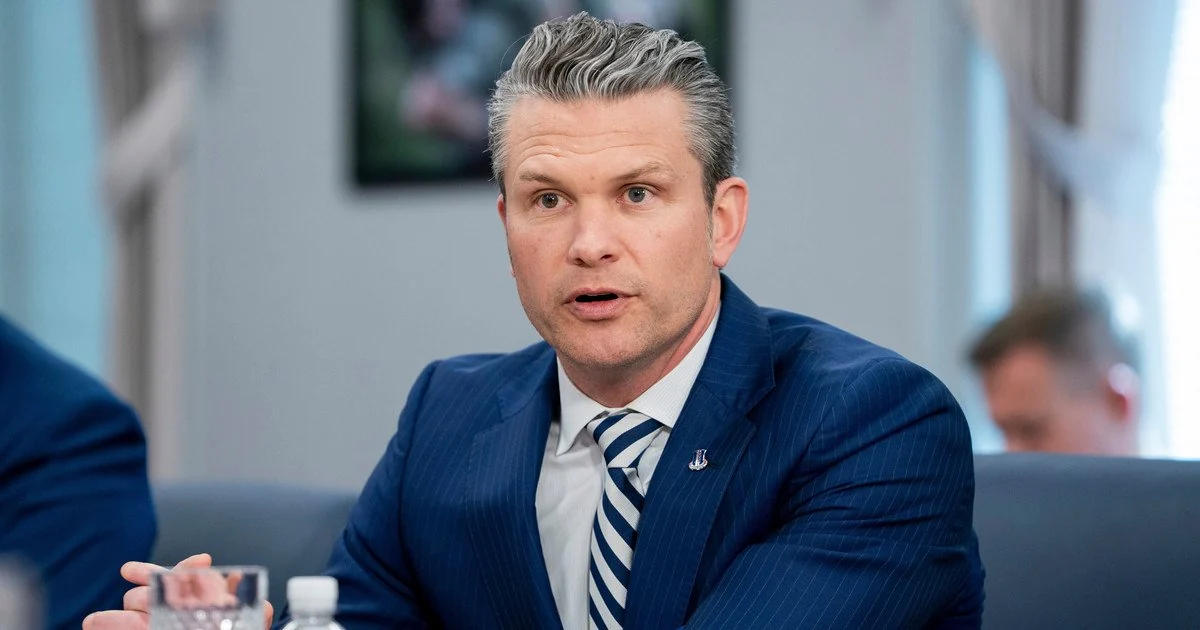
The bottleneck centers on Defense Secretary Pete Hegseth, who has not signed off on shipments of PAC-3 and PAC-2 interceptors — including missiles sitting in European stockpiles — even though Washington had previously authorized their transfer. Ukrainian officials say the hold has left Patriot launchers empty, meaning nearly every Russian ballistic missile now reaches its target.
Delayed Missiles and Missed Deadlines
The outstanding PAC-3 allocation — Ukraine’s most effective defense against Russian ballistic missiles — comprises four batches: eight interceptors scheduled for September, ten for October, ten for November, and another 12 for December. None of the four shipments has been cleared for delivery.
Roughly 20 older-model PAC-2 interceptors allocated to Ukraine are also awaiting authorization. A separate process to license Ukrainian production of Patriot missiles has likewise stalled at the Pentagon, despite President Donald Trump telling President Volodymyr Zelenskyy in July that he would authorize domestic manufacture.
By contrast, missiles for NASAMS air defense systems — jointly produced by RTX and Norway’s Kongsberg — that had been caught in the same paperwork backlog have since been approved and are reportedly on their way to Ukraine.
Funding Mechanism and Authorization Gap
The missiles are financed through PURL, a mechanism that lets allies purchase American weapons for Kyiv. According to sources, around 95% of Patriot interceptors reach Ukraine through PURL, which has drawn $6.7 billion from 29 contributing countries. Because the interceptors are U.S.-manufactured, Washington must approve both export and re-export — even when the missiles are already stored in European arsenals and allies have paid for them.
Earlier, Berlin, together with Norway, had agreed to fund a new package of U.S. weaponry under the PURL mechanism, specifically PAC-2 and PAC-3 missiles. European partners are continuing to seek ways to speed up deliveries, but the transfer of U.S.-manufactured weapons requires the relevant authorizations from Washington.
Zelenskyy Appeals as Strikes Intensify
President Zelenskyy has repeatedly pressed Washington to release the missiles. On November 22, he wrote on Telegram that “It is very important that America allows the transfer of missiles for Patriot systems that our partners have already paid for”.
A day later, in his evening address, he said Ukrainian intelligence indicated Russia was preparing new strikes and added: “Missiles for Patriots are needed here in Ukraine, and we very much expect the necessary decisions from America”.
In late October, Zelenskyy complained that Kyiv had been waiting almost a month for Hegseth to sign contracts for Patriot and NASAMS missiles. On October 28, he publicly urged Hegseth to sign contracts for 23 pending Patriot interceptors.
The following day, he told Bloomberg that Hegseth had cleared a batch of 12 interceptors while leaving paperwork for another 23 outstanding, saying: “We paid for the weapons. Part of the deliveries were approved, and the rest were not. And this is not a technical issue”.
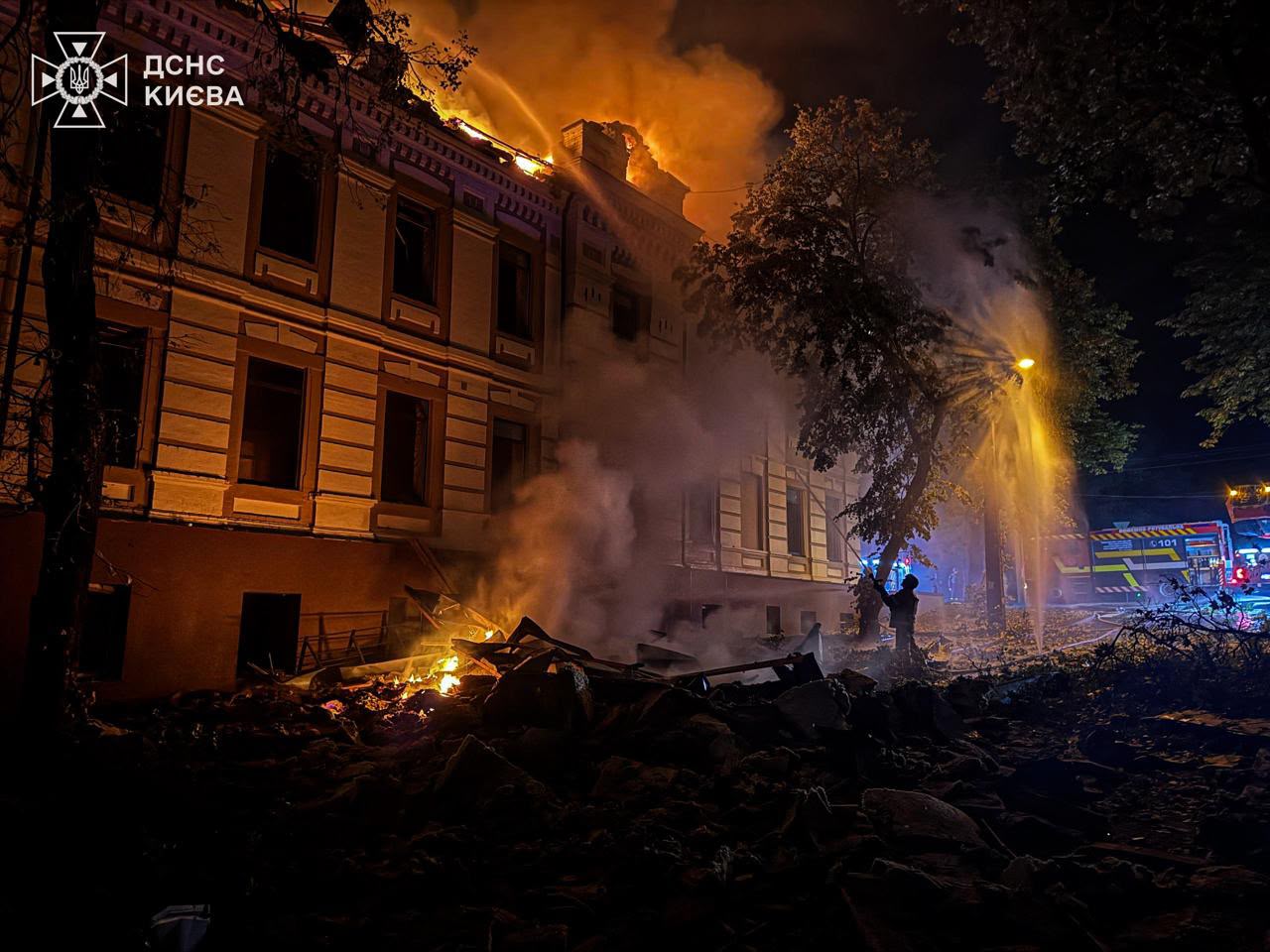
The appeals come amid a sharp uptick in Russian attacks. Zelenskyy reported that over the past week Russia launched about 2,700 attack drones, nearly 1,460 guided aerial bombs, and 165 missiles across 20 Ukrainian regions, with a large share of the missiles being ballistic — including some supplied by North Korea. Overnight strikes on November 22–23 killed at least 14 people in the Kyiv region and one person in the city of Zaporizhzhia.
Mayor Illya Dikov wrote on Facebook that 15 people were injured in Vyshneve, southwest of Kyiv, on Sunday. The acting head of the Zaporizhzhia regional military administration, Mykhailo Semikin, reported that a man was killed overnight in Russian shelling in the city of Zaporizhzhia.
Moscow says it hits cargo ship and power facilities. The Russian claims could not be independently verified.
Pentagon Response and Ukrainian Suspicions
A Pentagon spokesperson told the Financial Times that “the Department of Defense is pursuing several parallel lines of effort to accelerate transatlantic industrial cooperation on Patriot air and missile defense systems with European partners and Ukraine, and continues that work today”, adding there had been no change in policy regarding support for Ukraine. The department declined to answer further questions on the specific missile deliveries.
Ukrainian officials view the Patriot hold alongside recently imposed speed restrictions on Starshield — the Pentagon-funded military satellite communications network — as part of a coordinated effort to weaken Kyiv’s negotiating position. Zelenskyy told Bloomberg in October: “We paid for the weapons. Part of the deliveries were approved, and the rest were not. And this is not a technical issue”.
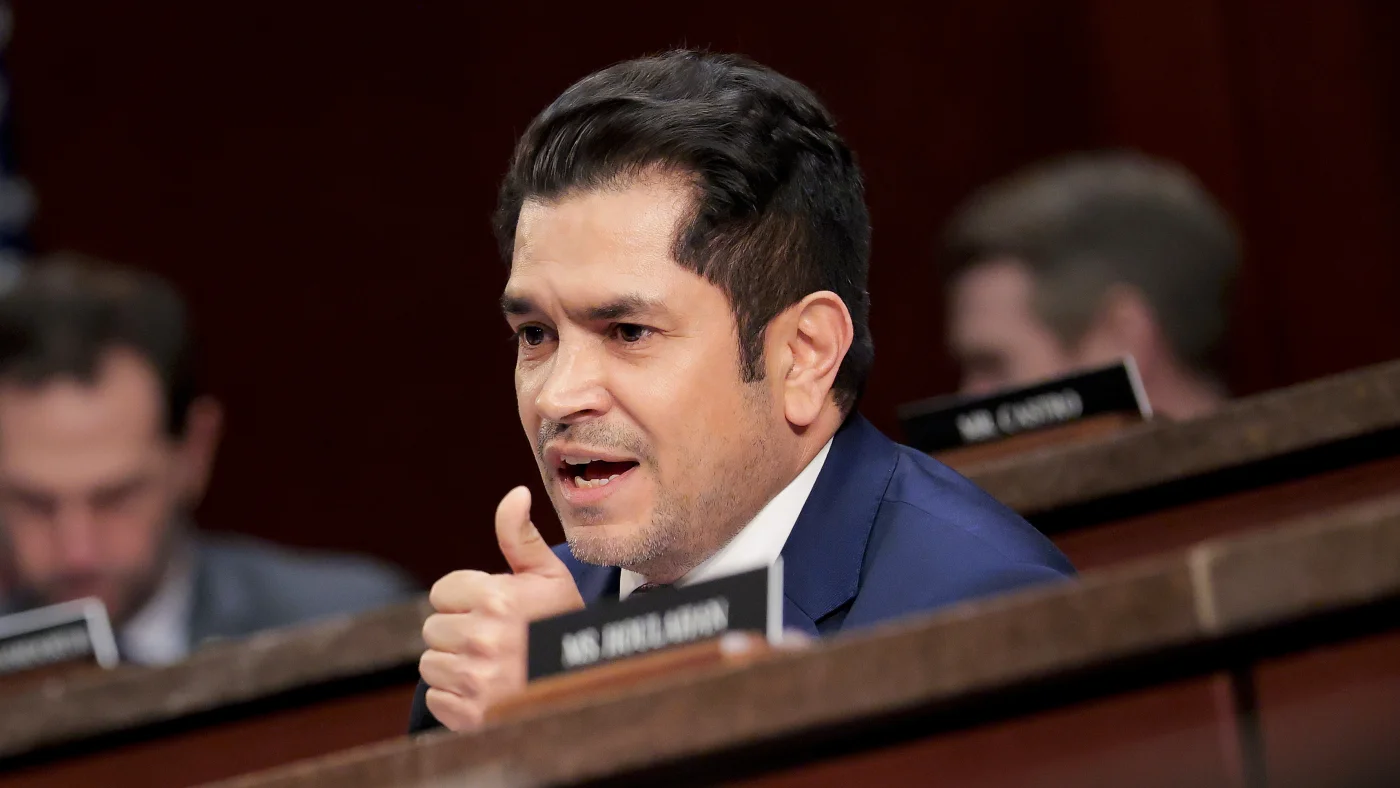
Kyiv worries Washington is using the aid as pressure for a fast settlement before Democrats take control of Congress in January. House Democratic leader Hakeem Jeffries has repeatedly vowed to “run Pete Hegseth out of town” when the fresh congressional term begins in the new year. The Daily Beast has contacted the Pentagon for comment on this story.
Longer-Term Sale Still Years Away
The State Department approved a potential $2.1 billion sale of 500 PAC-3 interceptors and related equipment to Ukraine on October 30, with funding from international partners. However, deliveries under that arrangement might not begin for several years, leaving the immediate gap unaddressed.
European partners continue seeking ways to accelerate transfers, but the authorization requirement remains a U.S. decision. As of November 24, Hegseth’s signature on the 60 allocated interceptors is still outstanding.
Earlier coverage: Zelenskyy Urges US to Release Patriot Missiles Paid by Allies