Connecticut Republicans are facing a cold, hard morning after a Tuesday that saw the party suffer what former gubernatorial candidate Timothy M. Herbst describes as a political slaughter.
In a blunt assessment, Herbst argues that the party’s losses were not merely a byproduct of a national Democratic wave, but a failure of organization and strategy that demands an immediate, honest reckoning.
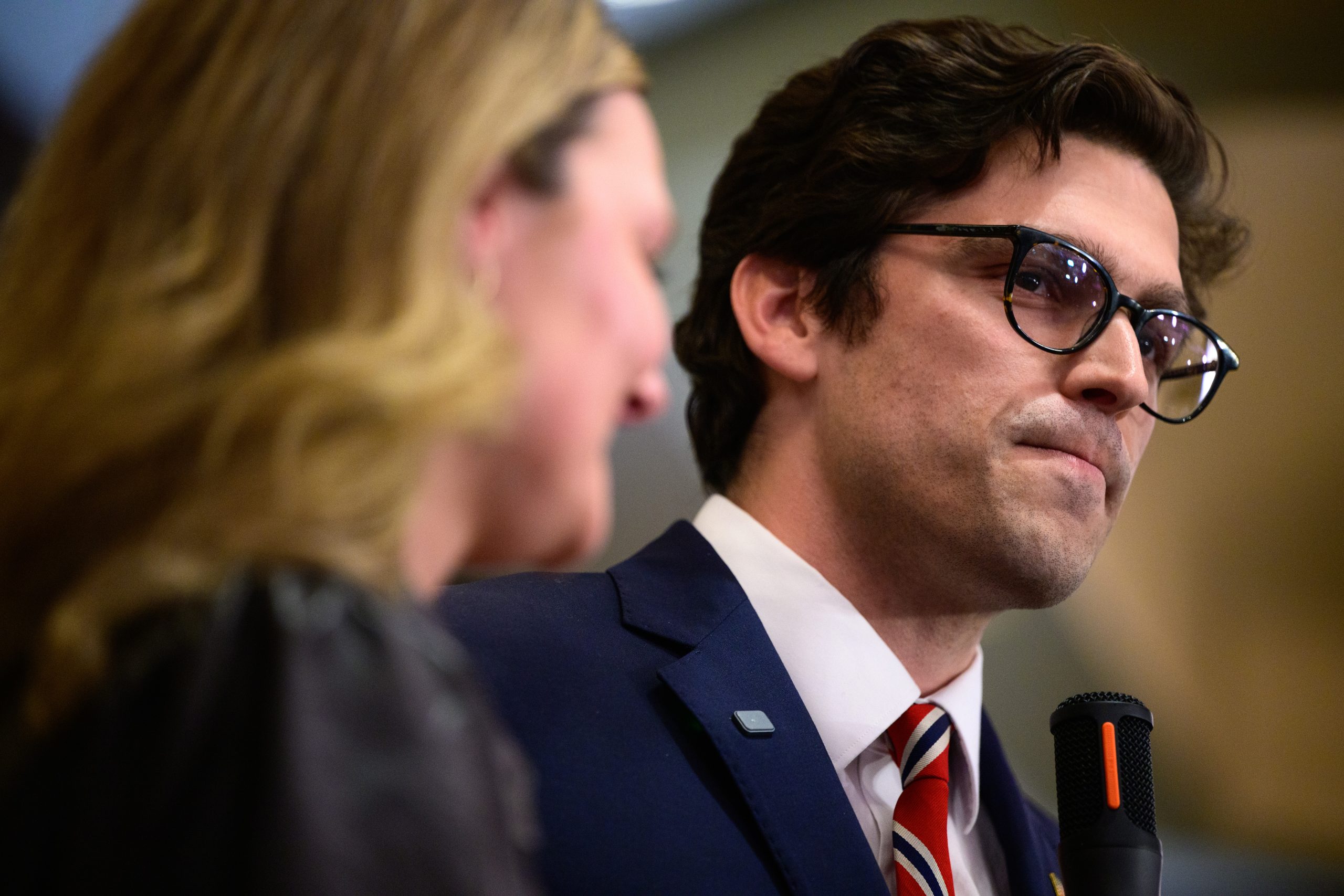
Herbst, who served as the First Selectman of Trumbull from 2009 to 2017, acknowledges the efforts of Ryan Fazio, who stepped forward to run for office in a climate he characterizes as deeply unfavorable. While Herbst praises Fazio’s work ethic and commitment to fiscal responsibility, he contends that honoring a candidate’s effort cannot mask the reality of the results.
The central frustration, he writes, is a widening chasm between the issues Connecticut voters identify as their primary burdens—taxes, the cost of living, and high utility bills—and their decision to keep the party in power that has held the governorship and both legislative chambers since 2011.
The Cost of Local Disconnects
The argument laid out by Herbst suggests that state-level policy, not national headwinds, should have been the primary driver of the election.
He points to the public benefits charge on electric bills, the state’s tax structure, and the erosion of local zoning control as issues that fall squarely at the feet of Gov. Ned Lamont and the Democratic majority in Hartford. According to Herbst, these are not hypothetical problems; they are concrete policy outcomes that have persisted through 16 years of Democratic control.
The stakes for the state’s residents are high. As legislative majorities remain firmly in Democratic hands, Herbst warns that the progressive wing of the party may interpret the victory as a mandate for more aggressive policy shifts. He specifically points to the potential for renewed debates over taxes on investment income and further state-level involvement in local school districts.
Internal Friction and the Path Forward
Beyond policy, the column identifies a structural rot within the Republican Party itself. Herbst argues that the party operates in disconnected silos, where town committees and the Republican State Central Committee often fail to align with elected officials.
He describes a culture of infighting that frequently turns into a circular firing squad, noting that while Democrats often suppress internal dissent to secure electoral victories, Connecticut Republicans have historically struggled to put aside personal grievances for the sake of a larger, unified mission.
The Republican Party needs rebuilding from the bottom up. It starts with our Republican Town Committees and the members representing each district on the Republican State Central Committee. Many have served faithfully for years, even decades, and deserve appreciation. But 20 years in the same position should not be mistaken for 20 years of progress.
The next cycle presents a distinct set of challenges. Herbst notes that while the influence of Donald Trump will persist, he will not be a presidential candidate in 2028. This presents a tactical window for the party to pivot toward a coalition-based approach that courts independents and moderate Democrats who feel alienated by the current status quo.
To achieve this, Herbst insists that the party must move beyond ideological purity tests and focus on the practical, kitchen-table economics that define the daily lives of Connecticut families.
The ultimate test for the party, according to the former candidate, is whether its members are willing to prioritize the institution over individual egos. He concludes that if the party is unwilling to clean house and recruit a new generation of leadership, it forfeits its right to ask the electorate for trust.
As the dust settles on the recent election, the question remains whether the Republican Party will choose to evolve or simply wait for the next cycle, hoping for a different outcome while maintaining the same internal structure.