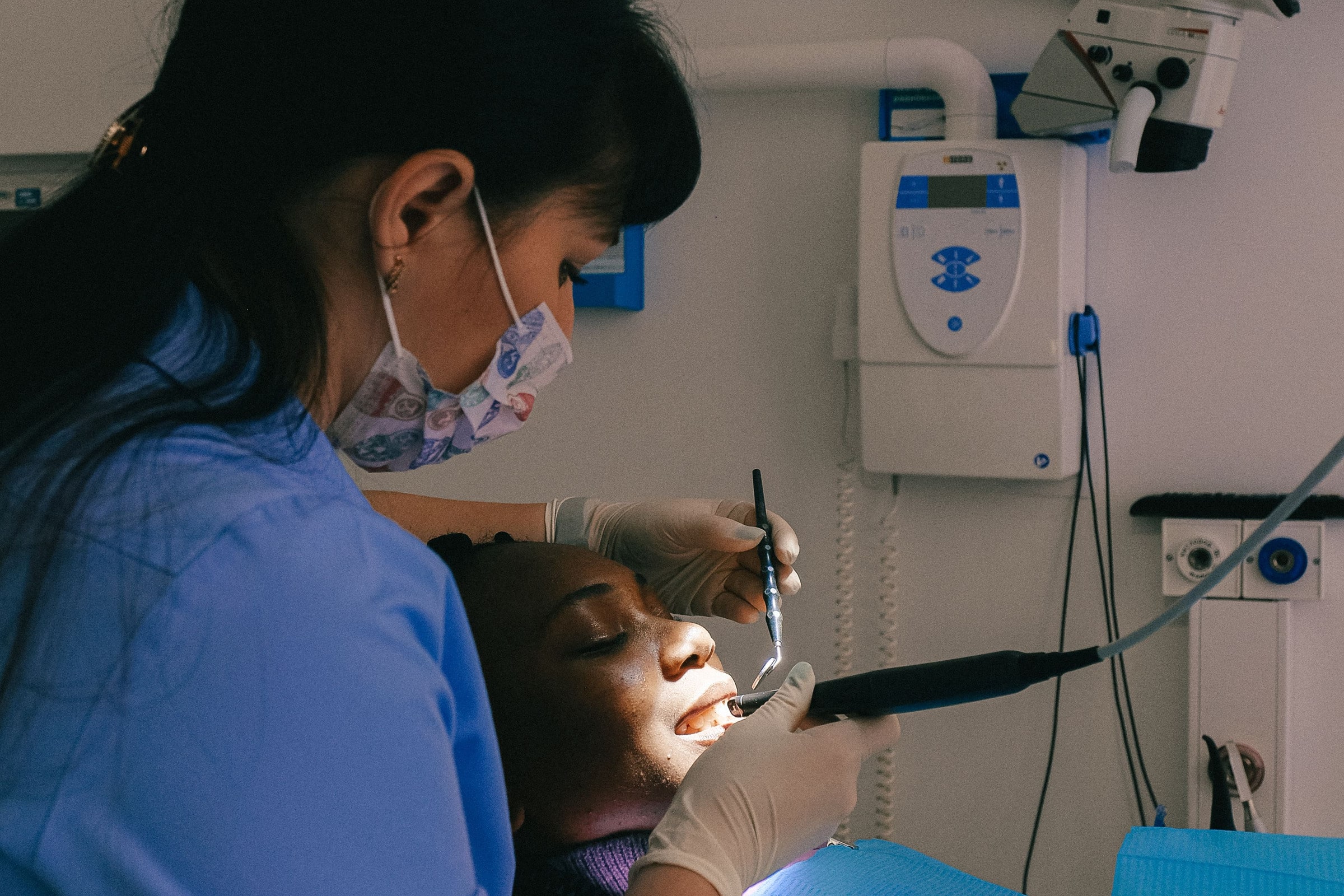
In a recent clinical overview, Dr. Sheila Soroushian of Inner Smiles Orthodontics details the diagnostic and treatment pathways for patients presenting with open bites in Colorado Springs. An open bite, classified as a type of malocclusion, occurs when the upper and lower front teeth fail to meet even when the back teeth are closed.
According to the Cleveland Clinic’s malocclusion page, this condition extends beyond aesthetic concerns.
Dr. Soroushian, a board-certified orthodontist who completed her residency at Howard University, says the functional consequences can be serious. Patients often struggle to bite through common foods like sandwiches or noodles, and the condition is frequently associated with lisps and accelerated wear on the back teeth.
The approach to treatment depends heavily on the root cause, which Dr. Soroushian divides into two primary categories: habits and jaw growth. Habits such as prolonged thumb or finger sucking, the use of pacifiers past infancy, or forward tongue thrusting during swallowing can prevent front teeth from meeting. In some instances, mouth breathing—often linked to allergies or enlarged tonsils—also contributes to the development of an open bite.
When the issue is skeletal, however, the structure of the jaw itself is the primary driver. Dr. Soroushian observes that in many cases, the back of the upper jaw grows downward too far, propping the front teeth apart. These skeletal open bites are more common in patients with a long face shape and often run in families.
Treatment protocols are tailored to the patient’s age and the specific cause of the malocclusion. For young children, the priority is often the cessation of habits. Dr. Soroushian explains that gentle encouragement or the use of a habit appliance can be effective, and in many cases, the bite may close naturally once the habit is removed.
For teenagers, the treatment typically involves braces or clear aligners. The goal is to align the front teeth while preventing the back teeth from erupting further.
In some instances, elastics or temporary anchorage devices are utilized to provide additional control.
Adult patients present a different set of challenges. While many dental or mild skeletal cases can be corrected with orthodontics—often using aligners that help stabilize the back teeth—severe jaw mismatches may require a more involved approach. In these cases, Dr. Soroushian notes that surgical orthodontics, involving an oral surgeon to reposition the jaw, often provides the most stable result. The Cleveland Clinic explains jaw surgery and recovery.
Because open bites are known for a tendency to relapse, retention is a critical phase of treatment. Dr. Soroushian emphasizes that the tongue is a powerful muscle; if it continues to press forward after the hardware is removed, the gap can reopen.
To prevent this, her practice employs myofunctional exercises to retrain tongue posture and swallowing patterns, alongside the use of retainers and, in some cases, bonded wires.
Treatment duration varies based on the complexity of the case. A young child might use a habit appliance for several months, while teens and adults typically undergo orthodontic treatment for one to two years. Surgical cases require longer timelines due to the need for orthodontic intervention both before and after the operation.
Dr. Soroushian, who holds a biochemistry degree from California State University, Long Beach, and a dental degree from Tufts University, maintains offices in both Colorado Springs and Woodland Park. She offers complimentary consultations to determine the specific cause of an open bite and to outline a recommended treatment plan. Prospective patients can reach the office at (719) 268-7138 or request a consultation online.