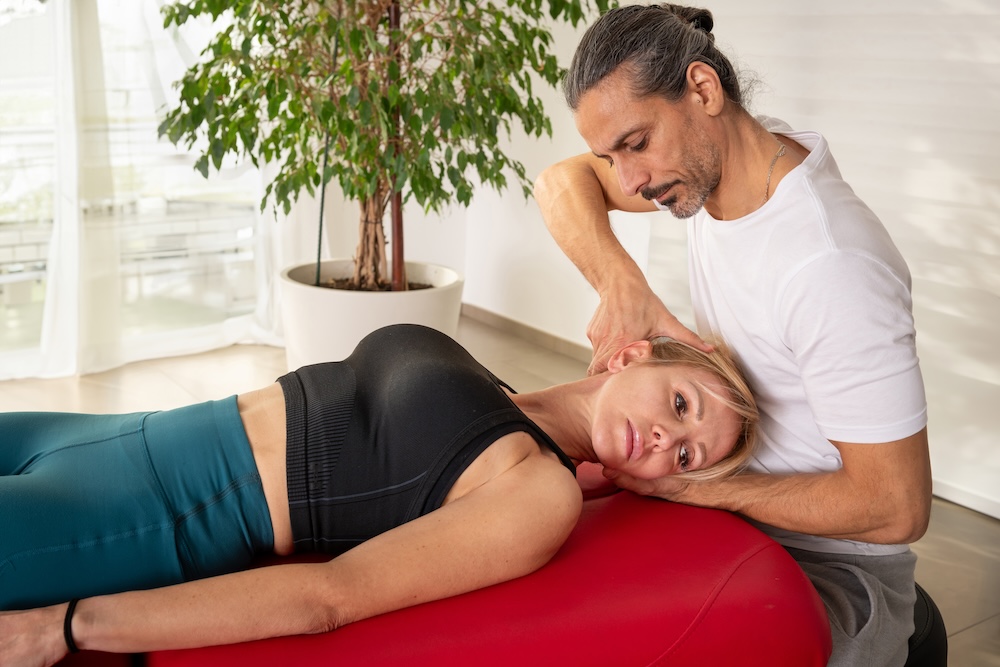
Chronic Neck and Shoulder Pain in Cheyenne
For residents of Cheyenne, the onset of persistent neck and shoulder pain often signals a disruption in daily life that goes beyond simple discomfort. Whether it is the inability to focus at a desk, interrupted sleep, or the loss of mobility needed to enjoy the outdoors in Wyoming, this type of pain carries a significant personal cost. At Hometown Chiropractic in Cheyenne, chronic neck pain—defined as discomfort lasting longer than three months—is a common reason people walk through the door.
The Mechanics of Long-Term Discomfort
Most long-lasting neck and shoulder pain originates from the soft tissues, muscles, and joints of the upper spine rather than a specific, acute injury. Observations made at Hometown Chiropractic reveal that extended periods working at a desk or driving with one’s head protruding forward place significant strain on the muscles located at the base of the skull and the top of the shoulders.
Similarly, the prevalence of “tech neck”—looking down at a phone for long stretches—has become a significant contributor to musculoskeletal stress. Other common triggers include an old whiplash injury from a car accident that never fully settled down, improper sleeping positions like stomach-sleeping, or the physical manifestation of stress in the upper trapezius muscles.
Distinguishing Between Neck and Shoulder Origin
A frequent challenge in diagnosis is determining whether the source of pain is the shoulder itself or the neck. It is common for irritated nerves or joints in the neck to refer pain into the upper arm or shoulder blade. Because a rotator cuff problem and a neck problem call for different care, a comprehensive physical examination is essential to distinguish between the two.
Clinical Guidelines for Multimodal Care
The medical community has shifted toward a combined, non-drug approach for managing persistent neck pain. According to studies featured in the European Spine Journal regarding the 2016 clinical practice guidelines from the Ontario Protocol for Traffic Injury Management (OPTIMa) Collaboration, for cases where pain persists beyond three months, medical professionals might integrate patient education with various interventions, including strengthening and range-of-motion exercises, clinical massage, or a combination of exercise with either spinal mobilization or manipulation. These guidelines are further supported by a 2016 report in the Journal of Manipulative and Physiological Therapeutics, which advocates for a multimodal strategy blending manual therapy, exercise and self-management advice.
The clinical guidance utilized by the team at Hometown Chiropractic notes that “the research supports chiropractic care as part of a combined approach rather than as a stand-alone fix.”
At the Cheyenne clinic, this translates to a treatment plan that pairs spinal manipulation—a quick, controlled movement to restore joint motion—with mobilization, a gentler stretching technique. The goal is to allow surrounding muscles to relax by restoring normal joint function. Ryan Walton is a 2010 graduate of Logan College of Chiropractic with a master’s in sports science and rehabilitation, and the clinic offers deep tissue medical massage with Austin Bailey, who has practiced since 2012.
Practical Adjustments for Daily Life
Managing chronic pain often requires small, consistent changes between office visits. Ergonomic adjustments, such as raising a computer monitor to eye level and taking movement breaks every 30 to 60 minutes, can significantly reduce strain. Patients are also encouraged to transition to side or back sleeping and to perform simple exercises like chin tucks and shoulder blade squeezes to retrain the muscles supporting the head.
When to Seek Emergency Medical Evaluation
While many cases of neck and shoulder pain respond well to conservative care, certain symptoms necessitate immediate medical attention. These include pain resulting from a serious fall or car accident, sudden severe headaches, fever accompanied by a stiff neck, or neurological symptoms such as numbness or weakness in the arms. Any left shoulder or arm pain associated with chest pressure or shortness of breath requires emergency care, as these can be indicators of a heart attack.
Hometown Chiropractic continues to offer free consultations for new patients, providing a pathway for those struggling with stubborn, long-term discomfort to assess the underlying causes of their pain and develop a personalized plan for recovery.


