At the Jacksonville Zoo and Botanical Gardens, the living collections rooted in the soil require just as much daily attention as the animals roaming the habitats. While visitors often treat the flora as a scenic frame for wildlife, a dedicated horticulture team maintains thousands of plants across the grounds year-round.
That year-round operation was detailed by Curtis Dvorak, the zoo’s official Wildlife Wanderer, in a report published by WJXT News4JAX. The institution officially rebranded last year to emphasize its botanical holdings, formally changing its name from the Jacksonville Zoo and Gardens to the Jacksonville Zoo and Botanical Gardens.
Botanical Layouts and Behind-the-Scenes Maintenance
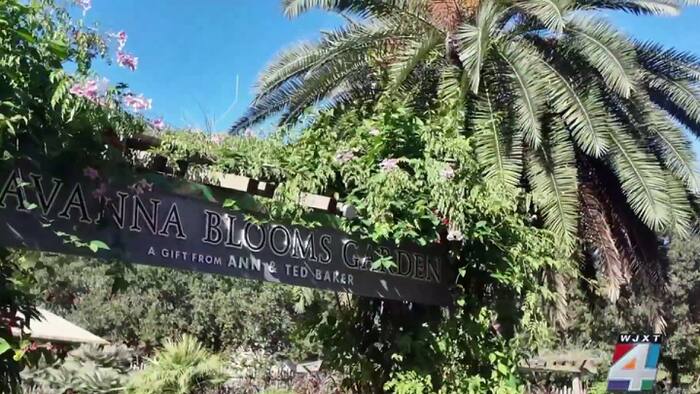
The botanical spaces span from the main entrance throughout the pathways connecting animal enclosures. Designated horticultural zones include Savannah Blooms, Trout River Garden, and the Asian gardens. A connecting corridor known as the River of Color links separate sections of the property.
The horticulture crew tends thousands of individual specimens, balancing rare varieties with plants chosen specifically to mimic natural wild ecosystems. Staff manage greenhouses to prepare new plants for the grounds and give visitors a look at cultivation methods. Daily routines involve hands-on upkeep, including clearing fallen leaves from walkways each morning before gates open to the public.
Visitors frequently photograph the plantings for home landscaping ideas. The horticulture team integrates plant science into children's zoo camps, teaching young participants about botany alongside zoology.
Transitioning From Spooktacular to ZOOLights
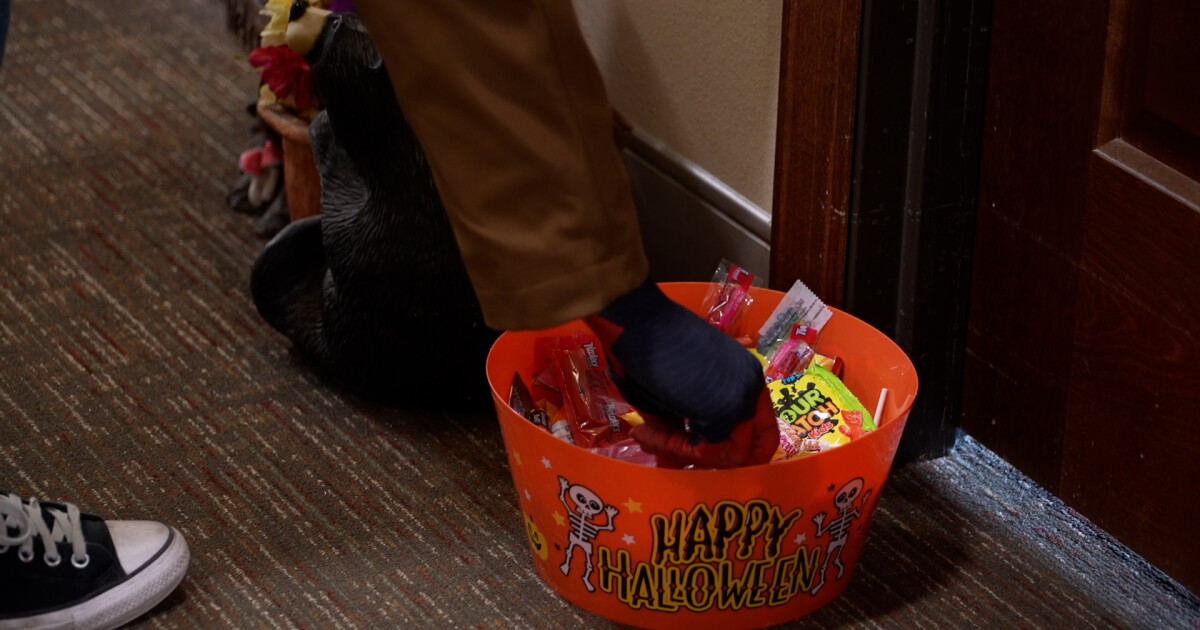
Seasonal community programming introduces logistical hurdles for the grounds crew. During the autumn Spooktacular event, holiday lights and decorations are integrated throughout the pathways, often installed after regular operating hours.
Staff coordinate closely with an outside installation contractor to minimize stress and physical damage to the living plants. The operational schedule leaves virtually no downtime between major events.
“November 1st, the company we hired is now going to transform this and change over to ZOOLights,” Dvorak told News4JAX.
Revenue generated from these seasonal events directly underwrites animal care, education programs, and wildlife conservation initiatives at the nonprofit facility. Those conservation efforts include the rehabilitation of rescued wildlife.
During the recent interview, four manatees occupied the final stages of the facility’s rehabilitation program, building up necessary body fat before their eventual release back into native Florida waters. The zoo reported welcoming approximately 880,000 visitors during the fiscal year that ended October 1, moving closer to its long-term attendance goal of 1 million annual guests.