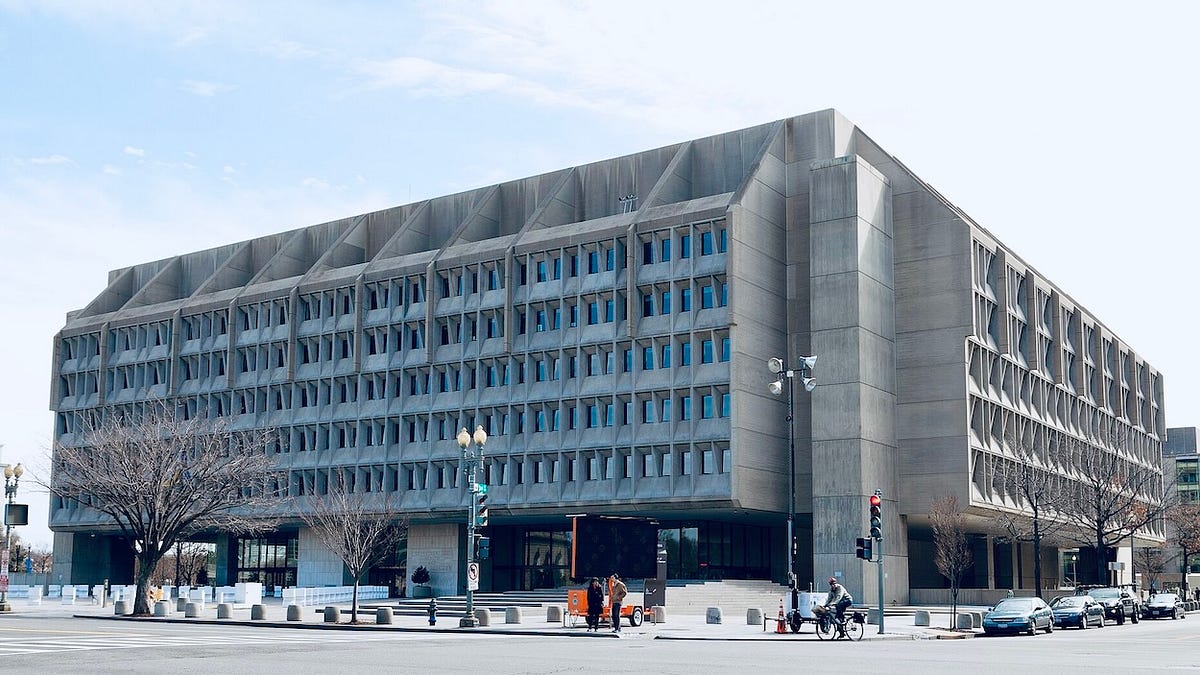
Survivors deserve access to safety and support without unnecessary barriers, yet these harmful restrictions imposed by the Department of Health and Human Services threaten that fundamental principle.
That warning, delivered by Rhode Island Coalition Against Domestic Violence Executive Director Lucy Rios, sits at the heart of a broad legal challenge. A nationwide coalition of nonprofit groups, domestic violence and sexual assault coalitions, and a county safety net hospital filed a lawsuit to block sweeping new federal grant restrictions.
The Trump-Vance administration is attempting to enforce ideological conditions on HHS awards that force hundreds of organizations to choose between accepting unlawful terms or abandoning vital funding. These mandates prohibit recipients from supporting transgender individuals, implementing diversity and inclusion practices aimed at racial disparities, and utilizing proven Housing First strategies. Because HHS operates as the largest grantmaking federal agency—awarding billions annually, including more than $81 billion in discretionary awards alone in 2026—the ripple effects touch children, youth, families, and vulnerable populations nationwide.
A Familiar Legal Fight Over Ideological Conditions
This courtroom confrontation follows a similar federal battle earlier in the year. A federal court previously blocked similar unlawful conditions that HHS attempted to attach to grants in a lawsuit brought by a coalition of housing, youth, homelessness, and domestic violence organizations.
Despite that judicial roadblock, the administration is once again demanding that nonprofit groups align with policy directives drawn from a series of executive orders. Legal advocates argue these mandates remain impossibly vague, sit in direct conflict with federal and state laws, and expose human service providers to arbitrary enforcement.
The case is RICCF v. Kennedy. Democracy Forward’s legal team, featuring Aleshadaye Getachew, Anna Deffebach, Joel McElvain, and Robin Thurston, filed the action alongside Amy Romero and Juan Bedoya for the Lawyers’ Committee for Rhode Island, and Lynette Labinger as cooperating counsel for the ACLU Foundation of Rhode Island.
Local Providers Face an Impossible Choice
For organizations providing on-the-ground support, the administrative overreach creates an immediate operational crisis. Providers must choose between betraying their legal obligations and client missions or losing the federal resources keeping their doors open.
By targeting inclusive services, efforts to address racial disparities, and proven approaches to supporting survivors of abuse, these conditions would disproportionately harm Black and Brown communities, immigrants, undocumented individuals, LGBTQIA+ people, and other vulnerable communities who already face significant barriers to safety and support, said Lucy Rios. Lucy Rios
Other coalition leaders echo those concerns. Tanja Kubas-Meyer, Executive Director of the Rhode Island Coalition for Children and Families, emphasized that federal dollars should meet community needs rather than enforce ideological tests. Benedict Lessing, Jr., President/CEO of Community Care Alliance, called the conditions unlawful, immoral, and contrary to decades of agency mission.
Chief Legal Counsel Amy Romero of the Lawyers’ Committee for Rhode Island noted that courageous nonprofits are once again stepping up to challenge federal overreach. Meanwhile, ACLU of Rhode Island Executive Director Steven Brown pointed out that the broad restrictions put applicants between a rock and a hard place by threatening community survival.



